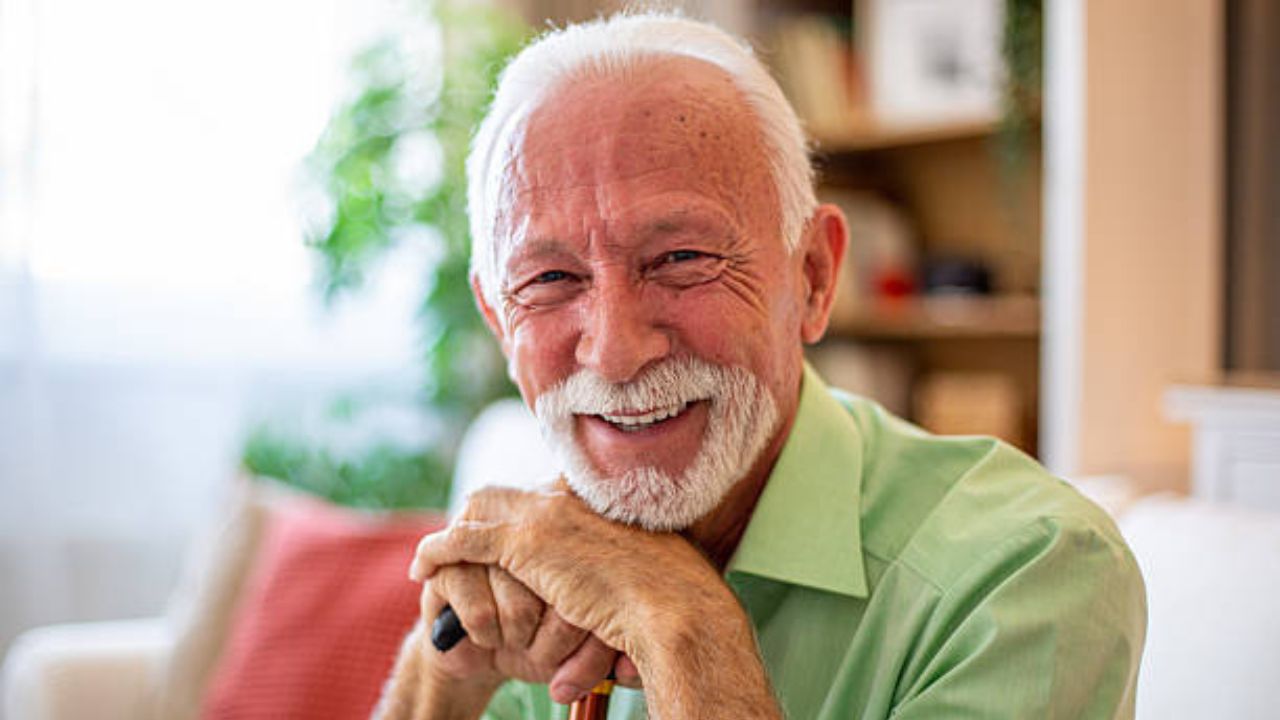
Imagine waking up in the morning to a quiet house. Nobody is rushing you, nobody is telling you what to do, and nobody is expecting you to follow a particular routine. You can make your breakfast, enjoy your coffee, read a book, or simply sit in silence without having to explain yourself to anyone.
For many older men, this kind of lifestyle sounds lonely. Society often treats living alone after 60 or 70 as a sign of sadness, isolation, or declining health. But there is another side to the story that people rarely discuss.
Living alone doesn’t automatically mean being unhappy or disconnected from the world. In fact, having your own space can bring a surprising amount of freedom, independence, and personal satisfaction. It can also give you an opportunity to rediscover interests that may have been pushed aside for decades.
After spending most of your adult life working, raising children, maintaining relationships, and meeting other people’s expectations, having time for yourself can feel like a fresh beginning. Here are six surprising benefits of living alone after 60 or 70 that every older man should understand.
1. You Finally Get to Enjoy Freedom and Independence
One of the greatest benefits of living alone in your later years is the freedom to make your own decisions. After decades of responsibilities, family commitments, and shared routines, having complete control over your daily life can feel incredibly refreshing.
Think about all the little decisions you make throughout the day. When you live with someone, even simple things like deciding what to eat, when to wake up, or how to arrange your living room may require compromise. These things aren’t necessarily bad, but they can sometimes make you feel as though you have very little control over your own environment.
Living alone changes that experience completely. You can wake up at 5 a.m. if you’re an early riser or sleep until 10 a.m. if that’s what makes you happy. You can prepare whatever meal you enjoy, watch your favorite television programs, and decorate your home according to your personal taste.
You no longer have to explain every little choice or worry about whether someone else approves of your routine. Your home becomes a place where you can relax and live comfortably without constantly adjusting to another person’s preferences.
This independence can also have a positive effect on your emotional well-being. Having control over everyday decisions can help you feel more confident, reduce unnecessary stress, and give you a stronger sense of purpose.
Of course, independence doesn’t mean refusing help when you need it. It simply means having the freedom to make choices about your own life while knowing that you can still reach out to others when necessary.
For older men who have spent most of their lives putting other people’s needs first, this freedom can become one of the most rewarding parts of growing older.
2. You Have More Time to Rediscover Yourself and Enjoy Old Hobbies
There is a good chance that you once had interests and hobbies that made you genuinely happy. Perhaps you enjoyed painting, playing musical instruments, repairing cars, reading history books, gardening, or traveling to unfamiliar places.
Unfortunately, life has a way of pushing these interests aside. Between building a career, paying bills, raising children, and taking care of family responsibilities, many men gradually stop doing the things they once enjoyed.
Before they realize it, decades have passed, and those old passions have become distant memories.
Living alone after 60 or 70 can give you the opportunity to bring some of those interests back into your life. Without constantly working around someone else’s schedule, you have more room to explore activities that make you feel excited about your day.
Consider the story of the man in his 70s mentioned in the original discussion. He decided to learn how to play the guitar despite never having played an instrument before. Within two years, he had become confident enough to perform at small community gatherings.
Another man finally started traveling to places he had dreamed of visiting since childhood. These examples show that personal growth doesn’t have an expiration date.
You don’t have to become an expert or turn your hobby into something impressive. Sometimes, the simple pleasure of learning something new is enough to make life more interesting.

You might discover that you enjoy cooking, photography, woodworking, writing, or even learning a new language. You could also join a local club where people share similar interests.
The important thing is to stop assuming that your most exciting experiences are already behind you. Growing older doesn’t mean you have to stop discovering new things about yourself.
YOU MAY LIKE



Living alone can give you the time and space to reconnect with the person you were before life’s responsibilities took over. More importantly, it allows you to discover the person you still have the opportunity to become.
3. Living Independently Can Encourage Better Health Habits
Many people automatically associate living alone in old age with poor health. While loneliness and social isolation can create genuine health concerns, living independently can also encourage habits that support physical and mental well-being.
One reason is that you become more responsible for your daily activities. You have to prepare your meals, clean your home, organize your belongings, and take care of everyday tasks without depending on another person to do everything for you.
These ordinary responsibilities can help you remain physically active. Walking around the house, watering plants, preparing food, sweeping the floor, and visiting the nearby store all involve movement.
Although these activities may seem insignificant, they can help prevent you from spending the entire day sitting in one place. Staying active is particularly important as you get older because maintaining mobility makes everyday life easier.
Living alone can also encourage you to become more conscious of what you eat. Instead of automatically following someone else’s eating habits, you can decide what meals work best for your needs and preferences.
You can prepare fresh meals, control your portions, and avoid buying foods that you don’t particularly enjoy. However, maintaining a healthy diet still requires discipline because nobody is around to remind you to eat properly.
There is also a mental benefit to managing your own household. Planning meals, remembering appointments, organizing expenses, and solving everyday problems give your brain opportunities to stay engaged.
These activities involve decision-making, memory, and problem-solving, which are important parts of maintaining cognitive health as you age.
Of course, living alone doesn’t automatically make someone healthier. Older adults still need regular medical checkups, proper nutrition, physical activity, and meaningful social connections.
The real advantage is that independent living can encourage you to take a more active role in looking after yourself. Instead of allowing age to determine everything you do, you remain involved in the daily decisions that affect your well-being.
4. Solitude Can Make You Mentally Stronger and Emotionally Wiser
This is perhaps one of the most overlooked benefits of living alone after 60 or 70. Learning to enjoy your own company can help you develop a stronger relationship with yourself.
At first, silence may feel uncomfortable. When you are used to having people around, suddenly spending several hours alone can make your home feel unusually quiet. You might find yourself thinking about old memories, missed opportunities, personal regrets, or things you wish you had done differently.
But something interesting happens when you gradually become comfortable with that silence. Instead of constantly looking for distractions, you begin to appreciate having time to think.
You can reflect on your experiences, understand your emotions, and consider what you genuinely want from the years ahead. These moments of reflection can help you develop a clearer understanding of yourself.

Living alone can also teach you an important lesson about emotional independence. You begin to understand that your happiness doesn’t have to depend entirely on other people’s attention, approval, or company.
This doesn’t mean you should stop caring about relationships. Human connection remains important at every age, but there is a difference between enjoying someone’s company and feeling unable to function without it.
When you become comfortable spending time alone, you may find yourself less worried about what other people think. You become more willing to make decisions based on your values rather than constantly seeking validation.
Throughout history, many philosophers, writers, and inventors have valued periods of solitude because quiet environments gave them room to think, reflect, and develop new ideas.
Their experiences remind us that being alone doesn’t always mean being unhappy. Sometimes, stepping away from constant noise and distractions helps you understand yourself more deeply.
For an older man, this emotional growth can be especially meaningful. After experiencing decades of responsibilities, disappointments, relationships, and personal challenges, solitude can provide the space to process those experiences and appreciate how far he has come.
You may discover that you are more comfortable with yourself than you ever imagined.
5. You Gain More Control Over Your Time and Relationships
Time becomes increasingly valuable as you grow older. After spending decades following work schedules, family routines, and other people’s expectations, having control over your own time can feel like a wonderful gift.
When you live alone, you don’t have to organize every part of your day around someone else’s schedule. You can decide when to wake up, when to rest, what activities to enjoy, and how to spend your weekends.
Want to take a short trip? You can start making plans without worrying about coordinating every detail with someone else. Want to spend an entire afternoon reading your favorite book? You can do that without feeling guilty about ignoring other responsibilities.
This freedom can make ordinary days feel more enjoyable because you have more opportunities to do things that genuinely interest you.
But the benefits go beyond managing your schedule. Living alone can also change the way you approach relationships.
When you share a home with someone, you may sometimes spend time together simply because you live in the same space. Your social interactions can become part of your daily routine rather than something you consciously choose.
Living alone gives you more control over the people you spend time with. You can arrange visits with friends whose company you genuinely enjoy, reconnect with old acquaintances, or participate in community activities.
You can also decide whether you want to pursue a romantic relationship. Some older men may enjoy dating and companionship, while others may prefer to remain single and focus on their personal interests.
Neither choice is wrong. The important thing is having the freedom to decide what makes you happy rather than feeling pressured to follow society’s expectations.
You can also enjoy more meaningful time with your grandchildren. You might invite them over for lunch, take them somewhere interesting, or simply spend an afternoon listening to their stories without worrying about disagreements over household routines.

Living alone doesn’t mean abandoning relationships. It means having greater control over how you maintain them.
There is a big difference between being isolated from people and choosing when, where, and how you socialize. One can leave you feeling disconnected, while the other can give you a healthier sense of balance and independence.
6. You Can Finally Live Life on Your Own Terms
Perhaps the most meaningful benefit of living alone after 60 or 70 is the opportunity to build a lifestyle around what truly matters to you.
For much of your adult life, your decisions may have been influenced by responsibilities. You worked to provide for your family, made sacrifices for your children, maintained relationships, and followed routines that left very little room for personal freedom.
Those responsibilities may have been important, but they could also have prevented you from exploring certain parts of yourself.
As you enter your later years, you have an opportunity to approach life differently. You can decide what deserves your attention, which activities bring you happiness, and which relationships genuinely add value to your life.
You don’t have to spend every day trying to impress people or meet expectations that no longer fit your circumstances. You can focus on creating a comfortable home, maintaining your health, enjoying your hobbies, and spending time with people who make you feel appreciated.
For some men, this might mean traveling more often. For others, it could mean spending quiet mornings in the garden, reading interesting books, or learning a skill they never had time to explore.
EDITORS' RECOMMENDATIONS



The beauty of independent living is that there isn’t one correct way to enjoy it. Your version of a fulfilling life can look completely different from someone else’s.
However, living on your own terms doesn’t mean ignoring the importance of support and companionship. Staying connected with family, maintaining friendships, and asking for help when necessary remain essential parts of enjoying a healthy and fulfilling life.
You can be independent without shutting everyone out. You can appreciate solitude while still making room for love, friendship, and meaningful experiences.
Ultimately, the goal isn’t simply to live alone. It is to create a life that feels peaceful, satisfying, and genuinely yours.
Conclusion
Society often tells older men that living alone is a sign of loneliness or the beginning of decline. But solitude can also bring freedom, independence, personal rediscovery, healthier routines, emotional strength, and more control over your time.
Living alone after 60 or 70 doesn’t have to mean giving up on life. It can be an opportunity to rediscover forgotten passions, build meaningful relationships, and enjoy experiences that may have been pushed aside for years.
As you enter this stage of life, ask yourself an important question. Are you afraid of living alone, or are you afraid of discovering just how much freedom and happiness you can find when you finally learn to enjoy your own company? Your later years don’t have to be about surviving. They can be about finally living life on your own terms.