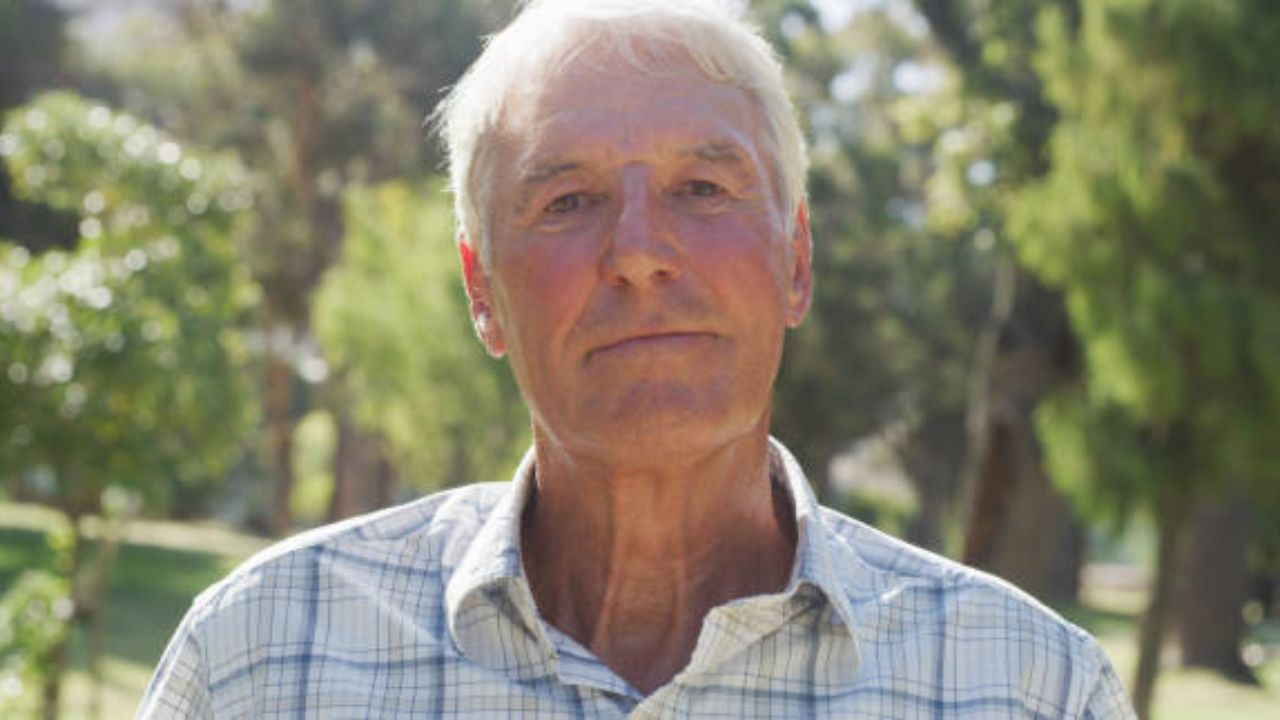
Getting older has a way of changing how you look at life. Things that once seemed important slowly lose their appeal, while the simple moments you barely noticed when you were younger start to mean so much more.
When you’re 65, you may still feel that you have plenty of time to accomplish your goals, enjoy retirement, strengthen relationships, and experience everything you’ve been putting off. But as the years pass, you begin to understand that time, energy, and good health are not things you can take for granted.
If I could go back to 65 with everything I know today, there are seven things I would remove from my life without hesitation. I wouldn’t wait until I was 75 or 80 to understand their importance because some lessons are much easier to apply when you still have the strength and freedom to enjoy the results.
The interesting thing is that none of these changes requires a complicated retirement plan or a fortune in the bank. They involve ordinary habits, relationships, and attitudes that can quietly steal your happiness if you allow them to remain part of your daily life.
Here are seven things I would ruthlessly cut out if I could start again at 65.
1. Stop Maintaining Relationships That Bring Nothing but Stress
One of the biggest lessons you learn as you get older is that having many people around you doesn’t necessarily mean you have meaningful relationships. You can have hundreds of contacts in your phone, attend countless social gatherings, and still have nobody you can genuinely depend on when life becomes difficult.
When you’re younger, it’s easy to believe that a large social circle means you’re doing something right. You spend time keeping in touch with former classmates, coworkers, neighbors, business contacts, and people you once knew, even when those relationships no longer add anything meaningful to your life.
But eventually, you begin to understand that knowing somebody’s name is very different from knowing their heart. The people who genuinely care about you are the ones who will make time for you when you’re sick, listen when you’re struggling, and stay beside you when life isn’t going particularly well.
Imagine spending decades attending everyone’s birthday parties, weddings, dinners, and family gatherings, only to discover that very few people show up when you need them most. That’s a painful realization, but it can also teach you something valuable about friendship.
As you approach retirement and move into your later years, don’t feel obligated to maintain every relationship simply because you’ve known someone for a long time. Some people belong to an earlier chapter of your life, and there’s nothing wrong with allowing those connections to fade naturally.
Instead, pay attention to the people who make you feel respected, understood, comfortable, and loved. Whether you have five close friends, two trusted companions, or just one person who genuinely cares, those relationships are worth protecting.
It’s also important to understand that being alone isn’t necessarily the same as being lonely. Sometimes spending time by yourself gives you the peace and freedom to enjoy your own thoughts without constantly worrying about pleasing everyone around you.
2. Stop Saving Every Penny While Postponing Your Happiness
Being financially responsible is important, especially when you’re retired and no longer receiving a regular paycheck. However, there’s a difference between protecting your savings and spending the rest of your life refusing to enjoy the money you’ve worked so hard to earn.
Many people spend decades telling themselves they’ll travel someday, visit a beautiful place someday, buy something they’ve always wanted someday, or finally enjoy their retirement when they have enough money. Unfortunately, that perfect moment doesn’t always arrive when they expect it to.
Your health can change, your spouse may become ill, and the energy you once had for traveling or exploring new places may gradually disappear. You could end up with a healthy bank balance but very few opportunities to enjoy the experiences you spent years postponing.
That’s why retirement should involve more than simply watching your savings grow. If you’ve worked hard, planned responsibly, and have enough financial security, it’s reasonable to use some of your money to create memories and enjoy the life you’ve built.
Take that trip if your health allows it. Invite your children or grandchildren to dinner, learn a hobby you’ve always wanted to try, buy that comfortable chair, or spend an afternoon somewhere beautiful watching the sunset.
Money is useful when it supports the life you want to live. But money sitting untouched in a bank account cannot take a walk with your spouse, hug your grandchildren, or create memories with the people you love.

At the same time, don’t confuse enjoying retirement with taking unnecessary financial risks. Older people can become attractive targets for individuals promising unrealistic investment returns, especially when they are worried about running out of money.
Protect your savings, take your time before making financial decisions, and never allow anyone to pressure you into an investment you don’t fully understand. You don’t need to become wealthy at 70, but you do need enough financial security to sleep peacefully and enjoy the years ahead.
YOU MAY LIKE



3. Stop Eating Whatever Is Convenient Instead of Taking Care of Your Body
Food becomes even more important as you get older, but it’s surprisingly easy to neglect your eating habits once you retire. When you’re tired, living alone, or simply don’t feel like cooking, grabbing something quick from the freezer or ordering takeout can become your everyday routine.
The problem is that your body doesn’t always respond to food the way it did when you were younger. A heavy meal late at night might leave you feeling sluggish the following morning, while too much sugar or several days of processed food can affect your energy and how you feel throughout the day.
I remember a time when I started treating meals as something I simply needed to get through rather than an opportunity to nourish my body. I would grab a frozen dinner, eat a quick snack instead of preparing a proper meal, and convince myself that it didn’t matter because I was already getting old.
Looking back, that was the wrong attitude. Getting older is precisely when you should pay more attention to what you eat because your body needs proper nourishment to maintain strength, energy, and independence.
Fortunately, eating better doesn’t mean spending hours in the kitchen or buying expensive ingredients. You can keep things simple with vegetables, eggs, fish, chicken, beans, tofu, and other foods that provide useful nutrients, including protein.
It’s also worth paying attention to portion sizes and how you feel after eating. You don’t have to finish everything on your plate or continue eating simply because there’s still food in front of you.
Small changes like drinking enough water, preparing simple home-cooked meals, and reducing your dependence on heavily processed foods can make your daily routine much healthier. You don’t need to become obsessed with dieting, but you should stop treating your body as if it has unlimited patience.
Remember that muscle strength, balance, mobility, and energy become increasingly valuable as the years pass. Taking care of your body through everyday food choices is one way to give yourself a better chance of enjoying the activities and experiences that make retirement worthwhile.
4. Stop Giving Unsolicited Advice and Learn to Listen More
One thing that can quietly damage relationships with adult children and grandchildren is the habit of constantly telling them how they should live. Many older people have decades of experience and genuinely want to protect their loved ones from making painful mistakes, but good intentions don’t always produce good results.
When you’ve lived through different stages of life, it’s natural to believe you know what works and what doesn’t. You remember your mistakes, the lessons you learned, and the decisions that helped you get through difficult situations, so sharing that knowledge feels like the right thing to do.
However, there’s a difference between offering wisdom and trying to control somebody else’s decisions. Advice that nobody requested can sometimes feel like criticism, pressure, or a lecture, even when it comes from someone who genuinely cares.
Think about the last time you spoke with your children or grandchildren. Did you spend most of the conversation telling them what they should do, or did you give them enough room to explain what they were thinking and feeling?
Sometimes, older people become so focused on sharing their experiences that they forget to listen. They correct every little decision, compare younger generations with how things were in the past, and offer opinions even when nobody has asked for them.
A better approach is to start asking questions instead of immediately giving instructions. Ask your grandchildren what they’re interested in, what they’re working toward, or how they feel about something before deciding that you already know the answer.
You might be surprised by how much more openly people communicate when they don’t feel judged. When your family realizes that they can talk to you without receiving another lecture, they’ll often become more comfortable sharing their thoughts and experiences.
Your years of experience are valuable, and there’s nothing wrong with sharing what life has taught you. Just remember that wisdom isn’t only about knowing what to say; it’s also about recognizing when silence and encouragement can accomplish much more than criticism.

5. Stop Spending Most of Your Retirement Sitting in a Chair
Retirement gives you something many working people spend years dreaming about: freedom from daily schedules, long commutes, demanding jobs, and constant responsibilities. But that freedom can quietly introduce a habit that becomes harmful over time, spending too many hours sitting down.
When you’re working, movement happens naturally throughout the day. You walk to meetings, climb stairs, carry things, visit different places, and move around without thinking much about it.
After retirement, that daily movement can disappear almost overnight. You wake up, make coffee, sit down to watch the news, spend some time on your phone, watch another television program, take a nap, and eventually return to the same chair.
At first, this might feel like the perfect retirement lifestyle because you’ve finally earned the right to rest. However, there’s an important difference between enjoying some well-deserved relaxation and allowing inactivity to become your entire routine.
Your body still needs regular movement, even when you no longer have a job requiring you to leave the house. Spending most of your day sitting can gradually make everyday activities feel more difficult, especially when you aren’t doing anything to maintain your strength and mobility.
The good news is that you don’t need an expensive gym membership or an intense exercise routine to become more active. Simple activities such as taking a morning walk, stretching your legs, gardening, doing housework, or standing while talking on the phone can help you move more throughout the day.
You can also make small adjustments to your television routine. Instead of sitting through an entire program without moving, stand up during commercial breaks, walk around the room, or do a few gentle movements that are comfortable for your body.
If you’re physically able, carrying your own groceries, taking the stairs safely, and walking around your neighborhood are other ways to stay active. The goal isn’t to punish yourself with exercise but to keep your body involved in everyday life.
One older man once described retirement as the time he spent saving his energy by sitting on the sofa. Years later, he realized that ordinary activities such as climbing stairs, walking longer distances, and carrying things had become increasingly difficult.
His experience offers an important reminder. Rest is necessary, but movement helps you maintain the independence that makes retirement enjoyable, so don’t wait until everyday tasks become difficult before deciding to get out of your chair.
6. Stop Obsessing Over Every Health Number and Trying to Be Perfectly Healthy
Taking care of your health should remain a priority as you get older. Regular medical checkups, following your doctor’s advice, taking prescribed medication, and paying attention to unusual symptoms are all important parts of looking after yourself.
However, there’s a difference between being responsible about your health and becoming frightened by every number on a medical report. As you get older, it’s easy to become overly concerned about blood pressure, cholesterol, blood sugar, weight, heart rate, and other measurements.
You might receive a result that’s slightly outside the ideal range and immediately start worrying that something terrible is happening. Before long, checking numbers and thinking about possible health problems can take up so much of your attention that you forget to enjoy the life you’re trying so hard to protect.
The truth is that your body will change as you age. Your joints might not feel the same, your energy levels may fluctuate, and your sleep patterns might become different from what they were when you were younger.
Those changes don’t automatically mean you’ve failed at taking care of yourself. They are part of the aging process, and learning to accept them can help you approach your later years with a more peaceful attitude.
Instead of measuring your entire well-being through numbers alone, pay attention to how you’re functioning in everyday life. Can you get out of bed comfortably, walk around, enjoy your meals, have conversations with people you love, and participate in activities that make you happy?
These questions matter because health isn’t only about achieving perfect measurements. It’s also about maintaining the ability to experience life, enjoy meaningful relationships, and do the things that bring you satisfaction.

Of course, this doesn’t mean ignoring medical advice or dismissing health concerns because you’re getting older. It simply means taking care of yourself without allowing the pursuit of perfect health to become another source of constant anxiety.
You deserve to enjoy your retirement without feeling as though every imperfect number represents a personal failure. Look after your body, work with your healthcare professionals, and remember that being healthy also involves having the freedom to live.
7. Stop Comparing Your Life With Everyone Else’s
If there’s one habit I wish I had removed much earlier in life, it’s the habit of comparing myself with other people. I wasted so much time looking at what others owned, how much money they earned, how successful their children were, and how much they seemed to enjoy their lives.
The problem with comparison is that it never really ends. No matter how much you’ve accomplished, there will always be someone with a bigger house, more money, better vacations, or achievements that seem more impressive than yours.
This becomes particularly noticeable during family reunions, social gatherings, and conversations with old friends. Someone starts talking about their investments, another person mentions an expensive vacation, and before you know it, you’re quietly measuring your own life against everything you’ve heard.
I remember attending a reunion where almost every conversation seemed to revolve around money, houses, careers, and personal achievements. I returned home feeling disappointed with myself, even though nothing particularly bad had happened in my life.
My family was healthy, I had a roof over my head, food on the table, and people I loved around me. Yet a few hours of comparing my circumstances with other people’s achievements had somehow made me feel that my life wasn’t enough.
That’s when I began to understand how easily comparison can steal your happiness. You become so focused on what somebody else has that you overlook the things you’ve spent years building and the people who make your life meaningful.
EDITORS' RECOMMENDATIONS



As you get older, try to pay more attention to the ordinary moments that bring genuine happiness. A grandchild’s laughter, a quiet morning, a pleasant walk, a meal with someone you love, or a phone call from an old friend might not look impressive to anyone else, but these experiences can mean more than expensive possessions.
One simple habit that can help is writing down three things you’re grateful for before going to bed. They don’t have to be major achievements or extraordinary experiences because even a good cup of coffee, a conversation with your daughter, or an enjoyable afternoon outside is worth appreciating.
Gratitude doesn’t mean pretending that everything in your life is perfect. It means recognizing what is already good instead of allowing everything you haven’t achieved or acquired to overshadow it.
When you stop comparing your life with everyone else’s, you give yourself permission to enjoy the life you actually have. And that freedom becomes increasingly valuable as you move through your later years.
Conclusion
If I could sit down with my 65-year-old self today, I wouldn’t give him a long speech about how to become younger. I would simply tell him to become lighter by letting go of the things that don’t deserve so much space in his life.
I would tell him to cherish the people who genuinely care, stop postponing happiness, eat meals that nourish his body, listen more than he speaks, keep moving, and take care of his health without becoming frightened by every imperfect number. Most importantly, I would remind him to stop comparing his life with someone else’s and start appreciating what he already has.
If you’re over 60, you don’t have to change everything tomorrow. Start with one small decision, whether it’s taking a 10-minute walk, preparing a decent meal, calling someone you love, or writing down three things you’re grateful for before going to bed. Remember, today is the youngest day you have left, so don’t spend it wishing you had started sooner. Start now, take care of yourself, cherish the people you love, and don’t forget to enjoy the life you’re already living.