Growing older is a natural part of life, but reaching an advanced age while remaining healthy, independent, and happy is something many people hope to experience. Some seniors celebrate their 100th birthday while still enjoying conversations, spending time with loved ones, and participating in everyday activities, while others begin experiencing serious health and emotional challenges shortly after turning 80.
What makes the difference? Although genetics and certain health conditions play a role, the way people care for their bodies and minds throughout their lives also matters. Small daily habits can gradually influence physical strength, mental well-being, and overall quality of life.
The years after 80 can bring several challenges, including reduced mobility, chronic illnesses, loneliness, poor nutrition, and emotional difficulties. These problems can affect one another, making it harder for older adults to maintain their independence and enjoy their later years.
However, aging does not mean giving up on living a fulfilling life. There are practical ways to support your health, protect your mind, and maintain meaningful relationships as you grow older. Let’s look at five common reasons seniors struggle after 80 and five important secrets that can help make the golden years healthier and more enjoyable.
1. Declining Physical Activity and Loss of Muscle Strength
One of the biggest challenges older adults face as they enter their 80s is a gradual decline in physical activity. Activities that once seemed simple, such as walking around the neighborhood, climbing stairs, or carrying groceries, may become increasingly difficult because of joint pain, arthritis, chronic illnesses, or reduced mobility.
Unfortunately, becoming less active can create a cycle that makes aging even more challenging. When seniors stop moving regularly, their muscles gradually become weaker, making everyday activities more difficult and increasing their dependence on other people.
This loss of muscle mass and strength is known as sarcopenia. It is a common age-related condition that can affect balance, coordination, and the ability to perform everyday tasks independently.
Weak muscles also increase the risk of falls, which can have serious consequences for older adults. A simple fall can result in a broken hip or other fractures, sometimes leading to lengthy hospital stays and a difficult recovery.
Bone health is another concern. Without regular weight-bearing activities and resistance exercises, bones can gradually lose density and become more fragile, increasing the risk of osteoporosis and fractures.
Physical inactivity can also worsen existing health problems. Spending too much time sitting can contribute to poor cardiovascular health, weight gain, high blood pressure, and problems with blood sugar regulation.
The effects are not limited to the body. Seniors who rarely engage in physical activities may also experience lower energy levels, reduced mental stimulation, and feelings of depression or isolation.
Staying active does not mean spending hours exercising at the gym. Even gentle activities such as walking, stretching, or participating in suitable exercise classes can help older adults maintain strength, improve mobility, and preserve their independence.
2. Chronic Health Conditions That Become Harder to Manage
Another major reason many seniors struggle after 80 is the increasing burden of chronic health conditions. As the body ages, the likelihood of developing certain illnesses increases, particularly when lifestyle habits, genetics, and years of physical wear begin to take their toll.
Some common conditions include high blood pressure, heart disease, diabetes, arthritis, and dementia. Although these illnesses can affect people at different ages, they become more common among older adults.
The challenge is that chronic conditions rarely exist in isolation. One health problem can make another more difficult to manage, creating several complications that gradually affect a person’s overall well-being.
For example, uncontrolled high blood pressure places additional strain on the heart and blood vessels. Over time, this can increase the risk of heart attacks, strokes, and kidney problems.
Diabetes can also create serious difficulties when blood sugar levels remain poorly controlled. It may damage nerves, affect eyesight, and interfere with the body’s ability to heal wounds, making everyday life more complicated.
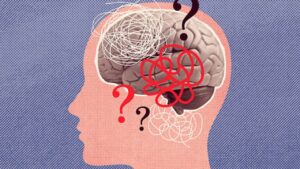
Dementia presents another particularly difficult challenge because it affects memory, thinking, communication, and the ability to complete familiar activities. Some seniors may eventually struggle to recognize familiar people or remember important details about their daily routines.
These conditions can also affect family members and caregivers. Watching someone you love gradually lose their independence can be emotionally difficult, especially when the person needs frequent medical appointments, medication, or long-term assistance.
However, having a chronic condition does not automatically mean someone cannot enjoy their later years. Regular medical checkups, appropriate treatment, a balanced diet, and physical activity suited to individual abilities can help manage many health problems.
The important lesson is to take health concerns seriously rather than waiting until symptoms become difficult to handle. Early attention and consistent care can make a meaningful difference in how older adults experience their 80s and beyond.
3. Loneliness and Social Isolation
Growing older sometimes means experiencing losses that are difficult to replace. A spouse may pass away, close friends may become ill, and retirement may gradually reduce the number of people someone interacts with regularly.

For many seniors, these changes can lead to loneliness and social isolation. What makes this particularly concerning is that loneliness affects much more than a person’s emotions.
Human beings need meaningful connections, regardless of age. Having someone to talk to, share experiences with, or simply spend time around can provide emotional comfort and a sense of belonging.
When older adults become socially isolated, they may experience persistent sadness, anxiety, and depression. Without regular conversations and social activities, they may also receive less mental stimulation, which can affect memory and cognitive well-being.
YOU MAY LIKE



Social isolation can influence physical health too. Chronic loneliness has been associated with poorer health outcomes, and seniors who spend most of their time alone may become less motivated to exercise, prepare nutritious meals, or maintain healthy routines.
Another problem is the lack of practical support. An older person living alone may struggle to get to medical appointments, manage household responsibilities, or receive assistance during an emergency.
Unfortunately, isolation can become difficult to escape once it develops. The longer someone remains disconnected from others, the harder it may feel to rebuild relationships and become involved in social activities again.
This is why maintaining relationships should remain a priority throughout life. Regular phone calls, family visits, community gatherings, religious or social groups, and volunteer activities can help older adults feel included.
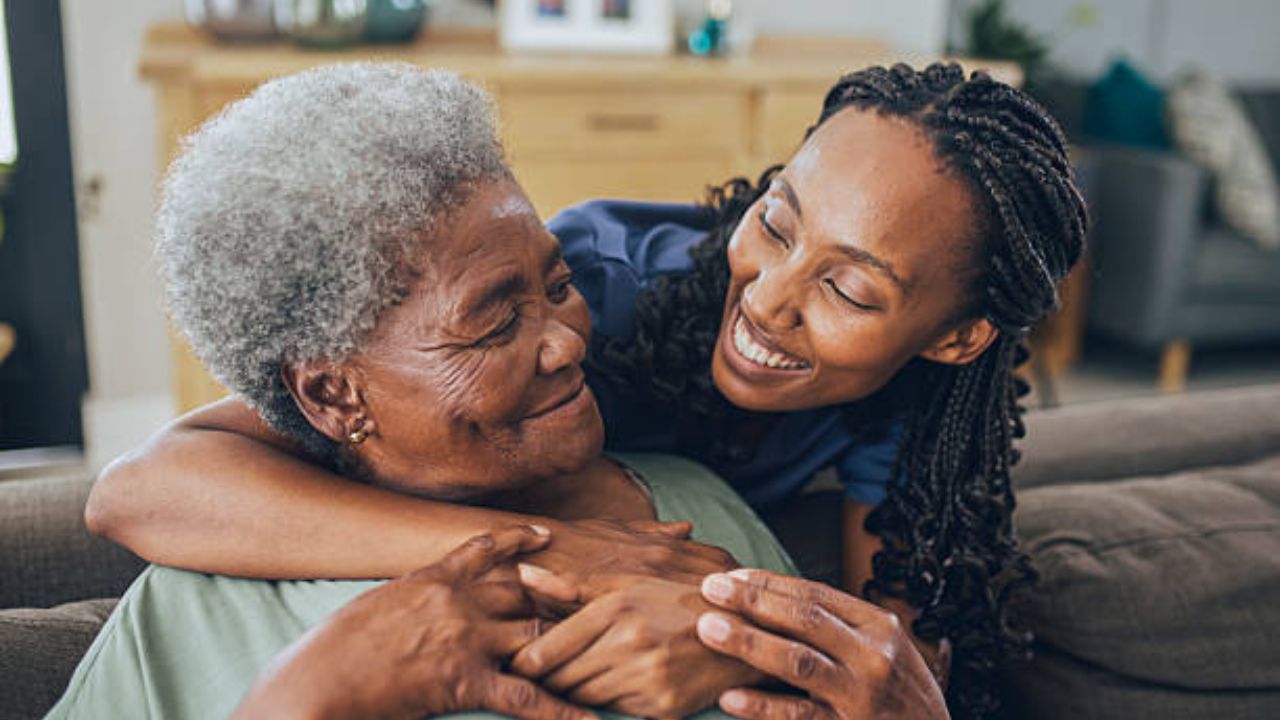
Even small interactions can make a difference. A conversation with a neighbor, a visit from a grandchild, or an afternoon spent with an old friend can bring happiness and remind seniors that they are still valued and appreciated.
4. Poor Nutrition and Unhealthy Eating Habits
Food plays an important role in how the body functions, but maintaining a healthy diet can become more difficult with age. Some older adults experience reduced appetite, changes in taste, difficulty chewing, or medical conditions that make eating certain foods uncomfortable.
Others may struggle with shopping and preparing meals because of joint pain, mobility problems, or limited access to fresh ingredients. As a result, they may begin relying on convenient processed foods that contain too much salt, sugar, or unhealthy fats.
The problem is that the body still needs essential nutrients to maintain strength, protect the immune system, and support healthy brain function. When older adults regularly miss important nutrients, their physical condition can gradually deteriorate.
Protein is particularly important because it helps maintain muscle mass and supports tissue repair. Seniors who do not consume enough protein may become weaker and more vulnerable to frailty, making everyday activities increasingly difficult.
Vitamins and minerals also play important roles. Calcium and vitamin D support bone health, while iron helps the body produce healthy red blood cells and transport oxygen.
Poor nutrition can weaken the immune system, making it harder for the body to fight infections and recover from illnesses. It may also contribute to fatigue, reduced energy, and other health complications.
The good news is that improving nutrition does not have to involve complicated meal plans or expensive ingredients. Eating a variety of vegetables, fruits, whole grains, beans, nuts, and suitable protein sources can provide many of the nutrients older adults need.
Family members and caregivers can also help by preparing simple meals, making healthy foods easier to access, and paying attention to changes in appetite or eating habits. Regular medical checkups can help identify nutritional deficiencies before they become more serious problems.
5. Mental and Emotional Health Challenges
Physical health often receives considerable attention during old age, but mental and emotional well-being are just as important. Many seniors experience significant life changes after 80, and adjusting to these changes can sometimes become overwhelming.
One of the most difficult experiences is losing loved ones. The death of a spouse, sibling, close friend, or family member can leave an emotional gap that is difficult to fill, especially when that person has been part of everyday life for decades.
Retirement can also create unexpected challenges. Although many people look forward to leaving work, the sudden loss of a familiar routine, workplace relationships, and professional responsibilities can leave some retirees feeling disconnected.
For individuals who spent most of their lives building careers or supporting their families, retirement may raise difficult questions about identity and purpose. They may begin wondering what their role is now that their daily responsibilities have changed.
Physical limitations can make these feelings worse. Chronic pain, reduced mobility, and dependence on others may cause frustration, anxiety, or a sense of helplessness.

Some seniors also develop symptoms of depression or anxiety during this stage of life. Persistent sadness, loss of interest in favorite activities, sleep difficulties, and constant worries about health or the future should not be dismissed as normal parts of aging.
Having a sense of purpose can make a significant difference. Seniors can find fulfillment through hobbies, volunteering, mentoring younger people, spending time with grandchildren, or participating in activities that give their days meaning.
It is equally important to maintain supportive relationships and seek professional help when emotional difficulties become overwhelming. Speaking with a qualified therapist or healthcare professional can provide useful strategies for managing grief, depression, and anxiety.
Growing older comes with changes that cannot always be controlled, but how people respond to those changes can influence their emotional well-being. Taking care of the mind deserves the same attention as taking care of the body.
5 Secrets to Living Beyond 100 and Enjoying Your Golden Years
Understanding why many seniors struggle after 80 is only part of the picture. The next step is learning the habits that can help older adults maintain their health, independence, and happiness as they grow older.
Although nobody can guarantee a particular lifespan, certain daily choices can support healthier aging and improve the quality of life.
1. Stay Physically Active at Every Age
One of the most important habits for healthy aging is remaining physically active. Regular movement helps maintain muscle strength, improve circulation, support joint mobility, and keep the body functioning as well as possible.
Walking is one of the simplest activities older adults can incorporate into their daily routines. It is relatively gentle on the joints and can help improve endurance, support cardiovascular health, and maintain mobility.
Yoga is another useful activity for seniors who can participate safely. Gentle stretching and balance exercises can improve flexibility, reduce stiffness, and help maintain coordination, which is particularly important when trying to prevent falls.
Swimming can also be beneficial because water supports much of the body’s weight. This makes movement easier for people who experience joint discomfort while still providing an opportunity to strengthen muscles and improve cardiovascular fitness.
The most important thing is consistency rather than intensity. Older adults do not need to push themselves beyond their abilities to benefit from physical activity.
Finding enjoyable activities and making them part of a regular routine can help seniors remain stronger, more confident, and more independent. Anyone with existing health conditions or mobility limitations should discuss suitable activities with a healthcare professional.
2. Embrace a Nutritious and Balanced Diet
What you eat every day can influence how your body handles the aging process. A balanced diet provides the nutrients needed to support the heart, brain, bones, muscles, and immune system.
Fresh fruits, vegetables, whole grains, and lean protein sources are excellent foundations for healthy eating. These foods provide important vitamins, minerals, antioxidants, and fiber that help the body perform its essential functions.
Certain foods are particularly useful additions to a nutritious eating plan. Almonds, walnuts, and pistachios provide healthy fats, protein, and fiber, while berries such as blueberries, strawberries, and raspberries contain antioxidants that help protect cells from damage.
Olive oil is another valuable ingredient because it contains monounsaturated fats associated with heart health. Using it in salads or everyday cooking can be a simple way to improve the nutritional quality of meals.
At the same time, it is worth limiting excessive amounts of refined sugar and highly processed foods. Regularly consuming too much of these foods can contribute to weight gain, blood sugar problems, and other health concerns.
Healthy eating is not about following a perfect diet or avoiding every food you enjoy. It is about making consistent choices that give your body what it needs to remain strong and healthy.
3. Cultivate Strong Social Connections
Meaningful relationships are an important part of a happy and fulfilling life, particularly during the later years. Having supportive people around you can provide companionship, emotional encouragement, and practical assistance when challenges arise.
Family members and close friends can help older adults feel connected to the world around them. Regular conversations, shared meals, family visits, and simple social activities can bring enjoyment to everyday life.
Joining community groups or participating in activities based on personal interests can also help seniors build new friendships. These connections provide opportunities to meet people, share experiences, and develop a stronger sense of belonging.

Volunteering is another meaningful way to stay socially engaged. Helping others can create a sense of accomplishment while allowing older adults to contribute their knowledge, experience, and time to something valuable.
The important thing is not to allow age or retirement to become reasons for withdrawing from social life. Even when mobility becomes limited, phone calls, video conversations, and visits from loved ones can help maintain meaningful connections.
A strong social circle does more than make life enjoyable. It can also provide a valuable support system during difficult periods, helping seniors feel less alone as they navigate the challenges of aging.
4. Keep Your Mind Active and Curious
Looking after your brain is just as important as maintaining physical strength. As people age, continuing to challenge the mind can help support memory, thinking skills, and overall cognitive well-being.
Reading is one simple way to keep the brain engaged. Whether you enjoy novels, biographies, newspapers, or educational books, reading encourages concentration and exposes the mind to new ideas.
Puzzles, crosswords, and Sudoku can also provide enjoyable mental challenges. These activities encourage problem-solving, attention, and logical thinking while giving seniors something interesting to work on.
Learning new skills is another excellent way to maintain mental stimulation. Taking up a musical instrument, learning a new language, exploring technology, or enrolling in an online course can introduce fresh challenges and encourage lifelong learning.
The key is to remain curious rather than assuming that learning is something reserved for younger people. Trying unfamiliar activities and exploring different interests can help keep everyday life interesting and mentally engaging.
Making these activities part of a regular routine provides opportunities to challenge the brain throughout the later years. It is never too late to discover something new or develop an interest that brings excitement into your life.
5. Adopt a Positive Mindset and Practice Gratitude
The way people approach life can have a meaningful influence on their emotional well-being. Although aging brings challenges, maintaining a positive outlook can help seniors respond to difficult situations with greater resilience.
EDITORS' RECOMMENDATIONS



Practicing gratitude is one way to develop this mindset. Instead of focusing entirely on what has changed or what is no longer possible, take time to appreciate the things that still bring happiness.
It could be enjoying a peaceful morning, having a conversation with a family member, reading a favorite book, or spending time outdoors. These ordinary experiences may seem small, but they can bring genuine satisfaction when people learn to appreciate them.
Meditation and mindfulness can also help reduce stress and encourage emotional balance. Taking a few quiet moments each day to reflect, breathe deeply, and focus on the present can make it easier to approach life’s uncertainties with calmness.
Spiritual growth can provide another source of comfort and purpose for people who find meaning in it. Having something to believe in or a personal philosophy to guide daily decisions can help seniors navigate difficult experiences.
A positive mindset does not mean pretending that problems do not exist. It means acknowledging life’s difficulties while continuing to recognize the good things that remain.
By practicing gratitude, nurturing meaningful relationships, and treating themselves with compassion, older adults can build emotional strength and find more enjoyment in their later years.
Make Your Golden Years Count
Living beyond 100 is not simply about adding more years to life. It is about making those years meaningful, enjoyable, and fulfilling by taking care of the body, nurturing the mind, and maintaining relationships with people who matter.
The habits discussed here are a reminder that small daily choices can make a difference. Staying physically active, eating nutritious meals, maintaining social connections, keeping the brain engaged, and developing a positive mindset can all contribute to healthier aging.
Most importantly, it is never too late to start making positive changes. Regardless of your age, every new day offers an opportunity to embrace life with gratitude, purpose, and joy.