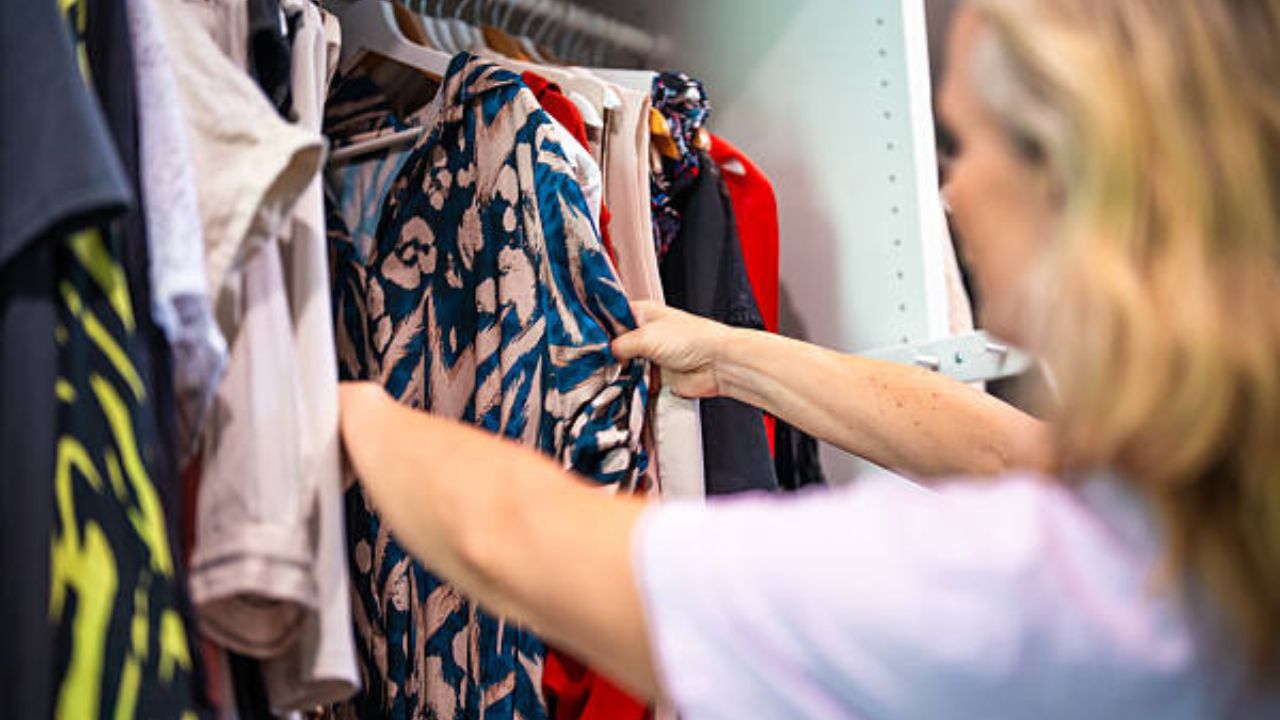
Getting older does not mean you have to give up looking stylish, elegant, or fashionable. In fact, women over 40, 50, and 60 can look just as radiant and confident as ever, especially when they understand which colors and clothing styles bring out their natural beauty.
However, some fashion choices can quietly work against you without you even realizing it. You might have beautiful clothes, expensive accessories, and a wardrobe full of designer pieces, but the wrong colors or outdated styles can make your complexion look dull, highlight wrinkles, and take away the natural glow from your face.
The good news is that looking younger does not require replacing your entire wardrobe or spending a fortune on new clothes. Sometimes, making a few simple changes to the colors you wear, the way you accessorize, and the styles you choose can make a remarkable difference.
So, if you are over 40 and want to look modern, fresh, and effortlessly elegant, here are 10 fashion mistakes worth avoiding and the flattering alternatives that can help you feel more confident in your clothes.
1. Wearing All Black From Head to Toe
Black has always been associated with elegance, sophistication, and timeless fashion. It is easy to understand why so many women love it, especially because it can make outfits look polished and put together with very little effort.
However, wearing black from head to toe can sometimes have the opposite effect on mature skin. Instead of making you look effortlessly elegant, too much black can create harsh shadows around your face, making wrinkles, fine lines, and other signs of aging more noticeable.
The reason has a lot to do with how black interacts with light. Since black absorbs light rather than reflecting it, wearing it close to your face can take away some of the natural brightness that makes your complexion look fresh.
This does not mean you have to throw away your favorite black clothes. A better approach is to keep black on the lower half of your body and introduce softer, brighter colors around your face.
For example, you can pair black trousers with a deep plum blouse, a soft white sweater, or a champagne-colored top. Rich jewel tones like sapphire blue and emerald green are also excellent choices because they add depth and color without looking overly flashy.
If you absolutely love black sweaters or jackets, try breaking up the dark color with a colorful scarf, a lighter shirt underneath, or a lipstick shade that brightens your complexion. The goal is to maintain the elegance of black without allowing it to overpower your natural features.
2. Choosing Expensive Clothes in the Wrong Colors
One of the biggest fashion misconceptions is that expensive clothing automatically makes you look more stylish. While quality fabrics and beautiful designs can certainly improve an outfit, they cannot guarantee that a particular color or style will flatter you.
A personal experience from a fashion and color expert illustrates this perfectly. She once purchased an expensive silk blouse from the designer brand Emilio Pucci, spending more than €800 on a piece that looked absolutely beautiful online.
The blouse featured a cool pink shade with yellow accents, an abstract watercolor-style print, and a delicate bow detail on the shoulder. She expected to look fantastic wearing it to a Friday dinner, but when she checked her reflection in the mirror, something felt completely wrong.
Instead of making her look radiant, the blouse seemed to drain the energy from her face. Her complexion appeared dull, and even adding more makeup and lipstick did not solve the problem.
What made the experience particularly frustrating was that she had spent so much money on something that did not make her feel confident. She eventually realized that the problem was not the quality of the blouse but the fact that its colors and design did not complement her natural features.
This is an important lesson for women over 40. Before purchasing expensive clothing, pay attention to how the colors make your face look rather than focusing entirely on the brand, price, or current fashion trends.
A reasonably priced blouse in a flattering color can make you look far more radiant than an expensive designer piece that washes out your complexion. The best clothes are not necessarily the most expensive ones, but the ones that make you feel comfortable, attractive, and confident.
3. Wearing Faded and Dusty Pastel Colors
Pastel colors are often associated with softness, femininity, and elegance. Shades like powder blue, dusty lavender, pale pink, and faded beige can look beautiful, but certain versions of these colors may not be particularly flattering as we get older.
As women age, their natural facial contrast can gradually become softer. When you combine this with clothing colors that are already very pale and muted, your overall appearance can lose definition.
For example, a faded powder blue blouse may make some women’s skin look dull rather than fresh. Instead of bringing attention to their eyes and facial features, the color can make them appear washed out.

The solution is not to avoid every pastel shade. Instead, choose clearer and slightly more saturated versions that provide enough color to brighten your appearance.
For instance, you can replace dusty lavender with a more vibrant lilac or choose periwinkle instead of pale powder blue. If you usually wear dusty beige, try a warm camel shade that adds more richness to your outfit.
YOU MAY LIKE



These small changes allow you to enjoy the softness of pastel colors without making your complexion look lifeless. The important thing is to find shades that complement your natural coloring rather than disappear against it.
4. Wearing the Wrong Shade of Yellow
Yellow is one of those colors that can look absolutely beautiful on one woman and completely unflattering on another. It has the power to brighten an outfit, but choosing the wrong shade can make your skin appear tired, dull, or slightly yellowish.
The secret to wearing yellow successfully is understanding your skin’s undertone and choosing the right level of color saturation. A pale yellow that looks lovely on someone else might not create the same effect on you.
For example, women with warm undertones may find that richer shades resembling toffee work better than very pale yellow. Women with cool undertones can experiment with icy lemon or creamy butter shades that complement their natural coloring.
Those with neutral undertones have more flexibility and can try sunflower yellow, especially when it is paired with a softer color like ivory. The combination creates a balanced appearance without allowing the yellow to overpower the outfit.
The important lesson is that yellow itself is not the problem. It is about finding the version that works with your complexion instead of choosing a shade simply because it is fashionable.
If you are unsure whether your undertone is warm, cool, or neutral, paying attention to how different colors affect your face can help you make better choices. Once you understand your natural palette, shopping for clothes becomes much easier.
5. Wearing Harsh Neutral Colors Near Your Face
Neutral colors are wardrobe essentials because they are easy to combine and rarely go out of style. However, not every neutral shade is flattering, particularly when worn close to the face.
Very dark brown, pure black, and extremely bright white can sometimes create too much contrast or make the complexion appear flat. Depending on your natural coloring, these shades may highlight shadows and wrinkles rather than enhance your features.
A better option is to choose softer neutral colors that complement your skin’s undertone. Women with warm undertones can experiment with deep camel, warm taupe, and rich olive because these shades add warmth without looking too harsh.
For cooler undertones, dove gray, navy, midnight blue, and cool plum are excellent alternatives. They provide sophistication and depth while working more naturally with cooler complexions.
Women with neutral undertones can experiment with both warm and cool shades, although balance remains important. Soft mocha, anthracite, and muted teal are particularly useful because they create an elegant appearance without overpowering the face.
These softer alternatives can make your wardrobe look just as sophisticated as traditional neutrals. More importantly, they allow you to enjoy classic colors without sacrificing the brightness and freshness of your complexion.
6. Wearing Tops With Completely Closed Necklines
The neckline of your clothing can make a bigger difference than you might expect. Even when the rest of your outfit looks beautiful, a neckline that does not flatter your proportions can make your overall appearance feel heavier and less balanced.
One common mistake is wearing tops that are buttoned all the way up to the neck. These styles can visually shorten the neck and draw more attention to the chin and lower face.
Instead of hiding your neckline, try choosing clothes that create a little more openness around the neck and collarbone. V-neck tops are particularly useful because they create a vertical line that can make the neck appear longer.

Open collars and boat necklines are also worth considering, depending on your personal style and body proportions. They create a more relaxed appearance while allowing your outfit to feel less restrictive.
You do not have to wear revealing clothes to achieve this effect. Even opening the top button of a shirt or choosing a sweater with a slightly wider neckline can make your outfit look more flattering.
The key is to avoid covering your entire neckline with heavy or tightly closed clothing when a more open design would complement your features.
7. Choosing Makeup Colors That Do Not Match Your Complexion
Clothing is not the only thing that can make you look older. Your makeup choices also play an important role in how fresh, balanced, and youthful your overall appearance looks.
Using the wrong foundation shade, lipstick color, blush, or eyeshadow can make your features appear flat or create an unbalanced look. For example, a foundation that is too gray can make your complexion look lifeless, while overly brown lipstick may take away some of the natural warmth from your face.
The best approach is to choose makeup colors that work with your skin’s undertone. Women with warm undertones can experiment with peach blush, coral lipstick, and warm neutral eyeshadows.
For cool undertones, berry lipsticks, pink blush, and silvery gray eyeshadows can create a more harmonious appearance. These shades complement cooler complexions without making the makeup look too heavy.
Women with neutral undertones can experiment with soft rose and champagne shades. These colors provide a gentle balance and can create an elegant finish without looking overly dramatic.
It is also important to remember that sunscreen should remain part of your everyday beauty routine. A tinted sunscreen can be a useful option if you prefer something that offers sun protection while providing a little complexion coverage.
Ultimately, makeup should enhance your natural features rather than compete with them. Choosing shades that complement your skin can make even a simple everyday makeup routine look more polished.
8. Wearing Bulky and Chunky Shoes With Elegant Outfits
Comfort becomes increasingly important when choosing footwear, and there is absolutely no reason to sacrifice it just to look fashionable. However, some shoes can make an otherwise beautiful outfit appear heavier and less sophisticated.
Bulky orthopedic sneakers and oversized sports shoes are common examples. Although they may provide comfort and support, their thick shapes can sometimes overwhelm the rest of your outfit, particularly when paired with elegant trousers, dresses, or tailored clothing.
Fortunately, comfortable footwear does not have to look bulky. Sleek loafers, simple ballet flats, and soft gold sandals can provide a stylish alternative without making your feet uncomfortable.
Clean white sneakers are another excellent option for women who prefer casual outfits. Navy sneakers and simple flats can also create a more refined appearance while remaining practical for everyday activities.
The trick is to look for shoes with clean lines and balanced proportions. You can still prioritize comfort while choosing footwear that complements the overall shape and style of your outfit.
9. Wearing Outdated Floral Prints and Overly Complicated Patterns
Patterns can add personality and visual interest to an outfit, but choosing the wrong designs can make your clothes look outdated. This is especially true when floral prints are overly busy, complicated, or filled with too many competing colors.
A pattern should complement your outfit rather than become the only thing people notice. When several colors, shapes, and decorative details compete for attention, the overall look can become overwhelming.
Modern geometric patterns are a great alternative because they create structure and make an outfit look more intentional. Bold stripes and clean abstract designs can also add sophistication without making your clothes appear too busy.
Women with warm undertones can experiment with geometric patterns that include camel or warm teal accents. Those with cool undertones may prefer classic navy and white combinations or designs featuring rich jewel tones.

For neutral undertones, geometric prints, soft rosewood shades, and muted abstract patterns can work beautifully. The main idea is to choose designs that create a balanced appearance rather than filling your wardrobe with several competing prints.
Remember that one strong, modern pattern can make a much better impression than multiple floral designs fighting for attention. Keeping your patterns simple is an easy way to make everyday outfits look more elegant.
10. Wearing Too Many Accessories at Once
Accessories can transform a simple outfit into something special, but wearing too many at once can have the opposite effect. When several necklaces, bracelets, earrings, rings, and decorative details compete for attention, your outfit can lose its elegance.
One of the easiest ways to avoid this mistake is to choose a single statement accessory. It could be a beautiful necklace, an elegant pair of earrings, or a structured handbag that adds character to your outfit.
This approach creates a cleaner and more modern appearance without making you feel underdressed. It also allows your chosen accessory to stand out instead of getting lost among too many competing details.
Minimalism is particularly useful when putting together outfits for everyday activities and special occasions. You do not need several expensive accessories to look stylish, because a few carefully selected pieces can make a stronger impression.
The goal is to create balance. When your clothes already have interesting colors, patterns, or textures, keeping your accessories simple can help everything come together beautifully.
The Secret Color Combination That Works With Every Skin Tone
After looking at these 10 common fashion mistakes, there is one final color combination worth adding to your wardrobe. It combines rich emerald teal with anthracite gray, creating a sophisticated look that brings together brightness and elegance.
EDITORS' RECOMMENDATIONS



Emerald teal is particularly interesting because it adds richness and color around the face. Instead of looking harsh or overly bright, it can create a beautiful sense of freshness and vitality.
Anthracite gray works as the perfect companion because it provides depth without the intensity of pure black. It is dark enough to create contrast, but its softer appearance makes it a more balanced neutral option.
You can recreate this combination in several ways. Try an emerald teal blouse with anthracite trousers, a teal sweater with a gray skirt, or a beautiful teal top paired with an anthracite blazer.
The combination is presented as a versatile option for different skin tones because it balances a rich, vibrant shade with a softer neutral. It also gives you an easy way to move away from an all-black wardrobe without losing that elegant appearance.
If you are unsure where to begin when updating your wardrobe, this is a simple combination worth experimenting with. You may discover that adding one beautiful teal piece is enough to give several existing outfits a completely different feel.
Conclusion
Looking stylish after 40, 50, or 60 is not about following every fashion trend or spending thousands on designer clothing. It is about understanding your natural coloring, choosing flattering styles, and avoiding clothing choices that make your complexion look dull or your outfits feel outdated.
From wearing too much black and faded pastels to choosing the wrong makeup colors, bulky shoes, and excessive accessories, small mistakes can affect how your entire appearance comes together. Fortunately, simple alternatives like softer neutrals, open necklines, modern patterns, and carefully selected accessories can make a noticeable difference.
Most importantly, wear colors and styles that make you feel confident and radiant. Your clothes should bring out your natural beauty, not hide it, because looking elegant and feeling good about yourself have no age limit.