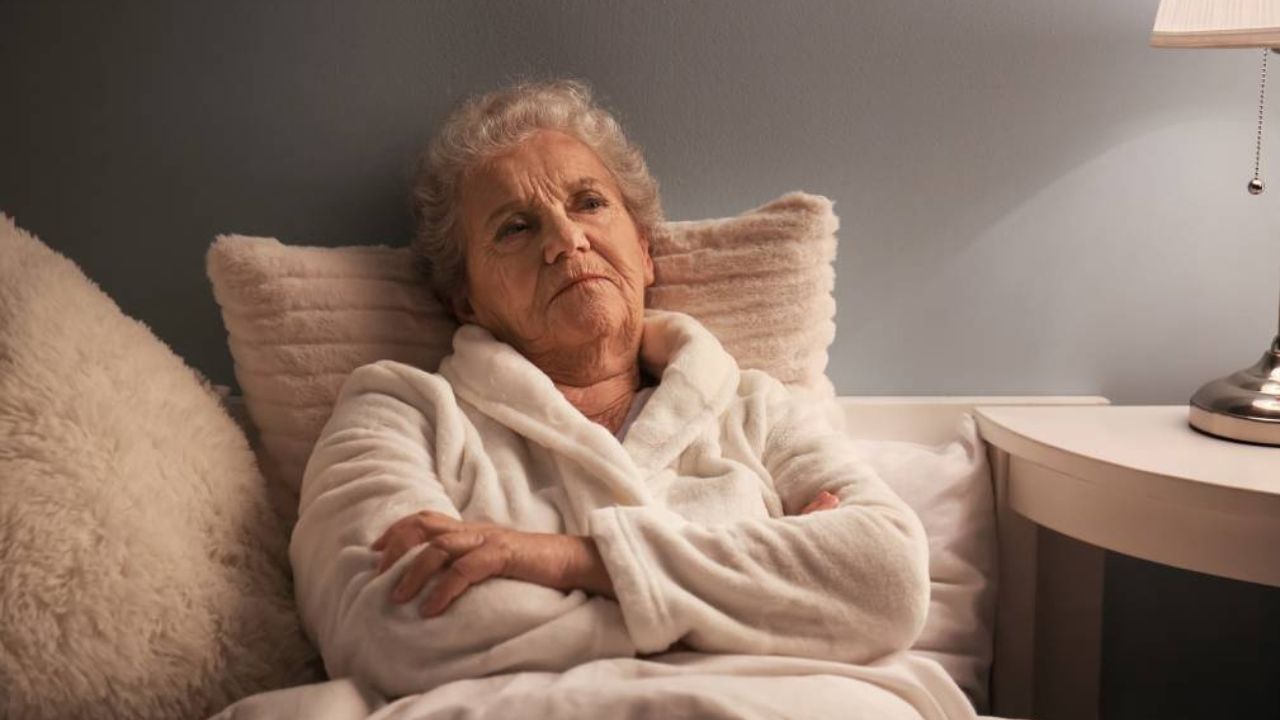
Getting older often changes the way we look at everyday life. Things that once seemed perfectly normal or necessary can gradually become inconvenient, exhausting, or even unsafe, especially when you’re living alone after 70.
For many older adults, independence has always been something to take pride in. You’ve spent decades managing your household, paying bills, raising a family, making decisions, and handling responsibilities without needing much help from anyone. However, life changes, and the habits that worked perfectly well at 40 or 50 may not be the best choices at 75 or 80.
The truth is that living alone later in life requires a different approach to certain things. Your safety, comfort, health, and peace of mind deserve more attention than holding on to routines simply because you’ve followed them for decades. Sometimes, making life easier means accepting that certain habits no longer serve you.
Here are 10 things that may have made perfect sense years ago but no longer make much sense when you’re living alone after 70.
1. Keeping a Landline Phone Without an Emergency Alert System
There’s something comforting about having a traditional landline phone in the house. Perhaps you’ve had one sitting on your kitchen wall or bedside table for decades, and you’ve never felt the need to replace it. However, when you’re living alone after 70, relying on a landline as your only means of communication during an emergency can be a serious mistake.
Imagine slipping in the bathroom, falling in the hallway, or suddenly feeling too weak to stand. Your landline might be only a few steps away, but that doesn’t help much if you cannot reach it. Some older adults have experienced frightening situations where they remained on the floor for hours simply because they couldn’t get to their phones.
This is why having an additional emergency communication option makes so much sense. A medical alert pendant, a smartwatch with fall detection, or a voice-activated assistant can help you contact someone when you need assistance. Some devices can even recognize a fall and automatically alert an emergency contact.
Keeping your landline isn’t necessarily the problem. The problem is assuming it provides enough protection when you’re alone. Having an emergency device that stays with you throughout the day can offer additional security and help protect the independence you’ve worked so hard to maintain.
2. Refusing to Automate or Digitize Your Monthly Bills
If you’ve spent most of your adult life paying bills with checks, envelopes, and paper statements, switching to digital payments might not sound particularly appealing. You may prefer writing everything down in a notebook, keeping receipts in a drawer, and mailing payments when they’re due. While there’s nothing wrong with being comfortable with familiar routines, this approach can become unnecessarily stressful when you’re living alone.
Think about what could happen if you suddenly become ill or spend a week in the hospital. You might forget an electricity bill, miss an insurance payment, or overlook an important notice that arrived in the mail. Without someone else checking on these responsibilities, a small mistake can quickly turn into late fees, penalties, or even a disruption in essential services.
Automating important payments can remove much of this pressure. You can arrange automatic payments for recurring expenses such as electricity, water, rent, mortgage payments, and insurance. Setting up account notifications can also help you keep track of upcoming charges and suspicious transactions.
If you’re uncomfortable with technology, ask a trusted family member, your bank, or someone familiar with digital payments to help you get started. You don’t have to understand every technical detail to benefit from a simpler system. The goal is to make sure your important financial responsibilities don’t become harder than necessary.
3. Holding On to a House That Has Become Unsafe or Difficult to Maintain
For many older adults, a family home represents much more than four walls and a roof. It’s where children grew up, family celebrations happened, and countless memories were created. Giving up that home can feel like giving away a piece of your personal history, especially after spending several decades there.
However, a house that once suited your lifestyle perfectly may no longer meet your physical needs. Steep staircases, slippery bathroom floors, high cabinets, narrow hallways, and bedrooms upstairs can become daily obstacles as balance, strength, and mobility change. Something as ordinary as climbing the stairs to reach your bedroom can eventually become a safety concern.
There’s also the responsibility of maintaining a property. Mowing the lawn, cleaning gutters, fixing leaks, handling repairs, and keeping the entire house clean can become exhausting when you’re managing everything alone. What once felt like a comfortable home can gradually turn into a collection of responsibilities that consume your time and energy.

Sometimes, downsizing is the more practical choice. Moving into a smaller apartment, a single-story home, or a retirement community with helpful services can make everyday life considerably easier. Making this decision doesn’t mean abandoning your memories or giving up your independence.
YOU MAY LIKE



Your home should support the life you’re living today, not constantly remind you of everything you can no longer manage comfortably. You deserve a space where you feel safe, relaxed, and able to enjoy your days without worrying about every staircase or maintenance problem.
4. Driving at Night or Taking Long-Distance Trips Alone
Driving represents freedom for many older adults. It allows you to visit friends, attend appointments, go shopping, and travel whenever you feel like leaving the house. When you’ve been driving for 50 years or more, the idea of limiting that freedom can be difficult to accept.
However, aging can bring gradual changes that affect driving ability. Glare from headlights may become more uncomfortable, peripheral vision may narrow, and judging distances can become more challenging. Your reaction time may also change, meaning you might need more time to respond to unexpected situations on the road.
Night driving can be particularly demanding because visibility is reduced and bright headlights can make it harder to see clearly. Long-distance trips can create another problem because sitting behind the wheel for extended periods may leave you physically tired and less alert. When you’re driving alone, there’s also nobody beside you to help with navigation or notice when fatigue starts affecting your concentration.
Being honest about these changes is important. If night driving has become uncomfortable, consider limiting your trips to daylight hours. For longer journeys, ask a friend or relative to accompany you, arrange a ride, or use a transportation service when necessary.
The goal isn’t to stop going places or become dependent on others for everything. It’s to find safer ways to maintain your freedom without putting yourself or other road users at unnecessary risk.
5. Sticking With the Same Doctor Simply Because You’ve Always Seen Them
There’s a special kind of comfort that comes from visiting a doctor you’ve known for many years. Perhaps they’ve treated your family, helped you through serious illnesses, or looked after your health since you were much younger. That history can make it difficult to consider changing physicians, even when your medical needs have become more complicated.
But your body changes as you age, and your healthcare needs change with it. A doctor who understood your health perfectly well at 50 may not necessarily be the best person to manage the challenges you face at 75 or 80. Older adults may need more attention to medication interactions, memory changes, mobility concerns, and other age-related issues.
Living alone makes this especially important because you may not have a spouse or family member who notices small changes in your health. You might be the only person aware that you’re becoming unusually tired, struggling to walk comfortably, or experiencing changes in your memory. A good doctor should take these concerns seriously rather than dismissing everything as a normal part of getting older.
This doesn’t mean every older adult needs to abandon their longtime physician. It simply means you should evaluate whether your current doctor listens carefully, explains treatment options, reviews your medications, and takes your concerns seriously. A geriatric specialist may also be worth considering when your healthcare needs become more complex.
Loyalty is admirable, but your health should always come first. You deserve medical care that keeps up with your needs today, not simply a familiar appointment with someone you’ve known for decades.
6. Stocking Your Pantry and Freezer Like You’re Preparing for the Apocalypse
Keeping extra food at home is sensible. Having a few additional meals, canned goods, and basic supplies can be helpful when bad weather, illness, or unexpected circumstances make shopping difficult. However, there’s a difference between being prepared and filling every available cupboard with food you may never eat.
Some older adults continue shopping as though they’re feeding an entire family. They purchase large quantities of canned vegetables, frozen meals, pasta, and other groceries, even though they now live alone. Before long, the pantry becomes overcrowded, the freezer is packed, and finding something useful to prepare becomes surprisingly difficult.

An overcrowded kitchen can create practical problems. Heavy cans may be difficult to lift, food can get pushed to the back and forgotten, and expired products may remain on the shelves for years. When labels are difficult to read or items are stored in hard-to-reach places, the kitchen can become more frustrating than convenient.
A better approach is to keep a manageable supply of foods you actually enjoy and regularly use. Choose groceries that are easy to prepare, simple to store, and suitable for your current appetite and lifestyle. A few backup meals and essential supplies are enough for many households.
Your pantry should make feeding yourself easier, not become another responsibility you have to manage. There’s no reason to spend your later years organizing mountains of groceries when a smaller, more practical selection can serve you just as well.
7. Holding On to Family Heirlooms and Valuables That Nobody Wants
Letting go of family possessions can be one of the most emotional challenges of getting older. Perhaps you still have your mother’s antique china, your grandmother’s silverware, an old dining table, or boxes filled with photographs and childhood belongings. These items carry memories that cannot easily be replaced.
However, the next generation may not have the same attachment to these possessions. Your children and grandchildren might live in smaller homes, prefer simpler furniture, or have little interest in maintaining objects they rarely use. That doesn’t necessarily mean they don’t appreciate their family’s history. They may simply have different lifestyles and limited space.
Holding on to everything can eventually turn your home into a storage space rather than somewhere you can comfortably enjoy living. You might spend hours cleaning, organizing, and protecting possessions that nobody has plans to use. Meanwhile, the things that could make your everyday life more comfortable get pushed aside.
One way to approach this is to ask your family which items they genuinely want. If they decline certain possessions, consider donating them to a historical society, selling them to collectors, or giving them to someone who will appreciate them. You can also photograph meaningful objects and write down the stories behind them so those memories remain part of your family’s history.
Remember, your legacy isn’t measured by how many belongings you manage to preserve. The experiences, lessons, relationships, and memories you leave behind matter far more than a cupboard full of silverware. Letting go of unwanted possessions can create room for a more peaceful and comfortable life.
8. Using Old Passwords and Ignoring Online Security
Technology has changed almost every part of everyday life, including how older adults communicate, manage their money, and access important services. Unfortunately, some people continue using the same passwords they created many years ago, often repeating them across multiple accounts. While remembering one password may seem convenient, it can create serious security problems.
Imagine someone gaining access to an old email account that is connected to your bank, personal documents, shopping accounts, or medical information. A compromised password could give criminals access to several important parts of your life. Recovering stolen accounts and protecting your personal information can become an exhausting process.
This is why updating passwords and using two-factor authentication are important steps. Two-factor authentication adds another layer of protection by requiring an additional verification step, such as a code sent to your phone. A reputable password manager can also help you create and remember stronger passwords without writing them on pieces of paper around the house.
You should also be cautious about unexpected emails, suspicious links, strange pop-ups, and phone calls from people claiming to represent your bank. Never share your banking information or verification codes with someone who contacts you unexpectedly. When something feels suspicious, contact the organization directly using its official contact information.
You don’t need to become a technology expert to protect yourself online. If setting everything up feels confusing, ask a trusted relative or knowledgeable friend for assistance. Taking a little time to improve your digital security can help protect your finances, personal information, and peace of mind.
9. Avoiding Assistive Devices Because of Pride
Many older adults resist using canes, walkers, grab bars, and other mobility aids because they don’t want to appear old or physically weak. They may convince themselves that they can still manage without assistance, even when walking, standing, or getting in and out of the shower has become increasingly difficult. Unfortunately, refusing useful support doesn’t make the physical challenges disappear.

When you’re living alone, a fall can have serious consequences. There may be nobody nearby to help you get back on your feet, call for assistance, or notice that something has happened. Preventing a fall is therefore much better than risking an injury simply to avoid using a mobility aid.
A cane or walker isn’t a symbol of failure. It’s a practical tool that can help you move around more safely and maintain your ability to perform everyday activities. Similarly, installing grab bars in the bathroom or using a raised toilet seat can make ordinary routines more comfortable and reduce unnecessary physical strain.
Modern mobility aids also come in different designs and styles. Some walkers are foldable, while others include seats and storage compartments that make everyday outings more convenient. With guidance from a healthcare professional, you can choose equipment that suits your needs and physical abilities.
There’s no reason to sacrifice your safety to protect your pride. Accepting assistance doesn’t mean you’re giving up on independence. In many cases, it’s exactly what allows you to remain independent for longer.
10. Believing You Must Handle Everything Alone
Perhaps the biggest mistake older adults make when living alone is believing they must continue handling every responsibility without help. If you’ve spent your entire life being the dependable person in your family, asking someone for assistance may feel uncomfortable. You’re used to being the person others turn to, not the person who needs support.
However, managing a household alone can become overwhelming as you get older. Grocery shopping, cleaning, home repairs, medication schedules, financial responsibilities, and medical appointments all require time and energy. Trying to manage everything without assistance can leave you exhausted and increase the chances of overlooking something important.
EDITORS' RECOMMENDATIONS



There’s also an emotional side to this problem. Some older adults quietly struggle with loneliness, anxiety, and isolation because they don’t want to burden their families or admit they need company. Over time, this can make everyday life feel much harder than it needs to be.
Accepting help doesn’t mean handing over control of your life. It could be as simple as asking a neighbor to carry heavy groceries, hiring someone to clean your home once a month, or allowing a family member to help organize your bills. Joining a local community group can also provide companionship and give you people you can turn to when something unexpected happens.
You don’t have to prove your independence by doing everything yourself. Sometimes, the smartest decision is recognizing when a little support would make life easier. There’s no prize for struggling silently when people around you are willing to help.
Conclusion
Living alone after 70 doesn’t mean you have to make life more difficult by holding on to every habit, possession, and routine you’ve followed for decades. As your needs change, it’s important to recognize which things still support your independence and which ones are taking up unnecessary time, energy, and space. From improving your home safety to accepting help with everyday responsibilities, small adjustments can make a meaningful difference.
Letting go doesn’t mean giving up. It means making practical choices that allow you to live more comfortably, safely, and peacefully. You don’t need to become an expert in technology, get rid of everything you own, or suddenly depend on everyone around you. You simply need to be honest about what works for the person you are today.
Take one small step at a time and give yourself permission to make life easier. After everything you’ve done throughout your life, you deserve a home, a routine, and a lifestyle that bring you comfort rather than unnecessary stress.