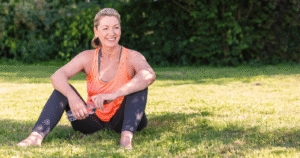
Reaching 70 is a major milestone, but it also brings questions that many people don’t always feel comfortable asking. How much longer do I have, and what can I do to make sure the years ahead are healthy, active, and fulfilling?
Nobody can predict exactly how long a person will live. However, research suggests that certain physical and mental health indicators can offer valuable clues about your overall health and longevity.
The good news is that many of these signs are easy to check without expensive equipment or complicated medical tests. Some can even help you identify areas where a few lifestyle changes could make a meaningful difference.
After 70, the goal shouldn’t just be to live longer. It’s also about maintaining your independence, enjoying everyday activities, staying mentally sharp, and having enough energy to do the things you love.
Here are seven signs that researchers say can offer insight into how well you’re aging and what your future health might look like.
1. Your Walking Speed Says More About Your Health Than You Think
Walking might seem like an ordinary daily activity, but how quickly you walk can reveal quite a bit about your overall health. It reflects several important functions in your body, including muscle strength, coordination, heart health, and lung capacity.
Research published in the Journal of the American Medical Association has linked faster walking speeds in older adults with better survival rates. In particular, maintaining a walking speed of around one meter per second or faster is considered a positive sign of physical health.
One simple way to check your walking ability is to measure how long it takes you to walk 400 meters at your normal, comfortable pace. That’s roughly the length of four football fields, and completing the distance in less than five minutes suggests a good level of walking fitness.
Consider John, a 72-year-old retired teacher who started noticing that he became breathless whenever he walked to his local park. When he tested himself over 400 meters, it took him seven minutes to complete the distance.
Instead of accepting this as something that automatically comes with age, John started walking for 10 minutes every morning. He gradually increased his pace and walking time, and within six months, he could complete the same distance in less than five minutes.
Susan, on the other hand, was 75 and could walk the distance in just four minutes and 30 seconds. Her regular gardening, daily walks with her dog, and involvement in community activities had helped her maintain an active lifestyle.
The important lesson is that walking speed isn’t something you should ignore as you get older. If you notice that you’re slowing down, start with short daily walks and gradually build your endurance.
2. Your Grip Strength Can Reveal How Well You’re Aging
You probably don’t think much about how tightly you can squeeze something with your hands. However, grip strength is one of the surprisingly useful indicators of overall physical health, especially in older adults.
Research published in The Lancet has linked weaker grip strength with a higher risk of death from several health conditions, including heart disease and cancer. This is partly because your grip strength reflects the condition of your muscles and your body’s ability to maintain physical strength.
As people age, they naturally lose some muscle mass and strength. This condition is known as sarcopenia, and it can make everyday activities like opening jars, carrying groceries, climbing stairs, and getting out of a chair increasingly difficult.
You can get a rough idea of your grip strength by squeezing a stress ball or a soft tennis ball. Notice whether you can squeeze it firmly and comfortably or whether your fingers feel weak and begin to tremble.
Tom, a 74-year-old man, started noticing that carrying grocery bags was becoming more difficult. He decided to work on his hand strength by squeezing a tennis ball for a few seconds several times throughout the day.
After a few months, he noticed that his hands felt stronger and carrying groceries had become easier. Mary, a 72-year-old woman who regularly worked in her garden, had maintained good grip strength through activities like pulling weeds and using gardening tools.
You don’t need expensive gym equipment to maintain your grip strength. Stress balls, resistance bands, light weights, and simple strength exercises can help keep your muscles active.
Your grip is more than just the strength of your handshake. It’s a reminder that maintaining muscle strength becomes increasingly important as you grow older, and it’s never too late to start.

3. Your Mental Sharpness Is an Important Sign of Long-Term Health
Your brain plays a role in almost everything you do, from remembering familiar faces to making decisions and controlling your movements. That’s why maintaining mental sharpness is just as important as maintaining physical strength after 70.
Research published in the journal Neurology has linked mild cognitive impairment with a higher risk of developing dementia. Cognitive decline can also affect independence, emotional well-being, and the ability to manage everyday activities.
One simple way to check your memory is to write down five to ten everyday items, such as bread, apples, eggs, and coffee. Wait a few minutes before trying to remember the list without looking at it.
YOU MAY LIKE



If you struggle to recall some of the items, don’t immediately assume something is wrong. A simple memory exercise cannot diagnose a cognitive problem, but noticeable or persistent changes in memory deserve attention from a healthcare professional.
Take Sarah, a 73-year-old woman who started struggling to remember the names of people she had recently met. Rather than ignoring her concerns, she began solving crossword puzzles every day and learning a new language through an app.
Over time, she noticed improvements in her ability to concentrate and remember things. Peter, a 78-year-old grandfather, also kept his mind active by playing chess with his grandchildren every week.
There are many ways to keep your brain engaged as you age. Reading books, playing strategy games, learning new skills, having conversations, and staying socially connected can all help keep your mind active.
Physical exercise also supports brain health by improving blood circulation. The key is to remain curious, challenge yourself, and avoid spending every day doing the exact same things.
4. Your Resting Heart Rate Can Tell You About Your Heart Health
Your heart works around the clock, pumping blood throughout your body without you having to think about it. But the number of times it beats each minute while you’re resting can offer useful information about your cardiovascular health.
Research published in the European Heart Journal has associated lower resting heart rates with better longevity. A resting heart rate of around 70 beats per minute or lower is often considered a positive sign, although what’s normal can vary from person to person.
A lower resting heart rate can mean your heart is pumping blood efficiently without working as hard. On the other hand, a consistently elevated resting heart rate can sometimes be associated with stress, poor fitness, medication effects, or an underlying health problem.
Checking your resting heart rate is fairly simple. Sit quietly for about five minutes, find your pulse on your wrist or neck, and count the number of beats for a full 60 seconds.
For example, Sarah, a 71-year-old woman, started noticing that her heart sometimes felt like it was racing even when she was sitting down. Her resting heart rate was regularly above 85 beats per minute, so she discussed it with her doctor.
Her doctor recommended regular walks and stress management exercises. After a few months, her resting heart rate dropped to around 75 beats per minute, and she began feeling more energetic.
James, a 74-year-old retired athlete, had a resting heart rate of around 60 beats per minute. His regular cycling and swimming routine had helped him maintain good cardiovascular fitness.
However, a lower heart rate isn’t automatically better for everyone, and some medications or heart conditions can affect the numbers. If your resting heart rate is consistently higher than usual or comes with symptoms such as dizziness, chest discomfort, or breathlessness, speak with your doctor.
Regular walking, swimming, cycling, and other suitable aerobic activities can help strengthen your heart. Managing stress and getting enough sleep can also support better cardiovascular health.
5. Your Ability to Stand on One Leg Reveals How Well You Maintain Your Balance
Standing on one leg might seem like a simple party trick, but it can reveal something important about your physical condition. Your ability to balance depends on muscle strength, coordination, joint function, and how well your nervous system controls movement.
As you grow older, maintaining good balance becomes increasingly important because falls can lead to serious injuries. A study published in the British Journal of Sports Medicine found that people over 50 who could not stand on one leg for at least 10 seconds had a higher risk of death over the study period.
You can try a simple balance test at home. Stand near a sturdy chair or countertop, lift one foot off the ground, and see whether you can remain in that position for 10 seconds without losing your balance.

Make sure you have something nearby to hold if needed, especially if you’ve experienced falls before. The goal is to assess your balance safely, not to risk an injury trying to prove something.
Helen, a 70-year-old woman, started noticing that she stumbled more often when walking down the stairs. When she tested her balance, she struggled to stand on one leg for even five seconds.
She decided to include simple balance exercises in her daily routine. Sometimes she would practice standing on one leg while brushing her teeth, always keeping a nearby surface within reach for support.
After some time, she could maintain her balance for more than 15 seconds. Mike, a 75-year-old man, had maintained his balance through regular walking and simple exercises, allowing him to stand on one leg for around 30 seconds.
You can improve your balance through activities like gentle yoga, tai chi, and supported single-leg exercises. Regular walking and exercises that strengthen your legs can also help.
Don’t become discouraged if you struggle with this test. Balance can improve with practice, and developing better stability can make everyday activities feel safer and more comfortable.
6. Your Sleep Quality Plays a Bigger Role in Longevity Than You Realize
Sleep isn’t simply the time when you stop doing things for the day. It’s when your body gets an opportunity to repair tissues, support your immune system, process memories, and recover from daily activities.
Poor sleep over time has been associated with several chronic health conditions, including heart disease, diabetes, and obesity. Research published in the Sleep Health journal has also linked consistent sleep patterns with better health and longevity in older adults.
For many adults over 70, getting around seven to eight hours of sleep each night is a reasonable target. However, sleep needs can vary, and the quality of your sleep matters just as much as the number of hours you spend in bed.
A simple way to assess your sleep habits is to ask yourself how you feel when you wake up. Do you feel refreshed and ready for the day, or do you regularly wake up exhausted and struggle to stay awake?
Lisa, a 72-year-old woman, was getting only about five hours of sleep each night because she regularly stayed up late watching television. Over time, she noticed that she was gaining weight and feeling sluggish throughout the day.
She decided to change her evening routine by reducing screen time before bed and going to sleep at a consistent time. Within a month, she was sleeping around seven to eight hours and noticed a considerable improvement in her daily energy levels.
Tom, a 75-year-old man, had always treated sleep as an important part of his health routine. He maintained a regular bedtime and kept his bedroom cool, quiet, and dark.
There are several simple ways to improve your sleep as you age. Avoid drinking caffeine late in the day, reduce screen exposure before bedtime, and develop a relaxing nighttime routine.
If you regularly struggle to sleep, wake up frequently, or feel exhausted despite spending enough time in bed, speak with your doctor. Sleep problems can sometimes be connected to underlying health conditions that deserve attention.
7. Your Positive Outlook on Life Can Influence How Long You Live
The way you approach life might have a bigger impact on your health than you realize. Having a positive outlook doesn’t mean pretending that everything is perfect or ignoring the challenges that come with getting older.
Research from Harvard University has linked optimism with longer life expectancy. One study found that people with higher levels of optimism were more likely to live beyond 85 than those with lower levels.
Why does this matter? Optimistic people often manage stress better, maintain stronger social connections, and engage in healthier daily habits.
They are also more likely to approach difficult situations with a sense of hope rather than allowing every setback to overwhelm them. Over time, these habits can support both physical and emotional well-being.

Consider David, a 71-year-old man who constantly worried about getting older and what his health might look like in the future. His worries often left him feeling anxious and stressed, even when nothing was immediately wrong.
After learning about the benefits of a positive outlook, he started practicing gratitude every morning. He would write down three things he appreciated, whether it was spending time with family, enjoying a good meal, or simply waking up to another day.
Gradually, David noticed that he was spending less time worrying about the future and more time enjoying the present. Jane, a 78-year-old woman, had always approached life with a positive attitude, enjoyed trying new hobbies, and made time for the people she loved.
You can develop a more positive outlook through simple habits like gratitude journaling, mindfulness, and spending time with people who make you feel good. You can also make an effort to focus on the things you can control instead of constantly worrying about the things you cannot.
Being optimistic doesn’t guarantee a longer life, but it can help you manage stress and make healthier choices. Sometimes, enjoying the life you have today is just as important as preparing for the years ahead.
How to Improve Your Chances of Living a Longer, Healthier Life After 70
These seven signs offer useful clues about your overall health, but they shouldn’t be treated as a final prediction of how long you’ll live. Everyone ages differently, and having difficulty with one or more of these indicators doesn’t mean you cannot improve.
The important thing is to use what you’ve learned to identify areas that deserve more attention. Here are five practical habits that can help you maintain your health as you get older.
Stay physically active. Regular exercise can improve your walking speed, muscle strength, balance, and cardiovascular fitness. Even daily walks and gentle exercises can make a difference when you practice them consistently.
Eat a balanced diet. Include plenty of fruits, vegetables, whole grains, and other nutritious foods in your daily meals. Good nutrition supports your heart, brain, muscles, and overall health.
EDITORS' RECOMMENDATIONS



Stay mentally and socially engaged. Keep your brain active through reading, puzzles, hobbies, and learning new things. Make time for friends and family because meaningful social connections can also support your emotional well-being.
Schedule regular health checkups. Don’t wait until something feels seriously wrong before paying attention to your health. Regular medical checkups can help identify problems early and allow you to monitor important indicators such as blood pressure, heart health, and muscle strength.
Practice gratitude and manage stress. Make time for activities that help you relax and appreciate the good things in your life. Simple habits like meditation, journaling, and spending time with loved ones can help improve your emotional well-being.
Conclusion
Life after 70 isn’t simply about counting the years you have left. It’s about making those years as healthy, active, independent, and fulfilling as possible.
Your walking speed, grip strength, mental sharpness, resting heart rate, balance, sleep quality, and attitude toward life all offer valuable clues about how well you’re aging. Together, they provide a useful picture of your health and highlight areas where you can make improvements.
Even if you struggle with some of these signs today, don’t assume it’s too late to change things. Small steps, such as walking a little more, strengthening your muscles, improving your sleep, and staying mentally active, can lead to meaningful improvements over time.
Remember, these seven signs aren’t a guarantee of how long you’ll live. Think of them as guideposts that can help you take better care of yourself and make healthier decisions.
You cannot control everything about aging, but you can influence many of the habits that shape your health. Start today, stay consistent, and give yourself the best chance of enjoying a longer, healthier life beyond 70.