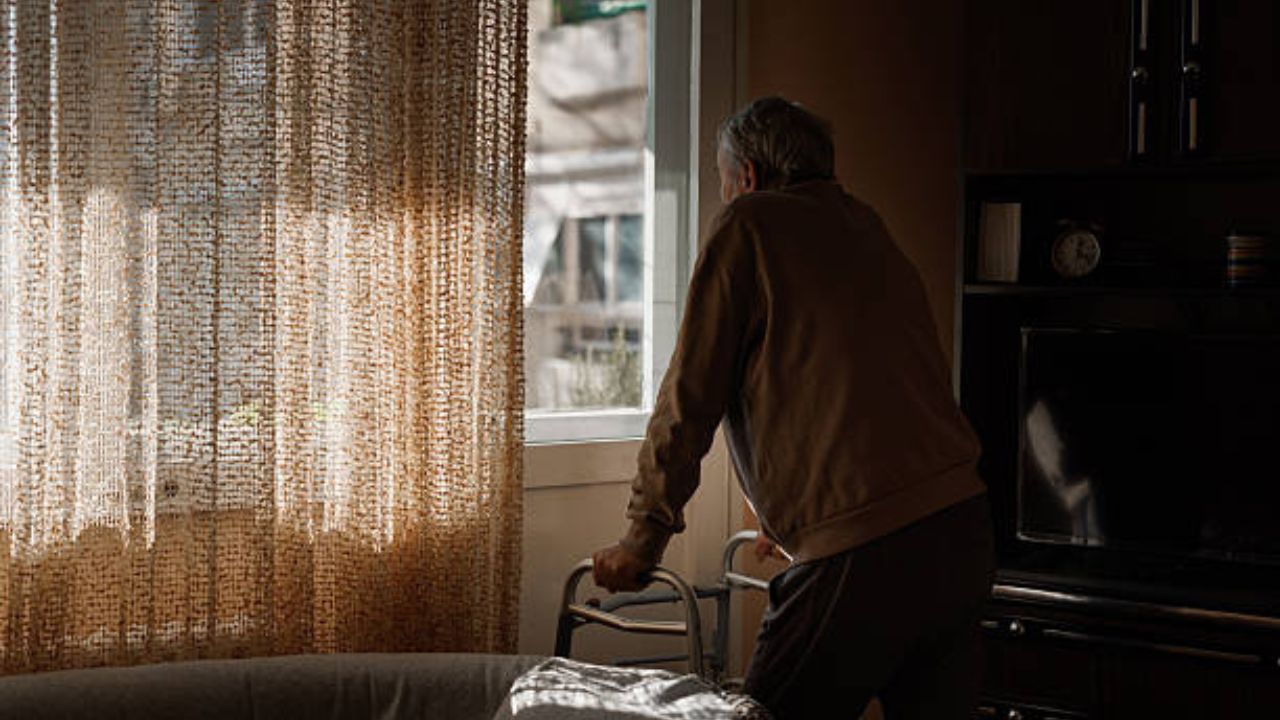
Living alone in your senior years comes with a kind of freedom that can be both wonderful and surprising. You can arrange your home however you like, follow your own schedule, and enjoy the peace of having nobody telling you what to do.
But there is another side to living alone that people rarely talk about. Beyond loneliness and household maintenance, you discover unexpected things about your habits, your emotions, your health, and even your relationship with ordinary objects around the house.
Some of these changes will make you smile, while others might catch you completely off guard. Whether you have lived alone for years or are just beginning this chapter of life, these 19 experiences reveal what living independently as an older adult is really like.
1. Your Relationship With Silence Changes in Unexpected Ways
When you live alone, silence becomes more than the absence of noise. Some days, it feels like a welcome escape from the demands of the outside world, while other days, the quietness of your home can feel strangely uncomfortable.
You might find yourself leaving the radio on while making breakfast or playing soft music in the background, even when you are not paying much attention to it. Over time, you also become familiar with the ordinary sounds of your home, from the refrigerator humming to the wind blowing through the trees outside.
Interestingly, these familiar sounds can become a source of comfort. When something suddenly changes, such as a dripping tap or an unusual creaking noise, you notice it almost immediately because you have become so accustomed to your surroundings.
2. Small Injuries Suddenly Feel Like Bigger Problems
A stubbed toe, a small kitchen burn, or a paper cut might seem like an ordinary inconvenience. However, when you live alone, even a minor injury can remind you that there is nobody nearby to help if something more serious happens.
This awareness often encourages you to become more careful with everyday activities. You might start keeping your phone within reach, using oven mitts more consistently, or taking extra precautions when handling heavy objects.
These habits are not necessarily signs of fear. They simply reflect the reality that preventing avoidable accidents becomes more important when you are responsible for your own immediate safety.
3. You Become More Aware of Your Health
When you share a home with someone, they might notice that you look unusually tired or seem less energetic than normal. Living alone means you may not have another person around to notice these small changes, so you gradually become more responsible for monitoring your own well-being.
You might start paying closer attention to persistent aches, unusual fatigue, changes in your appetite, or other symptoms that deserve attention. Keeping track of these changes and attending regular medical appointments can help you recognize when something needs further investigation.
You also learn the importance of listening to your body. Knowing when to rest, when to stay active, and when to contact a healthcare professional becomes an important part of maintaining your independence.
4. Ordinary Objects Start Carrying More Meaning
That old chair in the corner might be where you have enjoyed your morning coffee for years. The chipped mug you use every day or the lamp beside your bed might seem insignificant to someone else, but these objects can become deeply meaningful parts of your life.
When you live alone, your surroundings often become closely connected to your memories and daily routines. A dining table inherited from a family member or a photograph displayed on the wall can provide a comforting connection to people and experiences you cherish.
You might even find yourself talking to your plants or saying goodnight to your home before going to bed. These small habits can reflect the comfort you find in your familiar surroundings, making your home feel more personal and welcoming.
5. Familiar Household Sounds Become Comforting
The whistle of a kettle, the ticking of a clock, or the sound of your washing machine running can become surprisingly important parts of your day. These ordinary noises help mark time and give your home a familiar rhythm.
You might look forward to hearing the kettle boil every morning because it signals the start of your tea routine. Similarly, the sound of a familiar radio program can make breakfast feel more enjoyable, even when you are the only person at the table.
What you may not expect is how much you miss these sounds when they disappear. A broken appliance or a neighbor moving away can make your surroundings feel unusually quiet, reminding you that even ordinary background noises can contribute to your sense of comfort.

6. Unexpected Household Noises Can Startle You
Living alone can make you much more sensitive to the sounds your home produces. A sudden creak in the hallway, a pipe making a strange noise, or a branch brushing against a window might seem far more noticeable when nobody else is around.
At first, these sounds might leave you wondering whether something is wrong. Eventually, you learn to recognize the normal noises your home makes as temperatures change, pipes expand, and the building settles.
YOU MAY LIKE



Some people find comfort in playing soft music at night or leaving a hallway light on. Becoming familiar with your home’s ordinary sounds can also help you recognize when something genuinely needs attention.
7. Safety Becomes Part of Your Everyday Routine
When you live alone, personal safety becomes something you think about more regularly. You may become more careful about answering unexpected knocks, locking doors, or making sure your outdoor areas are properly lit.
You might also begin keeping your phone nearby, especially when moving around the house or doing activities that carry some risk of falling. Motion sensor lights, accessible emergency contacts, and medical alert devices can provide additional peace of mind when appropriate.
The important thing is that paying attention to safety does not mean you must live in fear. Taking sensible precautions can actually make you feel more confident because you know you have prepared for situations that might otherwise leave you vulnerable.
8. Grocery Shopping Becomes a Different Experience
Shopping for one person requires a different approach than shopping for a household. You begin noticing that food packages often contain more than you need, while certain fresh ingredients spoil before you have a chance to use them.
You might start buying smaller portions, freezing leftover bread, or planning meals around ingredients that need to be used first. These simple changes help reduce waste while making it easier to enjoy a variety of foods without constantly throwing things away.
Grocery shopping can also become an unexpected social activity. A brief conversation with a cashier or a friendly exchange with another shopper might become a welcome part of your week, especially when you spend much of your time at home.
9. Keeping Your Home Clean Requires More Motivation
You might assume that living alone makes cleaning easier because there is nobody else creating messes. While that can be true, another challenge appears when you realize that you are the only person responsible for keeping everything in order.
Without visitors or family members around, it can be tempting to postpone washing the dishes, folding laundry, or cleaning that dusty corner. Sometimes, the hardest part is not the work itself but finding the motivation to get started.
One helpful approach is to break household chores into smaller tasks rather than trying to clean everything at once. Spending five minutes tidying a room or setting aside a particular day for laundry can make the work feel more manageable.
Cleaning can also become a peaceful activity that gives you a sense of accomplishment. When your home feels fresh and organized, you may find that your surroundings become more enjoyable and comfortable.
10. You Become More Aware of How Much You Talk
Have you ever gone through most of a day and suddenly realized that you have barely spoken to another person? When you live alone, this can happen more often than you might expect.
Some older adults find themselves reading books aloud, narrating their activities, or talking to themselves while preparing meals. Others make a point of calling friends and family members more frequently because they enjoy having regular conversations.
You might even notice that your voice feels unfamiliar after a long period without speaking much. These experiences can encourage you to pay closer attention to your social habits and find simple ways to include more conversation in your daily routine.
11. Your Own Thoughts Become Regular Conversation Partners
Spending more time alone gives you more opportunities to think about your life, your memories, and the decisions you make each day. You might catch yourself talking through a problem aloud or debating whether to water the plants before or after breakfast.

This kind of self-talk can be a useful way to organize your thoughts and remember everyday tasks. It can also help you process emotions, reflect on past experiences, and make decisions without feeling pressured by another person’s opinions.
Over time, you may discover that you understand yourself better than you did when your days were filled with other people’s needs and conversations. Learning to enjoy your own company can become one of the most rewarding parts of living independently.
12. Your Definition of Companionship Expands
Many people think of companionship as spending time with friends, family members, or a romantic partner. However, living alone can teach you that comfort and connection can come from many different sources.
A pet waiting for you in the morning, a familiar radio presenter, or a favorite television show playing while you cook can bring a sense of warmth to your day. Even a brief conversation with a neighbor or a friendly cashier can make an ordinary outing feel more enjoyable.
These experiences do not replace meaningful human relationships, but they can make everyday life feel less isolated. You gradually learn to appreciate the small interactions and familiar routines that bring a little connection into your day.
13. Your Sleep Patterns May Change
Living alone gives you complete control over your bedtime, but that freedom can affect your sleeping habits in unexpected ways. Some people become lighter sleepers because they pay closer attention to noises around the house, while others sleep better without being disturbed by another person’s movements or snoring.
You might also find yourself going to bed earlier because nobody else is staying up late. Alternatively, you may start falling asleep with the television on because familiar voices make the room feel more comfortable.
Developing a relaxing bedtime routine can help make nights more enjoyable. Reading a book, listening to soft music, or preparing your bedroom for sleep can signal that it is time to wind down, while paying attention to unusual noises can help you address any genuine concerns.
14. Your Relationship With Food Changes
One of the biggest advantages of living alone is having complete control over what you eat and when you eat it. However, without shared mealtimes, it can become easy to skip meals, snack throughout the day, or rely too heavily on convenience foods.
Cooking for one person can also feel like too much work, especially when recipes produce more food than you need. Preparing a few meals in advance, freezing suitable portions, and choosing simple recipes can make eating well much easier.
You might also discover that eating alone brings up unexpected emotions. Certain dishes may remind you of meals you once shared with loved ones, while other meals become opportunities to enjoy some peaceful time for yourself.
Making your meals feel special can help you maintain a positive relationship with food. Using a favorite plate, trying a new recipe, or occasionally inviting someone over for dinner can turn an ordinary meal into something you genuinely look forward to.
15. You May Become More Attached to Familiar Possessions
A favorite chair can become much more than a place to sit when it has been part of your daily routine for years. The same can be true of an old sweater, a particular radio station, or a photograph that reminds you of an important period in your life.
These familiar possessions often represent comfort, memories, and a sense of continuity. When your home is quiet, the objects around you can provide a reassuring connection to the experiences and people who have shaped your life.
However, there is a difference between keeping meaningful belongings and holding on to everything out of nostalgia. You can preserve the objects that matter most while allowing yourself to let go of things you no longer need.
16. Small Traditions Become More Important
When you live alone, you have the freedom to create routines that suit your personality and preferences. Over time, these little traditions can become some of the most enjoyable parts of your day.

You might make fresh coffee slowly every morning, watch a favorite movie on Sunday afternoons, or put fresh flowers on the table every week. Another person might enjoy playing the same song while preparing breakfast or saving a favorite dessert for Friday evenings.
These habits may seem ordinary to someone else, but they can give your days a comforting sense of structure. They also remind you that happiness does not always require a special occasion, expensive outing, or another person to make the moment meaningful.
17. A Home Reset Can Improve Your Mood
When you live alone, you become more aware of how your surroundings affect the way you feel. A cluttered kitchen, an unmade bed, or a pile of unopened mail can make your home feel less peaceful, even when the mess seems relatively small.
This is why some older adults develop the habit of resetting their homes at the end of each day. They might wipe down the kitchen counters, straighten the cushions, put away unnecessary items, or prepare the coffee maker for the following morning.
These simple actions can make the next day feel easier before it even begins. The goal is not to maintain a perfect home but to create a space that supports your comfort, independence, and peace of mind.
18. Seasonal Changes Can Affect Your Mood More Than Expected
When you live alone, you may become more aware of how the changing seasons influence your daily routine and emotional well-being. Shorter days and long periods of cold or rainy weather can make staying indoors feel less enjoyable, particularly when opportunities for social activities become limited.
Finding small ways to embrace each season can help you maintain a sense of excitement throughout the year. You might create a cozy reading corner during colder months, start a craft project, try new soup recipes, or bring fresh flowers into your home when spring arrives.
Warmer weather can offer different opportunities, such as taking early morning walks or spending more time outdoors. Developing seasonal traditions gives you something to anticipate and helps you remain connected to the world beyond your front door.
EDITORS' RECOMMENDATIONS



19. Having Complete Freedom Can Feel Overwhelming
One of the greatest advantages of living alone is that you can make your own decisions without having to consult anyone else. You can rearrange your furniture, watch television late into the night, eat breakfast whenever you want, or spend an entire afternoon doing absolutely nothing.
However, having complete freedom also means that every decision rests with you. Without another person to help organize your schedule or offer an opinion, even simple choices can sometimes become surprisingly difficult.
Creating a few daily routines can provide useful structure without taking away your independence. You might reserve certain days for errands, establish a relaxing morning ritual, or plan a few enjoyable activities each week while leaving plenty of room for spontaneity.
Eventually, you may discover that the freedom you once found overwhelming is also one of the most rewarding parts of living alone. You learn to trust your own judgment, make decisions with greater confidence, and appreciate the opportunity to shape your days according to your needs.
Conclusion
Living alone in your senior years involves much more than managing household chores and getting through quiet days. It is a journey of adapting to change, discovering new habits, becoming more self-aware, and finding comfort in the ordinary moments that make up everyday life.
There will be challenges, but there is also a special kind of freedom that comes with having your own space and deciding how you want to live. Whether you find joy in small traditions, familiar household sounds, meaningful possessions, or simple conversations with others, every day offers opportunities to create a life that feels fulfilling.
Remember that living alone does not mean you have to feel disconnected from the world. By maintaining relationships, building comforting routines, taking care of your well-being, and learning to enjoy your own company, you can make this stage of life meaningful in your own way.