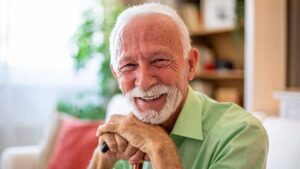
Growing older is a natural part of life, but how we experience our later years can look very different from one person to another. Some people in their 70s and 80s remain active, independent, and full of energy, while others begin to struggle with everyday activities they once handled without thinking twice.
The difference isn’t always expensive treatments, special supplements, or complicated health routines. Sometimes, it comes down to the small habits people practice consistently throughout their lives.
The good news is that it’s never too late to make positive changes. Whether you’re in your 60s, 70s, or well into your 80s, certain daily activities can support your physical health, keep your mind sharp, and help you maintain the independence that makes life enjoyable.
These five golden habits are simple enough to introduce into your everyday routine, and each one offers something valuable for healthy aging. Let’s look at what they are and how you can start putting them into practice.
1. Make Regular Walking Part of Your Daily Routine
Walking might seem like one of the simplest activities imaginable, but its benefits become increasingly important as we grow older. It’s an accessible form of exercise that helps keep your body moving without requiring expensive equipment or a gym membership.
Consider Margaret, a 75-year-old woman who started walking for just five minutes around her garden each morning. What began as a small attempt to become more active eventually turned into a 30-minute daily routine, which she now considers one of the best parts of her day.
One of the biggest advantages of regular walking is its effect on heart health. When you walk, your heart works harder to pump blood throughout your body, helping improve circulation and deliver oxygen and essential nutrients to your muscles and organs.
Walking also supports several other aspects of physical health. Staying active can help manage blood pressure, improve blood sugar control, and support a healthy body weight, all of which become increasingly important with age.
The benefits aren’t limited to your physical health, either. Walking encourages your body to release endorphins, which are natural chemicals that help improve your mood and reduce feelings of stress.
This can make a noticeable difference on days when you’re feeling lonely, anxious, or overwhelmed. A short walk outdoors can provide a refreshing change of scenery while giving you an opportunity to clear your mind and enjoy some fresh air.
Getting started doesn’t require a complicated exercise plan. If you haven’t been very active lately, begin with five to ten minutes at a comfortable pace and gradually increase your walking time as your body adjusts.
You can walk around your neighborhood, visit a nearby park, or even walk inside a shopping mall when the weather isn’t suitable for outdoor activities. The important thing is to find a routine that feels manageable enough to maintain.
Comfortable shoes are also worth investing in because proper support can make walking safer and more enjoyable. If you use a walking aid, make sure it’s correctly adjusted, choose level surfaces when starting, and take breaks whenever you need them.
Walking with a friend or family member can make the experience even better. Besides giving you someone to talk to, having a walking partner can help you stay motivated and turn exercise into something you genuinely look forward to.
2. Pay Closer Attention to What You Eat
Nutrition becomes increasingly important as the body ages, yet maintaining healthy eating habits can sometimes become more challenging. Changes in appetite, energy levels, and daily routines can make it easier to rely on convenient foods that don’t always provide the nutrients your body needs.
However, eating well doesn’t mean following a strict diet or giving up every food you enjoy. It simply means making more thoughtful choices and giving your body the nutrients it needs to remain strong and healthy.
David, an 82-year-old man, discovered this after making a few simple changes to his eating habits. He was surprised by how much better he felt and even noticed that he had more energy than he remembered having ten years earlier.
One good place to start is by including more natural, whole foods in your meals. Fresh fruits, vegetables, whole grains, and lean sources of protein provide important vitamins, minerals, and other nutrients that support different functions throughout the body.

Fruits and vegetables, for example, contain antioxidants and other beneficial nutrients that help protect cells and support overall health. Whole grains provide fiber, while protein helps maintain muscle mass, which naturally becomes harder to preserve as we get older.
You don’t need complicated recipes to enjoy these benefits. A bowl of oatmeal with berries and nuts makes a nutritious breakfast, while a whole-grain sandwich with vegetables and lean protein can provide a satisfying lunch.
YOU MAY LIKE



For dinner, grilled fish with roasted vegetables is another simple option that combines protein with important vitamins and minerals. Even something as basic as a boiled egg, whole-grain toast, and a piece of fruit can make a good breakfast when you don’t feel like preparing a complicated meal.
Planning your meals ahead of time can also make healthy eating easier. Preparing extra portions while cooking allows you to save some food for another day, reducing the time and energy needed to prepare every meal from scratch.
Another important part of healthy eating is staying hydrated. As people grow older, their sense of thirst may become less noticeable, making it easier to go several hours without drinking enough water.
Keeping a water bottle nearby can serve as a simple reminder to drink throughout the day. Herbal teas can also provide a comforting way to increase your fluid intake.
Healthy eating doesn’t have to become an expensive habit, either. Planning grocery lists, shopping during quieter hours, looking for discounts, and buying affordable seasonal produce can help you make better choices without putting unnecessary pressure on your budget.
If preparing meals or visiting the grocery store becomes difficult, consider asking family members for assistance or exploring grocery delivery options. Remember, even small improvements, such as adding another serving of vegetables to dinner, can help you build healthier eating habits over time.
3. Keep Your Brain Active by Learning New Things
Taking care of your mind is just as important as looking after your physical health. While many people focus on exercise and nutrition as they get older, keeping the brain engaged is another valuable habit that deserves attention.
Rose, a 78-year-old woman, discovered this after retirement when she decided to spend more time painting and solving puzzles. Instead of allowing her days to become repetitive, she started exploring activities that challenged her mind and gave her something interesting to look forward to.
Keeping your brain active involves regularly giving it opportunities to think, learn, remember, and solve problems. Activities that introduce new challenges can help maintain cognitive skills and encourage continued mental engagement.
Reading is one of the easiest ways to make this part of your daily routine. Whether you enjoy novels, biographies, newspapers, or educational books, reading encourages concentration, memory, and imagination.
You can make the experience even more enjoyable by joining a book club. This gives you an opportunity to discuss what you’ve read, exchange opinions, and enjoy conversations with people who share similar interests.
Puzzles are another excellent way to exercise your mind. Crossword puzzles, Sudoku, and jigsaw puzzles encourage problem-solving and help keep your brain engaged while giving you a satisfying sense of accomplishment.
You don’t have to start with difficult challenges, either. Choose puzzles that match your current ability and gradually increase the difficulty as you become more comfortable.
Learning an entirely new skill can be especially rewarding. Perhaps you’ve always wanted to play a musical instrument, learn another language, try watercolor painting, or become better at using a computer.
Retirement and older age don’t mean your learning days are over. In fact, having more time to explore personal interests can make this an excellent opportunity to discover talents and hobbies you never had time to develop earlier in life.

Social activities also provide valuable mental stimulation. Conversations with friends and family require you to listen, remember information, express ideas, and respond to different situations.
You can strengthen this habit by joining a local club, attending community gatherings, or arranging regular conversations with people you enjoy spending time with. Simple mindfulness activities, such as meditation and focused breathing, can also help you manage stress and improve concentration.
The most important thing is to choose activities that genuinely interest you. When learning becomes something you enjoy rather than another responsibility, you’re more likely to keep doing it consistently.
4. Include Gentle Strength Training in Your Routine
Many older adults believe strength training is only for younger people or those interested in building large muscles. However, maintaining muscle strength becomes especially important as we age because it directly affects our ability to perform everyday activities independently.
Tom, a 76-year-old man, experienced this firsthand. He initially struggled with simple tasks such as opening jars, but after six months of gentle strength exercises, he regained enough strength to handle his grocery shopping and help his grandchildren in the garden.
As people get older, they naturally begin to lose muscle mass and strength through a process known as sarcopenia. This gradual decline can make everyday movements more difficult, affecting everything from climbing stairs to carrying shopping bags.
Strength training can help slow this process and improve the muscles needed for daily activities. It doesn’t require heavy weights or expensive gym equipment, as several useful exercises can be performed at home.
One simple exercise is the chair stand. Start by sitting in a sturdy chair, then slowly stand up and return to a sitting position while maintaining control.
This movement works the muscles in your legs and core, which help you walk, climb stairs, and maintain stability. If necessary, you can use the chair’s armrests for support before gradually attempting the movement without assistance.
Wall push-ups are another useful exercise. Stand facing a wall, place both hands against it, and slowly bend your elbows to bring your upper body closer before pushing yourself back.
This exercise helps strengthen your arms, shoulders, and chest without requiring you to lift heavy weights. You can adjust the difficulty by changing your distance from the wall.
Even ordinary household activities can contribute to maintaining strength. Gardening, carrying lightweight objects, and performing certain household chores can help keep your muscles engaged throughout the day.
Strength training also offers benefits beyond muscle development. Regular resistance exercises can support bone health, improve balance and coordination, and make everyday movements feel easier.
However, safety should always come first. Start with a few repetitions, use a sturdy chair or other appropriate support when necessary, and increase the difficulty gradually as your strength improves.
Stop if you experience pain, dizziness, or unusual discomfort, and consider speaking with a healthcare professional before beginning a new exercise routine, especially if you have existing health concerns. A senior fitness class can also be a helpful starting point because qualified instructors can demonstrate suitable exercises and correct techniques.
Remember, the goal isn’t to become the strongest person in the room. It’s to maintain enough strength to continue enjoying the activities that make your life meaningful.
5. Maintain Strong Social Connections and Friendships
The fifth golden habit is one that many people underestimate when thinking about healthy aging. Maintaining meaningful relationships and staying socially connected can have a powerful influence on your emotional well-being and overall quality of life.

Consider Eleanor, an 83-year-old woman who experienced loneliness after losing her husband. Her days became difficult until she decided to join a local gardening club, where she gradually formed new friendships and discovered a renewed sense of purpose.
Her experience highlights something important about growing older. Physical health matters, but having people to talk to, laugh with, and share experiences with can make everyday life much more enjoyable.
Social isolation and loneliness can negatively affect both mental and physical well-being. Research discussed in the original video highlights the importance of strong social relationships, with findings suggesting that socially connected older adults may experience better longevity than those who remain isolated.
Meaningful interactions can also help reduce stress and improve emotional well-being. Sharing a laugh, having a thoughtful conversation, or simply enjoying someone’s company can provide comfort and remind you that you’re not facing life alone.
One way to build stronger connections is through volunteering. Helping at a community garden, reading to children at a local library, or sharing your knowledge with younger generations can give you a sense of purpose while introducing you to new people.
Technology offers another opportunity to stay connected, especially when family members live far away. Video calls allow you to see and speak with children, grandchildren, and old friends without having to travel long distances.
If you’re unfamiliar with smartphones or video calling applications, consider attending a basic computer or technology class designed for older adults. You don’t need to become an expert because learning a few simple features can make staying in touch much easier.
Joining groups that match your interests is another practical way to develop friendships. Book clubs, gardening groups, walking clubs, craft circles, and religious communities provide regular opportunities to meet people and share enjoyable experiences.
EDITORS' RECOMMENDATIONS



Consistency is important because meaningful friendships often develop through repeated interactions. Attending the same activities regularly gives you time to become familiar with others and gradually build stronger relationships.
Even small everyday conversations deserve attention. Saying hello to a neighbor, chatting with someone at the local shop, or exchanging a few friendly words with another person at the park can make your day feel less lonely.
If you’ve lost touch with an old friend, consider reaching out. A simple phone call or message can reopen a connection that once brought happiness into your life.
It’s never too late to make new friends or strengthen existing relationships. Sometimes, one invitation, one conversation, or one decision to leave the house can open the door to a much more fulfilling social life.
Conclusion
Healthy aging doesn’t require you to change your entire life overnight. As these five golden habits show, regular walking, nutritious eating, mental stimulation, gentle strength training, and strong social connections can all contribute to a healthier and more fulfilling later life.
The best approach is to start with one habit that feels realistic and enjoyable. It could be taking a short morning walk, adding more vegetables to your meals, learning a new hobby, or calling an old friend you’ve not spoken to in a while.
Remember, every small positive step matters. Your golden years can still be filled with energy, independence, meaningful friendships, and happiness when you make your health and well-being a priority.