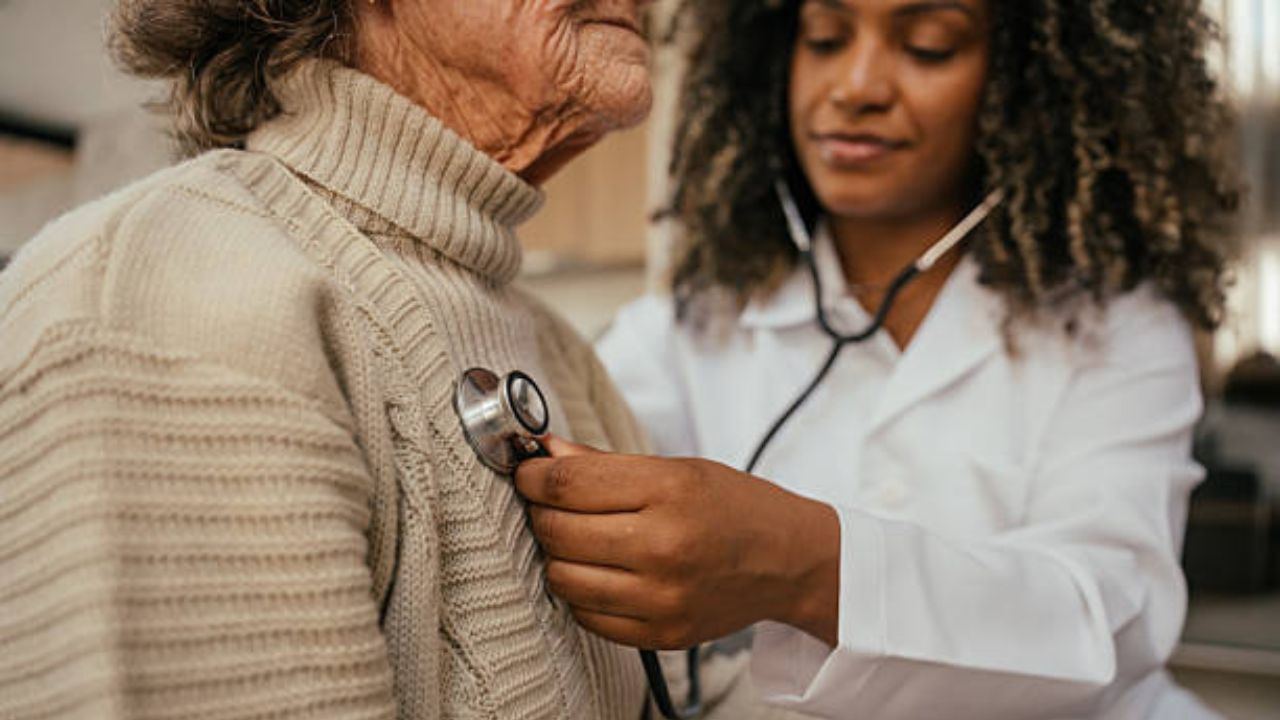
Reaching your 80s is something worth celebrating. It represents decades of experiences, memories, lessons, and challenges overcome. But while living to 80 is a wonderful milestone, staying healthy, active, and independent during those later years is an entirely different challenge.
Many older adults assume that feeling weaker, forgetting things more often, or struggling to sleep is simply part of getting old. They accept these changes without realizing that some of them may be connected to health problems that have been quietly developing for years.
The truth is that aging affects everyone differently. Some people remain active and independent well into their 90s, while others begin struggling with everyday activities shortly after turning 80. The difference isn’t always about genetics or luck. Certain lifestyle habits and overlooked health issues can have a significant impact on how well the body handles aging.
There are four hidden problems that deserve more attention as we get older. They include chronic inflammation, muscle loss, poor sleep, and loneliness. Each one can gradually weaken the body and mind, making it harder to enjoy the independence and freedom that should come with old age.
The good news is that understanding these problems gives you an opportunity to take action. Let’s look at what’s happening inside the aging body and what you can do to protect your health.
1. Silent Inflammation Slowly Wears Down Your Body
One of the biggest threats to good health in old age isn’t always an illness you can easily recognize. Sometimes, the problem starts quietly inside the body and continues developing without causing obvious symptoms. Doctors often refer to this process as inflammaging, which describes the chronic, low-grade inflammation associated with aging.
Unlike the inflammation that causes swelling after an injury, this type can remain hidden for years. You might not experience obvious pain or discomfort, but the ongoing inflammatory activity can gradually affect different parts of your body.
Several everyday habits can contribute to chronic inflammation. Poor sleep, limited physical activity, prolonged stress, diets high in heavily processed foods, and exposure to environmental pollutants can all play a role.
The worrying part is that inflammation doesn’t affect just one area. It can interfere with the health of your heart, brain, joints, and immune system, making it harder for your body to function properly as you grow older.
Consider George, an 82-year-old man who had always tried to maintain a healthy lifestyle. He didn’t smoke or drink, and he made an effort to walk every day, yet he constantly felt tired, stiff, and mentally foggy.
At first, he couldn’t understand what was happening because his routine blood tests didn’t reveal an obvious problem. After visiting a specialist, however, he discovered that certain inflammatory markers in his body were elevated.
His experience highlights an important point about aging. You can appear relatively healthy on the outside while still having underlying health issues that deserve medical attention.
As people grow older, their bodies may become less effective at regulating inflammatory responses. Habits that seemed harmless in their 50s or 60s can have a greater impact when the body has less ability to recover from ongoing stress.
Chronic inflammation is also associated with several age-related health conditions, including cardiovascular disease, cognitive decline, and physical frailty. It doesn’t mean that inflammation automatically causes these conditions, but keeping it under control is an important part of protecting long-term health.
So, what can older adults do about it?
Start by paying closer attention to everyday food choices. Instead of relying heavily on packaged snacks and heavily processed meals, try including more vegetables, fruits, beans, nuts, whole grains, and other nutrient-rich foods in your regular diet.
Movement matters too. You don’t need an expensive gym membership or an exhausting exercise routine to support your health. A comfortable daily walk, gentle stretching, or simple activities around the house can help you stay active.
Getting enough sleep and managing stress are equally important. These habits won’t eliminate every source of inflammation, but they can support healthier aging.
The goal isn’t to make dramatic changes overnight. It’s to build small habits that help your body remain stronger and more resilient as the years pass.
2. Muscle Loss Makes Everyday Activities More Dangerous
Have you noticed that some older people struggle to get out of a chair, climb stairs, or carry groceries even though they don’t appear seriously ill? One possible explanation is age-related muscle loss, a condition known as sarcopenia.

Muscle loss happens gradually as people age, and it can become more noticeable after 60. By the time someone reaches their 80s, reduced muscle strength can make ordinary activities increasingly difficult.
The problem is that many people don’t recognize the early warning signs. They might notice that opening a jar requires more effort or that standing up takes longer than it used to. Others begin avoiding stairs because their legs feel weaker or less steady.
YOU MAY LIKE



These changes might seem like ordinary signs of aging, but they deserve attention. Muscle does much more than help you lift heavy objects or perform physical activities.
Your muscles support your joints, help maintain balance, and contribute to blood sugar regulation and metabolism. They also play an important role in protecting you from falls and helping you recover from physical challenges.
When muscle strength declines, even a relatively minor accident can have serious consequences.
Consider Frank, an 84-year-old man who was still living independently. He was cheerful, mentally alert, and believed he was doing reasonably well for his age.
One afternoon, however, he tripped over a rug and broke his hip. Before the accident, he had never considered himself particularly weak, but the fall made him realize that his physical strength had declined more than he understood.
Unfortunately, this is one of the reasons muscle loss becomes especially dangerous in old age. A serious fall can lead to hospitalization, surgery, and weeks of reduced movement.
When someone spends extended periods in bed, their muscles can become even weaker. This creates a difficult cycle where reduced strength makes movement harder, and less movement causes further muscle loss.
Eventually, some older adults begin depending on walking aids or other people for activities they previously handled themselves. Their independence becomes limited, and even simple tasks can start feeling like major challenges.
However, muscle loss doesn’t have to mean giving up on physical strength. Although aging naturally affects muscle mass, appropriate exercise and nutrition can help slow the process and improve strength at any age.
Walking regularly is a good starting point because it encourages movement and helps maintain mobility. However, walking alone may not provide enough resistance to preserve all the muscles you need.
Simple strength exercises can make a difference. Depending on your ability, these might include standing up and sitting down from a sturdy chair, using light resistance bands, or lifting small weights.
Getting enough protein is also important because your muscles need it to repair and maintain themselves. Older adults should pay attention to their nutrition and discuss their individual protein needs with a healthcare professional, especially if they have kidney disease or other medical conditions.
The goal isn’t to become a bodybuilder or compete with younger people. It’s to maintain enough strength to get out of bed, walk safely, prepare meals, visit friends, and enjoy everyday activities without constantly needing assistance.
Your muscles are among the most important tools for maintaining independence. Protecting them should remain a priority long after retirement.
3. Poor Sleep Weakens Your Body and Affects Your Memory
Many people expect their sleeping habits to change as they get older. They might go to bed earlier, wake up before sunrise, or find themselves getting out of bed several times throughout the night.
While sleep patterns naturally change with age, constantly struggling to get restful sleep shouldn’t automatically be dismissed as something every older person must accept.
After 80, poor sleep can affect several important functions in the body. It can leave you feeling exhausted during the day, make it harder to concentrate, and contribute to problems with memory and mood.

Sleep is not simply a period when your body stops working. It’s an important part of the recovery process that helps keep your brain and body functioning properly.
During sleep, the body carries out several maintenance activities. The brain also clears certain waste products, while the immune system continues performing functions that help protect you against infections and illness.
When sleep becomes consistently interrupted or too shallow, these processes can be affected. Over time, older adults may notice changes in their energy levels, mental sharpness, and ability to handle everyday activities.
Consider Alice, an 86-year-old woman who regularly woke up three or four times every night. She didn’t think much about it because she assumed interrupted sleep was simply part of getting older.
However, she gradually began experiencing more problems. Her memory seemed less reliable, she felt tired throughout the day, and she started catching colds more frequently.
After discussing her concerns with her doctor, she learned that sleep played a much bigger role in her overall health than she had realized. She began paying closer attention to her sleeping habits, and over time, she noticed improvements in her energy and general well-being.
Alice’s experience is a reminder that sleep deserves the same attention as nutrition and physical activity. You shouldn’t have to spend every day feeling exhausted simply because you’ve reached a certain age.
Fortunately, a few simple habits can help improve sleep quality.
First, try maintaining a consistent bedtime and waking time. Going to bed and getting up at roughly the same time every day helps establish a regular sleep routine.
Pay attention to caffeine and alcohol consumption as well. Caffeine, particularly later in the day, can make falling asleep more difficult, while alcohol may interfere with sleep quality even if it initially makes you feel sleepy.
Getting natural sunlight in the morning can also help regulate your body’s internal clock. Spending some time outdoors during the day, even for a short walk, may support a healthier sleep pattern.
Your bedroom environment matters too. Try keeping the room cool, dark, and quiet so that your surroundings encourage relaxation rather than interrupting your sleep.
Gentle physical activity during the day can also help, provided it suits your health and mobility. Even simple movement around the house can be better than spending the entire day sitting.
Most importantly, don’t ignore persistent sleeping problems. Conditions such as sleep apnea, chronic pain, and certain medications can interfere with sleep, and a healthcare professional can help identify the cause.
The goal isn’t necessarily to sleep for as many hours as possible. It’s to get enough restorative sleep to support your memory, energy, immune function, and ability to enjoy your daily life.
4. Loneliness and Losing Your Sense of Purpose Can Affect Your Health
Of the four problems discussed here, loneliness is perhaps the easiest to overlook because it doesn’t always look like a medical issue. However, spending too much time socially isolated can affect both emotional and physical well-being, particularly during old age.
As people move into their 80s, their social circles often become smaller. Friends pass away, spouses die, children move to different cities, and physical limitations make it harder to leave the house.
Slowly, a person who once had a busy social life may find themselves spending most of their days alone. They might prepare their meals, watch television, take care of the house, and go to bed without having a meaningful conversation with anyone.
Consider Bill, an 88-year-old man whose wife passed away five years earlier. His adult children lived in different states, so he spent most of his days watching television, preparing meals, and keeping his home tidy.

Although he could still manage many things independently, he admitted that some days passed without speaking to another person. What he missed most wasn’t having someone make noise around the house. He missed feeling needed and knowing that his presence mattered to someone.
This is something many older adults experience but rarely discuss openly. Losing a spouse, retiring from a long career, or becoming less involved in the community can leave people feeling as though they’ve lost an important part of their identity.
For decades, they might have been parents, employees, business owners, caregivers, or active members of their neighborhoods. Suddenly, many of those responsibilities disappear, leaving them wondering what their days are supposed to look like.
That loss of purpose can become emotionally exhausting. When someone feels disconnected from the people around them, they may lose motivation to stay active, maintain healthy routines, or participate in activities they once enjoyed.
Research has linked social isolation and loneliness with increased risks of several health problems, including depression, cognitive decline, and cardiovascular disease. Social connection is therefore an important part of healthy aging, not simply something that makes life more entertaining.
But here’s something worth remembering: finding purpose doesn’t require doing something extraordinary. You don’t need to start a business, travel around the world, or take on complicated responsibilities to feel that your life still matters.
Sometimes, purpose comes from the smallest activities. Watering your plants every morning, feeding the birds, writing a letter to a relative, or checking on a neighbor can give your day a meaningful routine.
You can also make a habit of calling a friend or family member regularly. Even a short conversation can make a difference when someone has spent most of the day alone.
If getting outside has become difficult, look for ways to maintain social contact from home. Phone calls, video conversations, and visits from loved ones can help older adults feel connected even when mobility becomes a challenge.
EDITORS' RECOMMENDATIONS



Family members also have an important role to play. Don’t assume that an older parent or grandparent is perfectly happy simply because they have food, shelter, and a comfortable place to sleep.
Sometimes, what they need most is someone willing to listen, spend time with them, or ask about their experiences. Making older relatives feel included and appreciated can have a meaningful impact on their emotional well-being.
It’s also important to understand that enjoying solitude is not the same as experiencing loneliness. Some people genuinely enjoy quiet time, and there’s nothing wrong with that. The problem begins when someone feels disconnected, forgotten, or unwanted.
If you’re over 80, or you have an older person in your family, ask a simple question: What gives you something to look forward to each day?
That question might reveal more about their well-being than you expect. Having a reason to wake up, stay active, and connect with others can be just as important to healthy aging as taking care of the physical body.
Conclusion
Living beyond 80 is a wonderful milestone, but maintaining your strength, independence, and peace of mind requires attention to more than just your physical health. Chronic inflammation, muscle loss, poor sleep, and loneliness can gradually affect the way you feel, think, and function as you get older.
The important thing is not to approach aging with fear. Instead, understand what your body needs and make small, consistent changes that support your well-being. Eat nourishing foods, stay physically active, prioritize restful sleep, and make room for meaningful relationships and daily purpose.
Aging doesn’t have to mean giving up on the things that make life enjoyable. It’s about protecting what matters most, taking care of yourself, and continuing to find reasons to enjoy each new day.