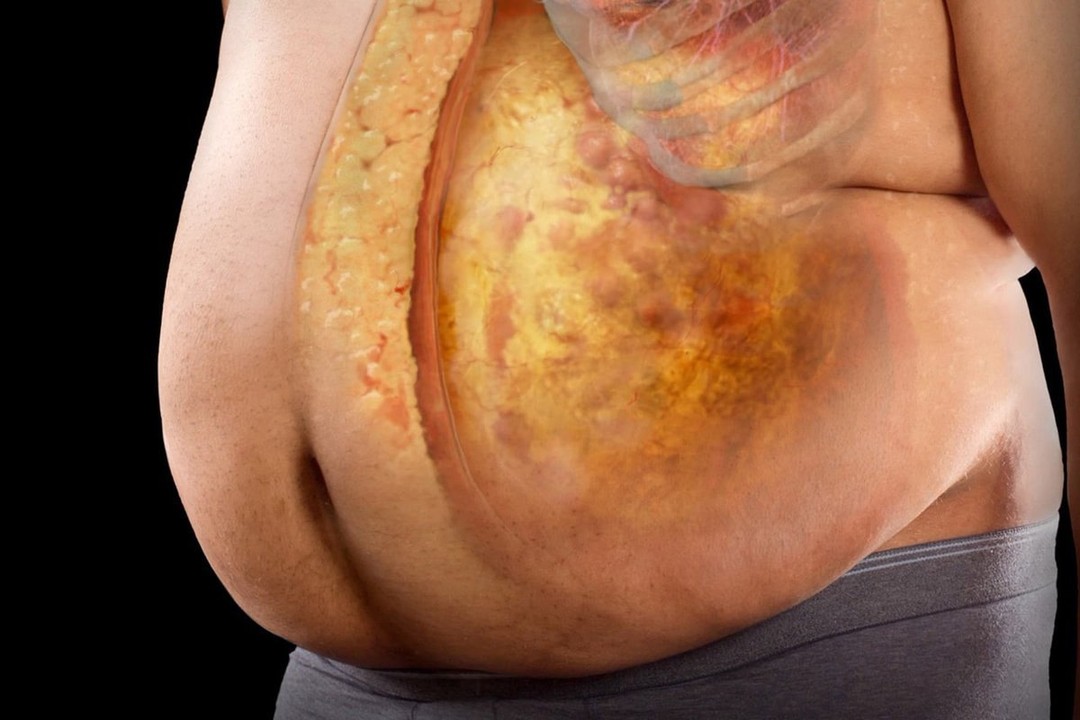
Belly fat can be frustratingly easy to gain and stubbornly difficult to lose. For many people, it is the first place fat appears and the last place it seems to leave. What makes it even more concerning is that belly fat is not just about appearance.
There are actually two types of belly fat.
The first is subcutaneous fat, the soft layer stored beneath the skin that sits over your abdominal muscles. This is the visible belly fat many people want to reduce.
The second is visceral fat, a deeper and more dangerous type of fat stored around internal organs. Excess visceral fat has been linked to serious health issues, including heart disease, insulin resistance, and metabolic problems.
The good news is that belly fat can be reduced. But contrary to what fad diets and ab-focused workouts suggest, the process does not rely on gimmicks or shortcuts.
According to leading fitness and nutrition experts, losing belly fat comes down to a few science-backed principles done consistently over time.
Here are five powerful steps to help you lose belly fat and keep it off.
1. Create a Consistent Calorie Deficit
If there is one principle almost every fat loss expert agrees on, it is this: you need a calorie deficit to lose body fat.
A calorie deficit happens when you consume fewer calories than your body burns over time. This forces your body to use stored fat for energy.
And yes, that includes belly fat.
One common myth is that you can target belly fat specifically with crunches, ab workouts, or certain “fat-burning” exercises. Unfortunately, spot reduction does not work.
Doing endless sit-ups will strengthen your abdominal muscles, but it will not selectively burn fat from your stomach.
Instead, the key is reducing overall body fat through sustainable nutrition habits.
Focus on Foods You Can Actually Stick With
Rather than following restrictive diets you hate, build your nutrition around foods you genuinely enjoy while keeping them reasonably healthy.
A simple approach is choosing favorite foods from these major food groups:
- Lean protein sources like chicken, fish, eggs, or Greek yogurt
- Healthy fats like avocado, nuts, or olive oil
- Fiber-rich vegetables
- Quality starches like potatoes, rice, or oats
- Dairy or dairy alternatives
- Fruits you enjoy
When your diet includes foods you look forward to eating, consistency becomes much easier.
And consistency beats perfection every time.
Prioritize Protein
Protein plays a huge role in fat loss, including belly fat reduction.
It helps:
- Preserve muscle while dieting
- Increase fullness and reduce hunger
- Support metabolism through a higher calorie-burning effect during digestion
A practical starting point is around 0.7 grams of protein per pound of body weight.
That alone can improve body composition while making fat loss more manageable.
Pay Attention to Fat Quality
When it comes to visceral fat, the type of dietary fat you eat may matter.
Research suggests diets high in saturated fats may promote greater visceral fat storage compared with diets richer in polyunsaturated fats.
That means it may help to include more foods like:
- Fatty fish
- Walnuts
- Seeds
- Olive oil
Small changes like this can support both fat loss and long-term health.
2. Use Exercise to Reduce Fat and Protect Your Results
Diet drives fat loss, but exercise plays a huge supporting role. And not just cardio.

Strength Training Should Be a Priority
Many people think losing belly fat means doing more cardio. But resistance training may be even more important.
Lifting weights helps preserve muscle while losing fat, which matters for several reasons.
First, keeping muscle helps you look leaner and more defined as body fat drops.
YOU MAY LIKE



Second, maintaining muscle can help reduce the likelihood of regaining fat after your diet ends.
People who lose weight without preserving muscle often end up looking smaller but not necessarily leaner. Strength training helps avoid that.
Aim to include resistance training several times per week, focusing on major movement patterns like:
- Squats
- Push exercises
- Pull exercises
- Hinges like deadlifts
- Core stability work
You do not need a complicated routine. You just need consistency.
Cardio Still Has a Role
While cardio is not mandatory for fat loss, it can be extremely useful. It increases calorie expenditure and helps offset something many people overlook during dieting.
When calories drop, spontaneous movement often drops too. You may fidget less, walk less, or move less without realizing it.
This reduction in daily activity can slow progress. Cardio helps keep energy expenditure higher.
Even simple activities can help:
- Daily walks
- Taking the stairs
- Parking farther away
- Cycling
- Light jogging
- Recreational sports
Movement adds up. And importantly, exercise can reduce visceral fat even when body weight does not change much.
That alone makes it worth doing.
3. Stop Ignoring Sleep
Sleep is one of the most underrated factors in belly fat loss. Many people focus on diet and exercise while neglecting recovery. That can be a major mistake.
Poor Sleep Can Promote Belly Fat Gain
Research has shown sleep restriction may increase calorie intake and encourage fat storage around the abdomen.
In one study, subjects sleeping only four hours per night consumed more calories and gained significantly more visceral fat than those getting adequate sleep.
That is alarming.
Even more interesting, much of that fat gain appeared to favor the belly region.
This suggests poor sleep may do more than increase hunger. It may influence where fat gets stored.
Sleep Affects Fat Loss Too
Even during dieting, poor sleep can work against you.
Studies show sleep-deprived dieters may lose:
- Less fat
- More muscle
- Experience greater hunger
That is a terrible combination for long-term success.
Make Sleep a Fat Loss Tool
Treat sleep like part of your plan, not an afterthought.
Aim for around seven to nine hours per night whenever possible.

Helpful sleep habits include:
- Going to bed at a consistent time
- Limiting screens before bed
- Reducing caffeine late in the day
- Keeping your room cool and dark
- Creating a relaxing nighttime routine
Improving sleep may help fat loss more than many supplements ever could.
4. Be Patient With Stubborn Belly Fat
This may be the hardest truth to accept.
Belly fat is often the last fat to go.
For many people, progress shows up first in the face, shoulders, arms, or legs long before the stomach noticeably changes.
That does not mean your plan is failing. It means your body is following its own fat loss pattern.
And that requires patience.
Avoid the Biggest Mistake
Many people start making progress, see slow changes in the belly area, then panic.
They slash calories harder, They add excessive cardio.
They push themselves into unsustainable extremes. Then they burn out.
This is where many transformations die.
Usually not because the plan was not working. But because the person quit too early.
Track More Than the Scale
Progress is not just body weight.
Use multiple measures:
- Waist measurements
- Progress photos
- How clothes fit
- Strength improvements
- Energy levels
- How you feel overall
Sometimes the scale moves slowly while your body composition improves dramatically. If you only focus on stomach fat every day, you may miss signs of real progress.
Trust the Process
Fat loss often feels slow until suddenly it does not.
Many people quit right before visible results start showing.
Stay with the process.
Consistency compounds.
5. Make Consistency the Real Goal
This final step ties everything together.
The best diet will fail without adherence. The best workout plan means little without consistency.
And even the best strategies cannot overcome impatience.
The real secret to losing belly fat is not finding a magical trick. It is sticking to effective basics long enough for them to work.
Focus on Sustainable Habits
Build a plan you can realistically maintain.
That might include:

- Eating in a moderate calorie deficit
- Getting enough protein
- Strength training regularly
- Staying active daily
- Prioritizing sleep
- Monitoring progress without obsessing
Simple habits repeated consistently beat extreme plans abandoned after two weeks. Every time.
Think Beyond “Dieting”
Do not treat fat loss as a temporary punishment. Treat it as building a lifestyle.
That mindset changes everything.
When your habits are sustainable, maintaining results becomes much easier. And that is what most people actually want.
Not just losing belly fat. But keeping it off.
Common Belly Fat Myths to Stop Believing
Before wrapping up, let’s clear up a few myths that often sabotage progress.
Myth 1: Ab Exercises Burn Belly Fat
They strengthen muscles. They do not directly burn stomach fat.
Myth 2: Cardio Is the Only Way to Lose Belly Fat
Diet and resistance training matter just as much, often more.
Myth 3: Certain Foods Melt Belly Fat
No food magically targets belly fat. Overall calorie balance matters far more.
Myth 4: If Belly Fat Is Not Changing Fast, Your Plan Is Broken
Often it just means you need more time. Patience is part of the process.
Final Thoughts
Losing belly fat does not require extreme diets, endless crunches, or punishing workouts.
It requires a proven system.
EDITORS' RECOMMENDATIONS



The science-backed formula is surprisingly straightforward:
- Create a sustainable calorie deficit
- Prioritize strength training and stay active
- Protect your sleep
- Stay patient through stubborn phases
- Commit to consistency over perfection
That is how both subcutaneous and visceral belly fat come down.
There is no shortcut around doing the basics well.
But there is good news in that.
Because those basics work.
Your belly fat did not appear overnight, and it will not disappear overnight either.
But with the right approach and enough consistency, progress will come.
Stay patient.
Trust the process.
And keep going long enough to see the results most people quit before reaching.