
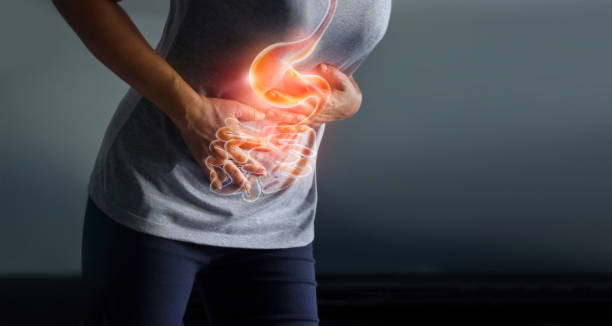
Your gut does far more than digest food. It influences your immune system, inflammation levels, mood, cravings, metabolism, and even brain function. Scientists often refer to the gut as a second brain, and for good reason.
Inside your digestive tract live trillions of microorganisms collectively known as the gut microbiome. When these microbes are balanced and diverse, they support health in remarkable ways.
When they become depleted or disrupted, problems can begin to show up in unexpected places, from bloating and constipation to skin issues, low energy, poor immunity, and weight struggles.
The good news is that improving your gut health does not have to be complicated.
Much of it comes down to two major goals:
- Increasing the diversity of your gut microbes
- Feeding and supporting beneficial bacteria already living there
If you focus on those two things consistently, your gut can become far more resilient over time.
Here are six science-backed ways to support a healthier gut naturally.
1. Eat More “MACs” to Feed Your Gut Bacteria
One of the most important things you can do for your gut is feed your microbes what they actually thrive on.
Scientists call these foods MACs, short for microbiota accessible carbohydrates. These are special carbohydrates your body does not digest, but your gut bacteria do.
When your microbes ferment these carbs, they produce compounds called short-chain fatty acids. These powerful substances help:
- Strengthen the gut barrier
- Reduce inflammation
- Support immune function
- Improve digestion
- Positively influence mood and brain health
In other words, when you feed your gut microbes well, they return the favor.
What Foods Contain MACs?
Most MACs come from fiber-rich plant foods, including:
- Beans and lentils
- Oats
- Apples
- Bananas
- Garlic
- Onions
- Asparagus
- Sweet potatoes
- Whole grains
- Nuts and seeds
- Leafy greens
- Berries
Many of these foods also act as prebiotics, which serve as food for beneficial bacteria.
Think of prebiotics as fertilizer for your inner ecosystem.
Why Fiber Diversity Matters
Eating fiber is important, but eating a variety of fibers matters even more.
Different bacteria feed on different fibers. The more diverse your plant intake, the better chance you have of supporting a richer microbial community.
Some experts even recommend aiming for 30 different plant foods per week. That includes vegetables, fruits, herbs, legumes, grains, nuts, and seeds.
It may sound like a lot, but diversity adds up fast.
A smoothie with spinach, banana, flax, oats, and berries already gives you five.
What Happens When You Don’t Feed Your Microbes?
This is where it gets fascinating.
When gut bacteria are starved of fiber, some can begin feeding on the mucus lining of the gut instead. That lining protects your intestinal barrier.
In simple terms, if your microbes do not have enough food, they may start feeding on you.
That is one reason fiber is not just about preventing constipation. It is foundational for gut integrity.
Start Slowly
If your current diet is low in fiber, increase it gradually.
Adding too much too fast can lead to bloating as your microbes adjust.
Slow and steady really does win here.
2. Add Fermented Foods for More Beneficial Bacteria
If prebiotics feed good bacteria, probiotics help introduce more beneficial bacteria into the picture.
A helpful way to think about probiotics is as visitors or tourists.
Unlike many of your long-term resident microbes, probiotics often do not permanently move in. But while they are there, they can still do important work.
They may help:
- Strengthen the gut barrier
- Crowd out harmful microbes
- Reduce inflammation
- Support immune balance
- Improve digestion
Best Fermented Foods for Gut Health
Some of the richest natural sources of probiotics include:

- Kefir
- Yogurt with live cultures
- Kimchi
- Sauerkraut
- Kombucha
- Natto
- Fermented pickles
When shopping, look for labels that say:
- Live cultures
- Raw
- Unpasteurized
- Naturally fermented
These are often found refrigerated.
Many shelf-stable products mimic fermented foods but are simply vinegar brined and may not contain living probiotics.
Consider Making Your Own
Store-bought fermented foods can be expensive, sugary, or hard to find.
YOU MAY LIKE



Making your own sauerkraut, yogurt, or fermented vegetables can be affordable and surprisingly simple.
Plus, homemade ferments often contain a wider range of microbes.
Not Every Probiotic Works for Everyone
This part is important. One probiotic does not fit all.
Your gut microbiome is unique, so a food or probiotic strain that helps someone else may not work the same for you.
Experiment gently.
Try one fermented food consistently for a week or more and pay attention to:
- Digestion
- Bloating
- Regularity
- How you feel overall
If something causes discomfort or digestive distress, it may not be the best fit.
Listen to your gut, literally.
3. Spend More Time in Nature and Less Time Over-Sterilizing
Modern life has made us cleaner than ever. But there is growing evidence that being too sterile may not always benefit the microbiome.
Humans evolved surrounded by microbes from soil, plants, animals, and natural environments.
We were never meant to live in a bubble.
Why Environmental Microbes Matter
Exposure to diverse microbes in nature may help strengthen both the gut and immune system.
Studies have found children raised in farm environments often have lower rates of allergies and asthma.
Why?
Greater microbial exposure.
Your microbiome does not just come from food. It also comes from interacting with the world around you.
Practical Ways to “Touch Grass”
That phrase turns out to be surprisingly good health advice.
Try:
- Gardening
- Walking barefoot on grass
- Hiking in nature
- Spending more time outdoors
- Visiting parks regularly
- Handling soil when gardening
- Opening windows for fresh air
- Using gentler cleaning products when possible
This does not mean ignoring hygiene.
It means avoiding unnecessary over-sanitizing.
Normal dirt is not the enemy.
In many cases, it may be part of the solution.
4. Cut Back on Inflammatory Processed Foods
If fiber feeds good microbes, heavily processed foods often do the opposite.
Many ultra-processed foods contain additives that may negatively affect the gut.
Research has linked certain ingredients, such as emulsifiers, artificial sweeteners, preservatives, and food dyes, with disruptions in the gut microbiome and inflammation.
These foods can encourage less beneficial bacteria while weakening the gut barrier.

Over time, that can create an internal environment where imbalance thrives.
Foods Worth Limiting
Try reducing:
- Highly processed snack foods
- Sugary packaged desserts
- Fast food
- Artificially sweetened drinks
- Processed meats
- Foods loaded with additives
This does not require perfection. It is about shifting the balance. More real food. Less manufactured food.
Add More Anti-Inflammatory Foods
Certain compounds called polyphenols may be especially beneficial for gut health.
You can find them in:
- Berries
- Cocoa
- Green tea
- Herbs
- Olive oil
- Colorful vegetables
These compounds can act almost like fuel for beneficial microbes. Omega-3 fats may also help support lower inflammation.
Good sources include:
- Fatty fish
- Chia seeds
- Flaxseeds
- Walnuts
Shop Seasonal When Possible
Farmers markets can be surprisingly helpful for gut health.
Seasonal produce naturally encourages dietary diversity, which supports microbial diversity.
Healthy soil also contributes to nutrient-rich plants. Sometimes gut health starts with what is happening beneath the ground.
5. Use Antibiotics Carefully and Protect Your Gut
Antibiotics have saved countless lives. There is no question they are one of medicine’s greatest advances.
But they can also take a toll on the gut microbiome.
A single course of antibiotics can significantly reduce microbial diversity.
The challenge is that many antibiotics, especially broad-spectrum ones, wipe out helpful bacteria along with harmful ones.
It can be a bit like using wildfire to remove weeds.
Why This Matters
When beneficial bacteria get depleted, harmful organisms may have more opportunity to take hold.
Repeated antibiotic use may also contribute to antibiotic resistance.
That is why unnecessary use should be avoided when possible.
Help Reduce the Need for Antibiotics Through Prevention
Support your immune system with basics that matter:
- Get enough sleep
- Eat nutrient-dense foods
- Include fermented foods regularly
- Stay physically active
- Manage stress
- Wash hands well with normal soap
Simple habits often do more than people realize.
A daily serving of yogurt or kefir can support both gut and immune health.
Prevention may be one of the most underrated gut health strategies.
6. Avoid Eating When You Are Stressed, Angry, or Sad
Gut health is not just about what you eat. It is also about the state you are in when you eat.
Stress and digestion do not work well together.
When you are anxious, upset, or overwhelmed, your body shifts into stress mode. Digestion often takes a back seat.
How Stress Affects the Gut
Chronic stress can:
- Disrupt gut bacteria balance
- Weaken the gut lining
- Increase inflammation
- Worsen cravings for unhealthy foods
- Slow or disturb digestion
That is why emotional eating often feels comforting in the moment but can leave you feeling worse later.
Stress can feed both unhealthy habits and unhealthy microbes.
Before You Eat, Check In
Pause and ask yourself:

Am I physically hungry? Or am I reaching for food because I feel stressed, lonely, angry, or tired?
That simple check-in can be powerful.
Support Digestion by Eating More Calmly
Try:
- Taking a few slow breaths before meals
- Eating without rushing
- Avoiding meals during intense emotional stress when possible
- Sharing meals with people you enjoy
- Practicing mindfulness while eating
Positive emotions may support the gut too.
Meals eaten in a relaxed, connected state often digest differently than meals eaten in chaos.
Your nervous system matters.
Small Steps Build a Stronger Gut
One of the most encouraging things about the microbiome is how responsive it can be.
It can begin changing based on what you consistently do.
Not overnight.
But over time.
You do not have to go from cookies to kale in one day.
Start with one change.
Add one extra plant food this week.
Try kefir.
Visit a farmers market.
Spend time outside.
Swap one processed snack for something whole.
Practice eating without stress.
Small shifts compound.
And those small shifts can help turn your gut into something more resilient, diverse, and thriving.
Final Thoughts
A healthier gut often comes back to simple principles:
- Feed your microbes fiber
- Add fermented foods
- Embrace microbial exposure in nature
- Reduce inflammatory processed foods
- Use antibiotics wisely
- Support the gut-brain connection through stress management
These may sound basic, but basic does not mean ineffective.
Often, the most powerful health changes are the ones repeated consistently.
Your gut is not just a digestive organ.
It is an ecosystem.
Treat it like a garden.
Feed it well, protect it, diversify it, and give it time to grow.
With the right care, that inner ecosystem can support your digestion, immunity, mood, and long-term health in ways you may not have imagined.