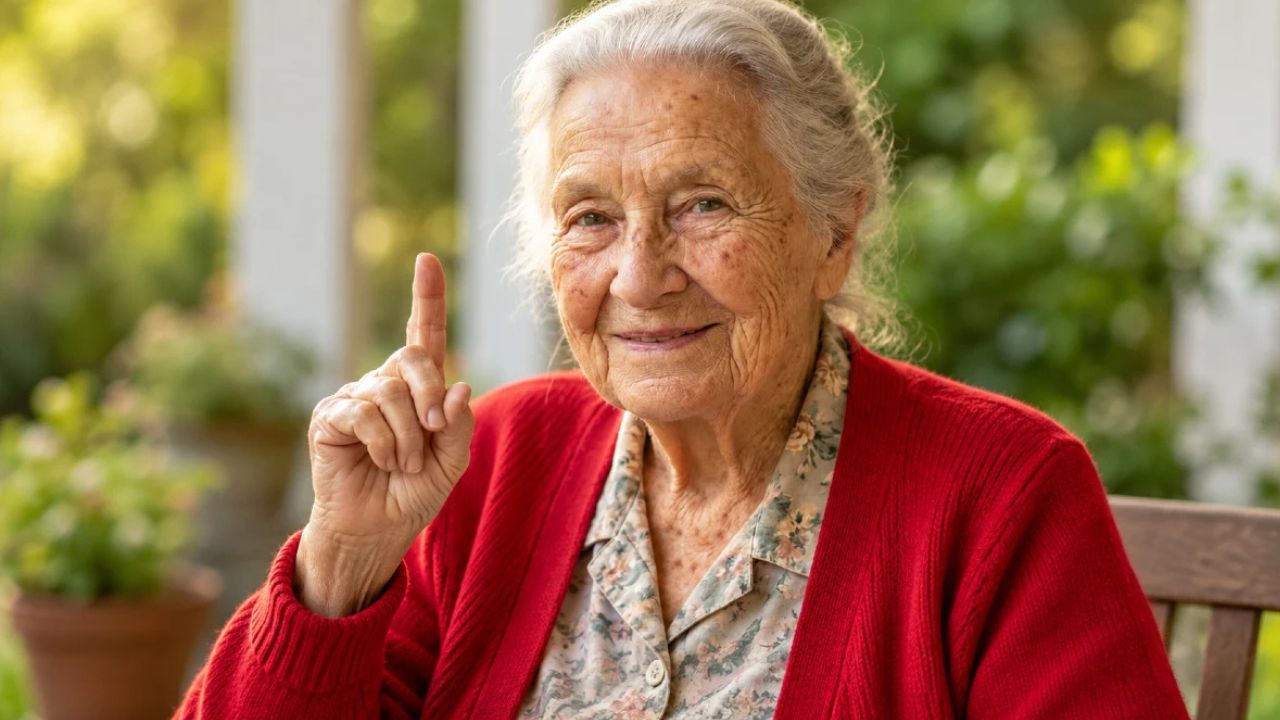
As you get older, one of the biggest lessons life teaches you is that you cannot build your entire future around the expectation that other people will always be there for you. This is especially true when it comes to family, because children grow up, friends move away, relationships change, and some people will no longer be around as the years pass.
It is easy to assume that someone will always be available to help when you need them. But what happens when they cannot be there? What happens when the people you expected to depend on have their own responsibilities, challenges, and lives to manage?
This is why building a strong foundation for your later years matters so much. True freedom does not come from having people constantly looking after you. It comes from creating a life that can remain fulfilling, healthy, and independent even when you have to stand on your own.
There are six important pillars that can help you achieve this. They focus on your physical health, personal passion, mindset, inner life, relationships, and financial independence. Together, they create a support system that does not depend entirely on family or anyone else.
1. Physical Health: Protect Your Ability to Live Independently
Your physical health is the foundation of almost everything you want to enjoy after 60. Without good health, maintaining your freedom, energy, mobility, and independence becomes much more difficult.
As you get older, you begin to understand how quickly your health can change. One unexpected fall, surgery, medical test, or chronic condition can completely change your daily routine and the way you live.
The problem is that many people assume their bodies will continue functioning as they always have. They spend decades enjoying good health without realizing that aging gradually changes their energy levels, recovery time, and physical abilities.
You may notice that activities that once felt effortless now require more effort. Getting out of bed, walking long distances, lifting heavy objects, or recovering after a busy day can become increasingly challenging.
This is why taking care of your body after 60 should become a priority. The goal is not to look younger or pretend that age does not exist. It is to remain capable, mobile, and strong enough to enjoy life without depending on others for every little thing.
Regular walking, strength training, and paying attention to what you eat are practical ways to protect your physical independence. Even simple habits can make a difference when you practice them consistently.
Ultimately, there is a big difference between growing older and becoming completely dependent on others. The more attention you give your health, the better your chances of maintaining control over your daily life.
2. Passion: Give Yourself a Reason to Get Up Every Morning
Retirement can bring a kind of emptiness that many people never expect. For years, work may have given you structure, identity, routine, and a reason to get out of bed every morning.
Then one day, all of that disappears. No more early alarms, daily commutes, meetings, or responsibilities waiting for you at the office. At first, having so much free time feels wonderful, but eventually, the excitement can wear off.
Without something meaningful to look forward to, your days can start blending into one another. Monday feels like Thursday, weeks pass without much happening, and you may begin to feel as though you are simply waiting for life instead of actually living it.
This is why having a passion or personal purpose becomes so important after 60. You need something that gives your days meaning and makes you feel that your time is being used for something worthwhile.

Your purpose does not have to involve starting a business, making a lot of money, or changing the world. It could be gardening, writing, creating things, mentoring younger people, learning a new skill, helping others, or sharing the knowledge you have gained throughout your life.
YOU MAY LIKE



The important thing is to have something that keeps you interested and gives you a reason to stay active. When you have something meaningful to work toward, retirement becomes more than just having free time.
Remember, you do not stop needing purpose simply because you stop working. In fact, having something you genuinely enjoy may become even more important as you get older.
3. Psychological Strength: Never Stop Learning and Growing
Your mindset is one of the most important things you can still control after 60. Unfortunately, some people begin limiting themselves mentally long before their age or physical condition actually forces them to slow down.
They stop learning, stop trying new things, and become uncomfortable with anything unfamiliar. Every change feels like a problem, and every new opportunity seems too difficult to attempt.
You may hear people say things like, “I’m too old for that,” “I could never learn that,” or “It’s too late for me to start something new.” Although these statements may sound harmless, constantly thinking this way can gradually make life feel smaller.
Getting older does not mean you have to stop growing. You can still learn new skills, explore different interests, develop new ideas, and adapt to a changing world.
For example, starting a YouTube channel, learning how to use new technology, writing, reading, or taking up an unfamiliar hobby can keep your mind active. You do not need to become an expert at everything, but you should remain willing to try.
The goal is to keep your brain engaged through activities that encourage you to think, question, and discover new things. The moment you convince yourself that there is nothing left to learn, you risk closing the door to experiences that could make your later years more fulfilling.
Age should not become an excuse for giving up on personal growth. You still have the ability to learn, change, and evolve, regardless of how many birthdays you have celebrated.
4. Philosophical Strength: Build a Peaceful Inner Life
As you get older, your thoughts often turn toward bigger questions about life. You begin thinking more deeply about time, meaning, loss, regret, and mortality.
These thoughts can become overwhelming if you have never developed a strong inner foundation. Without something that gives you peace and perspective, it becomes easy to spend your days distracted by noise, worries, and things you cannot control.
Building your inner life does not necessarily mean becoming religious. For some people, religion provides that foundation, while others find it through philosophy, spirituality, nature, gratitude, reflection, or simply spending time in silence.
What matters is having something deeper than constant entertainment and distractions. You need to develop the ability to sit quietly with your thoughts and feel comfortable with yourself.

Many people struggle with silence because they always need something playing in the background. Whether it is television, music, social media, or endless conversations, they rarely give themselves time to reflect.
However, quiet moments can be incredibly valuable. Going for a solo walk, spending time in nature, reflecting on your experiences, or simply sitting peacefully can help you understand yourself and life a little better.
As you move through your 60s, 70s, and beyond, having this inner foundation becomes increasingly important. You may not be able to control everything happening around you, but you can work toward developing a peaceful mind and a healthier relationship with yourself.
5. People: Choose Quality Relationships Over Quantity
As you grow older, you begin to see relationships differently. You realize that some friendships and connections were built around convenience, work, proximity, or simply being in the same environment.
When those circumstances change, some relationships naturally disappear. People move away, become occupied with their own responsibilities, or gradually stop making an effort to stay connected.
This can be painful, especially if you spent years showing up for people and assumed they would do the same for you. Sometimes, you discover that the number of people who genuinely care about your well-being is smaller than you expected.
However, this realization can also help you become more intentional about the relationships you maintain. Instead of constantly chasing more friendships and social activities, focus on building meaningful connections with people who genuinely value your presence.
Pay attention to how people make you feel after spending time with them. Some relationships leave you feeling encouraged, appreciated, and energized, while others constantly drain your emotional energy.
You do not need to spend your later years chasing people who only contact you when they need something. Your peace and emotional well-being matter, too.
This does not mean isolating yourself or avoiding relationships. It means surrounding yourself with people who bring something positive into your life and making room for genuine connections rather than relationships based only on appearances or obligation.
After 60, having a few trustworthy people can be far more valuable than knowing hundreds of people who barely show up when you need them.
6. Prosperity: Protect Your Financial Independence
Money may not be the most comfortable subject to discuss when talking about aging, but it is one of the most important. After 60, financial stability becomes less about showing off wealth and more about having control over your life.
When you lack financial independence, your choices become limited. You may have to depend on other people to cover basic expenses, make important decisions, or maintain the lifestyle you want.

Financial worries can also affect almost every other part of your life. Instead of enjoying your retirement, you may constantly worry about bills, unexpected expenses, and whether you have enough money to support yourself.
This is why understanding the real purpose of retirement is so important. Retirement should not simply mean stopping work. It should mean having greater control over how you spend your time.
There is a major difference between choosing to work because you enjoy it and being forced to work because you cannot afford to stop. One gives you freedom, while the other can make you feel trapped.
As you get older, your priorities naturally begin to change. You may stop asking how much further you can go in your career and start asking how much longer you actually want to keep working.
Having better financial control gives you more options. It allows you to make decisions based on what you want rather than constantly worrying about what you can afford.
You do not necessarily need to be wealthy to enjoy financial independence. What matters is having a financial foundation that helps you manage your needs, reduce unnecessary worries, and avoid depending entirely on other people.
EDITORS' RECOMMENDATIONS



The more control you have over your finances, the more freedom you have to make decisions about your own life.
Conclusion
Family matters, and there is nothing wrong with having children, relatives, and friends who care about you. However, family should not be your entire life strategy, especially as you enter your 60s and prepare for the decades ahead.
People have their own lives, responsibilities, and challenges. Children grow up, friends move away, relationships change, and sometimes the people you expect to be there simply cannot be.
That is why you need your own foundation. Protect your physical health, maintain your passions, keep your mind growing, develop a peaceful inner life, build meaningful relationships, and take control of your finances.
These six pillars work together to help you remain active, independent, and fulfilled as you get older. You may not be able to control everything that happens in your later years, but you can take steps today to make your future stronger.
Ultimately, the goal is not to live without family or reject the people who care about you. It is to build a life that can still stand when circumstances change and you have to rely more on yourself.