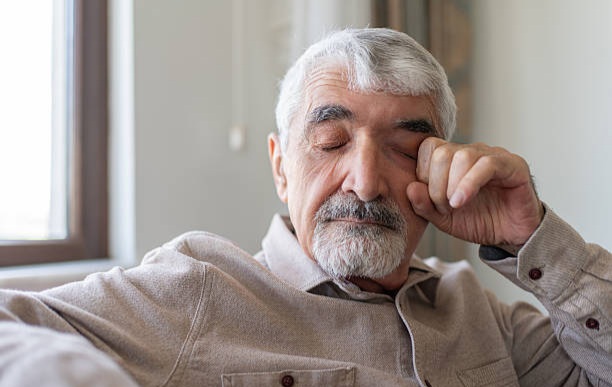
Getting older changes the way people think about time. Once you reach your 70s, every year feels more meaningful, and health becomes less about appearances and more about quality of life. Some people continue living with energy, confidence, and independence well into their 80s and 90s, while others begin struggling with weakness, fatigue, and declining health much earlier.
What makes the difference?
It often comes down to small warning signs that many people overlook. Your body constantly gives clues about your overall health and longevity. These signs may seem simple at first glance, but researchers and doctors have discovered that they can reveal a surprising amount about how long and how well someone might live after 70.
The encouraging part is that most of these signs are not fixed. Many can be improved through daily habits, better routines, and small lifestyle changes. That means your future is not completely determined by genetics or luck alone.
Here are seven important signs that may reveal how long you could live after 70 and what you can do to improve your chances of staying strong, healthy, and independent for years to come.
1. Your Ability to Stand on One Leg
Balance might not seem important until it starts disappearing. However, researchers have found that the ability to stand on one leg for at least 10 seconds is strongly connected to longevity and overall health in older adults.
People who maintain good balance often have stronger muscles, healthier nervous systems, and better brain function. On the other hand, poor balance is linked to a greater risk of falls, injuries, mobility problems, and even cognitive decline.
Imagine two women in their early 70s.
Carol stays active by walking every day and practicing yoga several times a week. She can stand on one leg comfortably without losing stability. Nancy, however, rarely exercises and notices that she quickly becomes unsteady whenever she tries the same test.
What seems like a minor difference may actually reflect major differences in overall health.
Balance depends on several systems working together properly, including your muscles, brain, inner ear, coordination, and reaction speed. When balance declines, it can signal that the body is weakening in multiple ways.
Fortunately, balance can often improve with regular practice. Even simple daily exercises can make a noticeable difference.
Ways to Improve Balance After 70
- Practice standing on one foot for several seconds daily
- Walk heel-to-toe across a room
- Try gentle tai chi or yoga routines
- Strengthen your legs with light exercises
- Stay physically active throughout the week
A simple balance test today could reveal valuable information about your future health and independence.
2. Your Grip Strength
Your handshake may say more about your health than you realize.
Research consistently shows that grip strength is one of the clearest indicators of vitality and longevity in older adults. A strong grip usually reflects healthy muscles, good circulation, and better overall physical resilience.
A weakening grip, however, may signal muscle loss and increasing frailty.
Consider Robert and Walter, both 78 years old.

Robert still exercises regularly, carries his groceries without difficulty, and maintains a firm handshake. Walter has started struggling with everyday tasks like opening jars or holding heavy bags for long periods. He assumes it is simply part of aging, but the loss of grip strength may actually indicate broader muscle decline throughout his body.
Muscle loss after 70 can affect far more than physical appearance. It can increase the risk of falls, reduce mobility, and make recovery from illness more difficult.
YOU MAY LIKE



The good news is that muscle strength can often be rebuilt and maintained, even later in life.
Simple Ways to Maintain Grip Strength
- Squeeze a tennis ball several times daily
- Use hand grip exercisers
- Carry light grocery bags regularly
- Practice resistance training with light weights
- Stay physically active instead of sedentary
Strong hands often reflect a stronger body overall. Paying attention to small changes in grip strength can help identify problems before they become serious.
3. Your Walking Speed
One of the strongest predictors of longevity after 70 is surprisingly simple: walking speed.
People who continue walking at a steady and confident pace tend to live longer than those who slow down significantly. Walking speed reflects several important health factors at once, including muscle strength, heart health, balance, endurance, and brain function.
Take Joe and Frank, both 75 years old.
Joe walks every morning and moves with confidence. He crosses streets comfortably and handles stairs without much trouble. Frank, however, walks much more slowly than he once did and often feels tired or unstable after short distances.
A slower walking pace may indicate declining physical strength, poor circulation, or even early neurological changes.
Walking is one of the most important daily activities for maintaining independence. When mobility begins to decline, overall health often follows.
The encouraging part is that walking speed can improve with consistent effort.
How to Improve Walking Strength and Mobility
- Walk daily, even for short distances
- Increase walking pace gradually over time
- Strengthen leg muscles with simple exercises
- Stretch regularly to improve flexibility
- Avoid sitting for long periods during the day
The way you move through life often reflects the overall condition of your body and mind.
4. Your Sleeping Patterns
Sleep becomes even more important as people age.
During sleep, the body repairs tissues, strengthens the immune system, regulates hormones, and clears waste from the brain. Older adults who consistently get quality sleep often enjoy better physical health, sharper memory, and stronger emotional well-being.
Poor sleep, however, can increase the risk of heart disease, memory decline, depression, and weakened immunity.
Consider Sam and Graham, both in their mid-70s.
Sam follows a regular bedtime routine and usually sleeps about seven hours each night. He wakes up refreshed and maintains steady energy throughout the day. Graham struggles with restless nights, frequent waking, and ongoing fatigue despite spending many hours in bed.
Over time, Graham begins experiencing brain fog, irritability, and worsening health issues connected to poor sleep quality.
Sleep problems should never be ignored simply because someone is getting older.
Habits That Can Improve Sleep Quality
- Keep a consistent bedtime schedule
- Reduce screen time before bed
- Avoid heavy meals late at night
- Spend time outdoors during daylight hours
- Create a quiet and relaxing sleep environment
Good sleep is not a luxury after 70. It is one of the foundations of long-term health and longevity.
5. Your Appetite and Eating Habits
The way you eat after 70 plays a major role in determining your strength, energy, and overall lifespan.
A healthy appetite usually indicates that the body is functioning properly and receiving the nutrients it needs. Sudden appetite loss or poor eating habits, however, can become serious warning signs.
Imagine Margaret and Susan, both 74 years old.
Margaret enjoys cooking healthy meals, eats balanced foods, and maintains a stable weight. Susan has gradually lost interest in food, skips meals often, and unintentionally loses weight throughout the year.
What Susan may not realize is that poor nutrition can quickly lead to muscle loss, weakness, immune problems, and declining energy levels.
Many older adults experience reduced appetite because of digestive issues, medications, stress, or underlying health conditions. Unfortunately, poor eating habits can accelerate physical decline.
Healthy Eating Habits That Support Longevity
- Eat enough protein to maintain muscle strength
- Include fruits and vegetables daily
- Stay hydrated throughout the day
- Avoid relying heavily on processed foods
- Pay attention to sudden weight changes
Food is more than fuel after 70. Proper nutrition helps preserve independence, mobility, and mental sharpness.
6. Your Ability to Handle Stress
Stress affects the body far more than many people realize.
Chronic stress increases inflammation, weakens the immune system, raises blood pressure, and contributes to many age-related diseases. Older adults who manage stress effectively often stay healthier and mentally sharper much longer.
Consider John and Richard, both 76 years old.
John faces normal life challenges calmly. He stays socially connected, practices relaxation techniques, and focuses on solving problems instead of dwelling on them. Richard constantly worries about finances, health, and situations beyond his control. Over time, his stress begins affecting his sleep, mood, and physical health.
Long-term stress can slowly wear down the body.

Healthy Ways to Manage Stress After 70
- Practice deep breathing exercises
- Stay socially connected
- Spend time outdoors regularly
- Keep a daily routine
- Engage in hobbies and enjoyable activities
- Focus on what you can control
Mental and emotional health are deeply connected to physical longevity. Learning how to manage stress can add both years to life and life to years.
7. Your Social Connections
Strong relationships may be one of the most powerful predictors of a long and healthy life.
Research consistently shows that people with meaningful social connections tend to live longer and experience fewer health problems. Loneliness, on the other hand, has been linked to depression, memory decline, heart disease, and even early death.
Think about Eleanor and Barbara, both 78 years old.
Eleanor stays active socially by spending time with family, talking with friends, and participating in community activities. Barbara spends most of her time alone and gradually becomes isolated from others.
Over time, Eleanor remains emotionally engaged and mentally active, while Barbara’s isolation begins affecting her mood and health.
Human connection plays a direct role in both emotional and physical well-being.
EDITORS' RECOMMENDATIONS



Ways to Stay Socially Connected
- Call or visit friends regularly
- Join clubs or local groups
- Participate in volunteer activities
- Spend quality time with family
- Make an effort to meet new people
Strong relationships provide emotional support, reduce stress, and help keep the mind active throughout later life.
Final Thoughts
The signs that influence longevity after 70 are often much simpler than people expect. Your balance, grip strength, walking speed, sleep quality, eating habits, stress levels, and social connections can all reveal important clues about your future health.
The most important thing to remember is that many of these factors can improve with consistent effort and healthy routines.
Small changes made today can create major benefits over time.
You do not need to become perfect overnight. Taking daily walks, improving sleep habits, eating better foods, strengthening your muscles, and staying socially connected can all help you remain healthier and more independent for years to come.
Longevity is not only about adding more years to life. It is also about making those years active, meaningful, and enjoyable.
The choices you make today may shape the quality of your future far more than you realize.