
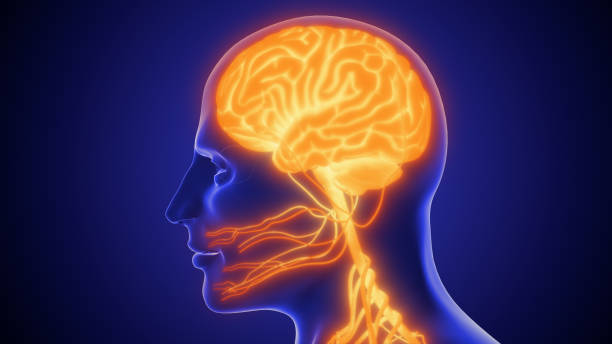
Healing your nervous system rarely looks the way most people expect it to. Many people imagine healing as waking up one day feeling calm, peaceful, energized, and completely free from anxiety or overwhelm. In reality, nervous system healing is often emotional, uncomfortable, and surprisingly messy before it starts feeling better.
That can make the entire process incredibly confusing. You may wonder why you suddenly feel emotional, exhausted, withdrawn, or physically different when you are supposedly “getting better.” The truth is that many of these uncomfortable experiences are actually signs that your body is beginning to regulate itself again.
For years, many people live in survival mode without even realizing it. Chronic stress, anxiety, emotional suppression, overworking, overstimulation, and constant pressure eventually teach the nervous system to stay stuck in fight-or-flight mode. After functioning this way for so long, slowing down can feel unfamiliar and even frightening.
However, healing begins when the body finally feels safe enough to stop surviving and start processing everything it has been holding onto.
Here are five powerful signs that your nervous system is healing, even if it does not feel like progress yet.
1. You Start Feeling More Emotional
One of the biggest signs of nervous system healing is actually feeling more emotions instead of fewer.
At first, this can feel alarming because many people expect healing to make them instantly calmer and happier. Instead, they suddenly find themselves crying more often, becoming irritable, feeling unexpected anger, or experiencing emotional waves that seem to appear out of nowhere.
This happens because the body is finally releasing emotions that were buried for years.
Many people survive difficult seasons of life by suppressing emotions. They distract themselves, stay busy, overthink, overwork, scroll endlessly, or avoid uncomfortable feelings altogether. While this helps temporarily, those emotions do not disappear. The nervous system simply stores them away.
When healing begins, the body no longer wants to carry those emotions silently.
You may suddenly experience:
- Random crying spells
- Increased irritability
- Anger surfacing unexpectedly
- Emotional sensitivity
- Feeling overwhelmed more easily
- Old memories returning to the surface
Although this feels uncomfortable, it is often a sign that your nervous system finally feels safe enough to process what was previously suppressed.
Think of it like emotional defrosting. After years of emotional numbness or survival mode, your body begins thawing out. The emotions rising to the surface are not proof that something is wrong. They are evidence that your nervous system is trying to complete unfinished emotional cycles.
For many people, anger becomes especially noticeable during healing. Those who spent years people-pleasing or avoiding conflict often realize they never allowed themselves to feel healthy anger before. As regulation improves, suppressed emotions finally gain permission to move through the body naturally.
The goal is not to eliminate emotions. The goal is learning how to safely feel them without becoming trapped by them.
2. Hustle Culture Starts Feeling Exhausting
Another surprising sign of healing is losing interest in constant productivity, pressure, and hustle.
When someone spends years living in survival mode, their body often becomes addicted to stress hormones like cortisol and adrenaline. Constant busyness can start feeling normal, even necessary. Slowing down may feel uncomfortable because the nervous system has learned to associate stillness with danger or guilt.
As healing begins, the body no longer wants to run on emergency energy all the time.
You may notice that:
- Constant productivity suddenly feels draining
- Overworking becomes emotionally exhausting
- Endless scrolling loses its appeal
- Dopamine-driven habits stop feeling satisfying
- Rest suddenly feels necessary instead of lazy
- Quiet moments become more appealing
This phase can feel confusing because people sometimes mistake it for losing motivation or becoming lazy. In reality, the nervous system is transitioning away from survival energy and moving toward sustainable energy.

Your body is learning that it no longer has to operate in constant fight-or-flight mode.
Rest, boredom, and stillness often appear before deeper healing takes place. Unfortunately, modern culture tends to glorify exhaustion and overworking, making genuine rest feel uncomfortable at first.
However, true healing requires space.
YOU MAY LIKE



The nervous system cannot fully regulate itself while constantly overloaded with stimulation, pressure, and urgency. Learning to slow down is not weakness. It is part of rebuilding safety within the body.
Over time, people often realize they no longer crave chaos. Instead, they begin craving peace, quiet, balance, and emotional stability.
That shift is a major sign of nervous system healing.
3. You Crave More Solitude and Protect Your Energy
As nervous system regulation improves, many people notice they suddenly need more alone time.
This does not necessarily mean isolation or depression. Instead, solitude starts feeling restorative rather than lonely. Your body becomes more aware of how certain environments, conversations, and energies affect you.
Highly stimulating situations may suddenly feel overwhelming.
Crowded places, loud environments, nonstop socializing, bright lights, constant notifications, or emotionally chaotic people can begin draining your nervous system much faster than before.
You may find yourself craving:
- Quiet evenings at home
- Time away from social media
- Nature and calm environments
- Breaks after social events
- More intentional relationships
- Slower routines and schedules
This increased awareness is actually a healthy development. Instead of constantly overriding your body’s signals, you begin listening to them.
Many people healing their nervous system also notice changes within their relationships. They may naturally distance themselves from individuals who constantly live in panic, drama, chaos, or emotional intensity.
That shift is not about becoming antisocial. It is about becoming more protective of your energy and more intentional about what your nervous system can handle.
You may also become less dependent on external validation.
Checking notifications obsessively, seeking approval online, or constantly monitoring how others perceive you may slowly lose its emotional grip. Instead of looking outward to determine how you feel internally, you begin building a stronger relationship with yourself.
This process creates deeper self-trust.
You start recognizing when your body needs rest, quiet, or boundaries, and you become more willing to honor those needs without guilt.
4. Your Body Patterns Begin Changing
One of the most confusing parts of nervous system healing involves physical symptoms and body changes.
Because the nervous system affects nearly every system within the body, regulation can temporarily create shifts that feel unsettling.

This may include changes such as:
- Inconsistent sleep patterns
- Waking up during the night
- Needing more naps
- Digestive changes
- Appetite fluctuations
- Hormonal shifts
- Increased fatigue
- Physical sensitivity
Many people panic when these symptoms appear because they assume healing should feel physically smooth and predictable. However, the body often goes through a recalibration process while learning how to regulate itself differently.
The autonomic nervous system influences digestion, hormones, energy levels, sleep cycles, heart rate, and many other bodily functions. When healing begins, the body may need time to adjust.
That adjustment can feel messy temporarily.
One important part of healing is resisting the urge to obsessively analyze every sensation or search endlessly for something new to “fix.” People stuck in survival mode often become hyper-focused on bodily symptoms because the nervous system constantly scans for danger.
Healing requires learning to trust the body again.
Instead of micromanaging every sensation, you begin stepping back and allowing the body space to do what it naturally knows how to do.
That does not mean ignoring serious medical concerns. It simply means recognizing that not every uncomfortable sensation is evidence of danger.
The body is incredibly intelligent. Much of healing comes from getting out of the way enough to let regulation happen naturally.
5. You Stop Reacting and Start Responding
Perhaps the biggest sign of nervous system healing is learning how to pause.
When someone lives in survival mode, reactions become automatic. Every uncomfortable sensation, stressful event, anxious thought, or emotional trigger immediately creates panic, overthinking, or urgency.
Healing changes that pattern slowly.
You begin noticing that there is now a small space between the trigger and your response.
That pause is powerful.
Instead of immediately spiraling, fixing, analyzing, or panicking, you become more capable of observing what is happening without getting consumed by it.
You may notice:
- Less urgency around symptoms
- More emotional awareness
- Reduced overreacting
- Greater patience with yourself
- Increased ability to sit with discomfort
- More thoughtful responses instead of impulsive reactions
Responding is a conscious choice. Reacting is usually an automatic survival pattern.
As regulation improves, the nervous system slowly learns that discomfort does not automatically equal danger. You begin feeling safer even when emotions, sensations, or uncertainty are present.
This is one of the deepest forms of healing because it changes your relationship with yourself entirely.

You stop fighting every symptom and start allowing your body to move through experiences naturally. That shift reduces fear, and reducing fear often helps reduce symptoms themselves.
When your reactions change, your life begins changing too.
Bonus Signs Your Nervous System Is Healing
There are also a few lesser-known signs that healing is happening beneath the surface.
Your Old Coping Mechanisms Stop Working
Habits that once helped you escape discomfort may suddenly lose their appeal.
Over-scrolling, emotional eating, constant distraction, overworking, or seeking validation may no longer feel satisfying. Although this can feel uncomfortable initially, it is actually a sign that your nervous system is outgrowing survival patterns.
Your Mind Becomes Quieter
Many people notice they suddenly spend less time analyzing every symptom, thought, or sensation.
The mental noise slowly decreases, leaving behind more emotional space, energy, and peace. For someone who spent years trapped in overthinking, this quietness can feel unfamiliar but incredibly freeing.
Your Identity Starts Feeling Uncertain
Healing often creates a strange in-between phase where you no longer fully relate to your old survival self, but you have not fully stepped into your regulated self yet.
This period can feel confusing and emotionally ungrounded.
However, uncertainty is often proof that transformation is happening. You are shedding old patterns, identities, and ways of coping while slowly becoming someone new.
Conclusion
Nervous system healing is rarely neat, linear, or predictable. Sometimes the messiest seasons are actually the moments when the deepest changes are taking place internally.
Feeling emotional, craving rest, pulling back from chaos, experiencing body changes, or reacting differently to stress are not always signs that something is wrong. In many cases, they are evidence that your body is finally moving out of survival mode.
Healing requires trust.
It asks you to stop micromanaging every symptom, stop chasing endless fixes, and begin allowing your body to do what it was naturally designed to do.
The nervous system already knows how to regulate itself. Often, the real challenge is learning how to stop fighting the process long enough to let healing happen.
Even when progress feels invisible, change may still be unfolding beneath the surface.
Messy healing is still healing.