
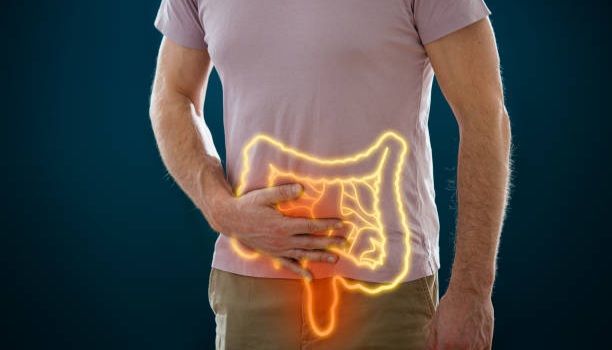
Most people think gut health is only about avoiding stomach pain or reducing bloating. In reality, your gut influences nearly every system in your body, including your energy levels, mental clarity, sleep quality, mood, immune system, and even how efficiently you age.
What many people never realize is that poor gut health does not happen overnight. It develops quietly through everyday habits that slowly damage the delicate ecosystem living inside your digestive tract.
When your gut bacteria no longer receive the nourishment and conditions they need to thrive, they begin disrupting the protective lining of your intestines instead of supporting digestion. This breakdown can trigger persistent bloating, chronic fatigue, brain fog, inflammation, and uncomfortable digestive symptoms that seem impossible to explain.
The good news is that your gut is remarkably adaptable. With a few consistent habits, you can support the body’s natural repair systems and restore balance to your internal ecosystem.
Here are five scientifically backed ways to improve gut health naturally, reduce harmful bacteria, and help your digestive system function the way it was designed to.
1. Let Your Gut’s “Cleaning Crew” Do Its Job
One of the most overlooked aspects of digestion is something called the migrating motor complex, often shortened to MMC.
Most people assume digestion is a nonstop conveyor belt where food simply moves through the body continuously. However, your small intestine actually operates in two completely different modes:
- Eating mode
- Cleaning mode
When you are actively eating, your digestive system focuses on breaking down food and absorbing nutrients. During this time, your gut cannot fully perform its deep cleaning process.
That cleaning process only begins after digestion is complete.
The migrating motor complex acts like an internal street sweeper. It sends waves through the small intestine that push leftover food particles, bacteria, and cellular debris down into the colon where they belong.
However, this cleaning cycle only works under one important condition.
Your stomach must remain empty long enough for the process to begin.
Research suggests the MMC typically activates after your stomach has been empty for roughly 90 minutes to two hours. Once activated, the cleaning wave itself can take another 90 minutes to complete.
The problem is that modern eating habits rarely allow this process to happen.
Many people snack constantly throughout the day:
- Breakfast
- Mid-morning snack
- Lunch
- Sugary coffee
- Afternoon snack
- Dinner
- Late-night dessert
Every time calories enter the stomach, the MMC shuts off immediately.
As a result, the digestive system never gets a chance to fully clean itself.
Over time, bacteria can begin accumulating in the small intestine where they should not be present in large numbers. This contributes to fermentation, gas, bloating, and conditions such as small intestinal bacterial overgrowth, commonly known as SIBO.
Sometimes the solution is not adding more supplements or detox drinks.
Sometimes the solution is simply creating enough space between meals.
Spacing meals four to five hours apart without snacking may help your digestive system complete its natural cleaning cycle more effectively.
Interestingly, stomach growling is not always a sign that you urgently need food. In many cases, it may simply be the sound of your gut’s cleaning process activating.
Giving your digestive system regular breaks can dramatically improve how efficiently your body manages waste and bacteria.
2. Feed Your Gut Like a Diverse Garden
Your gut contains trillions of microorganisms that work together like a complex ecosystem.
For years, bacteria were viewed primarily as harmful invaders. Today, scientists understand that many gut bacteria are essential for human health.
A healthier way to think about the microbiome is to imagine it as soil in a garden.
Healthy soil supports thriving plants. Poor soil struggles to support life.
The same principle applies inside your gut.
One of the biggest mistakes people make is relying entirely on generic probiotic supplements while ignoring the environment those bacteria need to survive.

Adding probiotics without improving your diet is like scattering seeds onto concrete.
Without proper nourishment, beneficial bacteria cannot thrive.
The real key to building a healthy microbiome is diversity.
A fascinating study compared diets between rural South Africans and African Americans. The rural African diet contained far more fiber and significantly less fat. Within only two weeks, the group eating the high-fiber diet experienced noticeable reductions in inflammation.
YOU MAY LIKE



Why did this happen?
Because fiber serves as fuel for beneficial gut bacteria.
When you eat fiber-rich foods, those fibers travel into the colon where healthy bacteria ferment them. This process creates compounds that support the gut lining, reduce inflammation, and improve overall digestive health.
However, different bacteria feed on different types of plants.
Some bacteria thrive on onions, while others prefer:
- Walnuts
- Lentils
- Raspberries
- Beans
- Pumpkin seeds
- Leafy greens
- Herbs and spices
This is why dietary variety matters so much.
The American Gut Project found that one of the strongest predictors of a healthy microbiome was consuming at least 30 different plant foods each week.
That number sounds intimidating at first, but it includes much more than vegetables alone.
Plant diversity can include:
- Fruits
- Nuts
- Seeds
- Legumes
- Herbs
- Spices
- Whole grains
A sprinkle of cinnamon counts. So does parsley, almonds, black beans, or flaxseeds.
The goal is not perfection.
The goal is diversity.
Eating the same “healthy” foods every day limits the variety of bacteria that receive nourishment. Expanding the range of plants in your diet helps create a stronger, more resilient microbiome that naturally crowds out harmful bacteria.
3. Stop Eating So Late at Night
Most conversations about nutrition focus entirely on what people eat.
But timing matters almost as much as food quality itself.
Your digestive system follows a circadian rhythm, much like your sleep cycle.
Digestion is not equally efficient at all hours of the day.
Research shows that insulin sensitivity and digestive efficiency are strongest earlier in the day and gradually decline as nighttime approaches.
You can think of your digestive system like a factory operating in shifts.
During the day, the factory is fully staffed and highly productive.
Late at night, only a small crew remains working.
When you eat a heavy meal at 9:00 or 10:00 p.m., your body has a harder time processing it efficiently.
Food may remain in the stomach longer, blood sugar can stay elevated for extended periods, and inflammation may increase.
Late-night eating also interferes with sleep quality because digestion requires significant energy.

If your body is busy digesting food while you are trying to sleep, it cannot fully focus on overnight repair and recovery processes.
There is also a strong relationship between gut bacteria and sleep hormones.
Certain gut microbes help regulate chemicals like serotonin and melatonin, both of which influence sleep quality and mood regulation.
Eating late can disrupt this balance and contribute to a frustrating cycle:
- Poor sleep increases sugar cravings
- Sugar cravings worsen gut health
- Poor gut health further damages sleep quality
One simple strategy that may help is time-restricted eating.
This does not mean starving yourself or following extreme fasting protocols.
It simply means limiting your eating window to roughly 10 to 12 hours each day.
For example:
- Breakfast at 8:00 a.m.
- Dinner completed by 8:00 p.m.
This approach gives your digestive system more time to rest and repair overnight while aligning food intake with your body’s natural rhythms.
4. Calm Your Nervous System Before Eating
Even the healthiest diet can struggle to help you if your nervous system remains stuck in stress mode.
Your gut and brain are directly connected through the vagus nerve, which acts like a communication highway between the digestive system and the brain.
Your nervous system constantly switches between two primary states:
- Fight or flight
- Rest and digest
These states cannot fully operate at the same time.
When your body perceives stress, it prioritizes survival over digestion.
Blood flow shifts away from the digestive system and toward muscles and alertness systems designed to help you respond to danger.
This response made perfect sense when humans faced physical threats in nature.
Today, however, the body often reacts the same way to stressful emails, social media, deadlines, and constant overstimulation.
If you eat while anxious, rushing, or distracted, digestion becomes less efficient.
Stomach acid production may decrease, digestive movement slows down, and food can remain sitting in the stomach longer than it should.
This often contributes to:
- Gas
- Bloating
- Indigestion
- Stomach discomfort
Digestion actually begins in the brain long before food reaches the stomach.
That means preparing your nervous system before eating can significantly improve how your body processes meals.
One of the simplest ways to activate the “rest and digest” response is through slow breathing.
Before your first bite, try taking three slow, deep breaths while making the exhale slightly longer than the inhale.
This simple habit stimulates the vagus nerve and signals safety to the body.
It takes less than 30 seconds, but it can meaningfully improve digestion over time.
5. Reduce the Chemical Stress on Your Gut
Sometimes improving gut health is less about adding more things and more about reducing what harms the system.

Modern life exposes people to countless substances that may disrupt the microbiome.
One major factor is the overuse of antibiotics.
Antibiotics are lifesaving medications when genuinely necessary. However, they also destroy large amounts of beneficial bacteria alongside harmful bacteria.
After repeated antibiotic use, the microbiome may take months to recover its original diversity.
Environmental toxins may also contribute to gut disruption.
Many conventional crops are treated with pesticides designed to kill insects and weeds. While these chemicals help agriculture, some evidence suggests chronic exposure may negatively influence gut bacteria over time.
Tap water presents another overlooked factor.
Many water systems use chlorine to eliminate harmful microbes and improve public safety. However, constant exposure to chlorinated water may also affect beneficial bacteria within the digestive tract.
Reducing your toxic load does not require paranoia or perfection.
Simple defensive strategies can help, including:
- Washing produce thoroughly
- Choosing organic options for heavily sprayed foods when possible
- Using a water filter to reduce chlorine exposure
- Avoiding unnecessary antibiotic use whenever appropriate
The goal is not fear.
The goal is creating an environment where beneficial bacteria have a better chance to thrive.
A Simpler Way to Think About Gut Health
Your body functions much like a house.
You cannot keep the house clean if:
- Dirt constantly enters through the front door
- The cleaning crew never gets time to work
- The electrical wiring keeps failing
The same principle applies to digestion.
Improving gut health does not require expensive detox products or extreme routines. In many cases, it simply requires supporting the systems your body already possesses.
That means:
- Giving your gut enough time between meals
- Eating a wider variety of plant foods
- Reducing late-night eating
- Lowering stress before meals
- Minimizing unnecessary chemical exposure
The encouraging reality is that the gut is incredibly resilient.
The lining of your intestines continuously renews itself, and beneficial bacteria can recover surprisingly well when given the right environment.
Most people wait until symptoms become unbearable before taking gut health seriously. However, the greatest power lies in prevention and consistency.
Small daily decisions often create the biggest long-term results.
Choosing variety over convenience, pausing before meals, or waiting a little longer between snacks may seem insignificant in the moment.
Over time, though, those habits can completely transform how you feel physically and mentally.
Your gut influences far more than digestion alone.
When your internal ecosystem improves, energy often rises, focus becomes clearer, sleep improves, and the body functions with far less resistance.
Sometimes better health begins with something as simple as finally giving your gut the conditions it has been asking for all along.