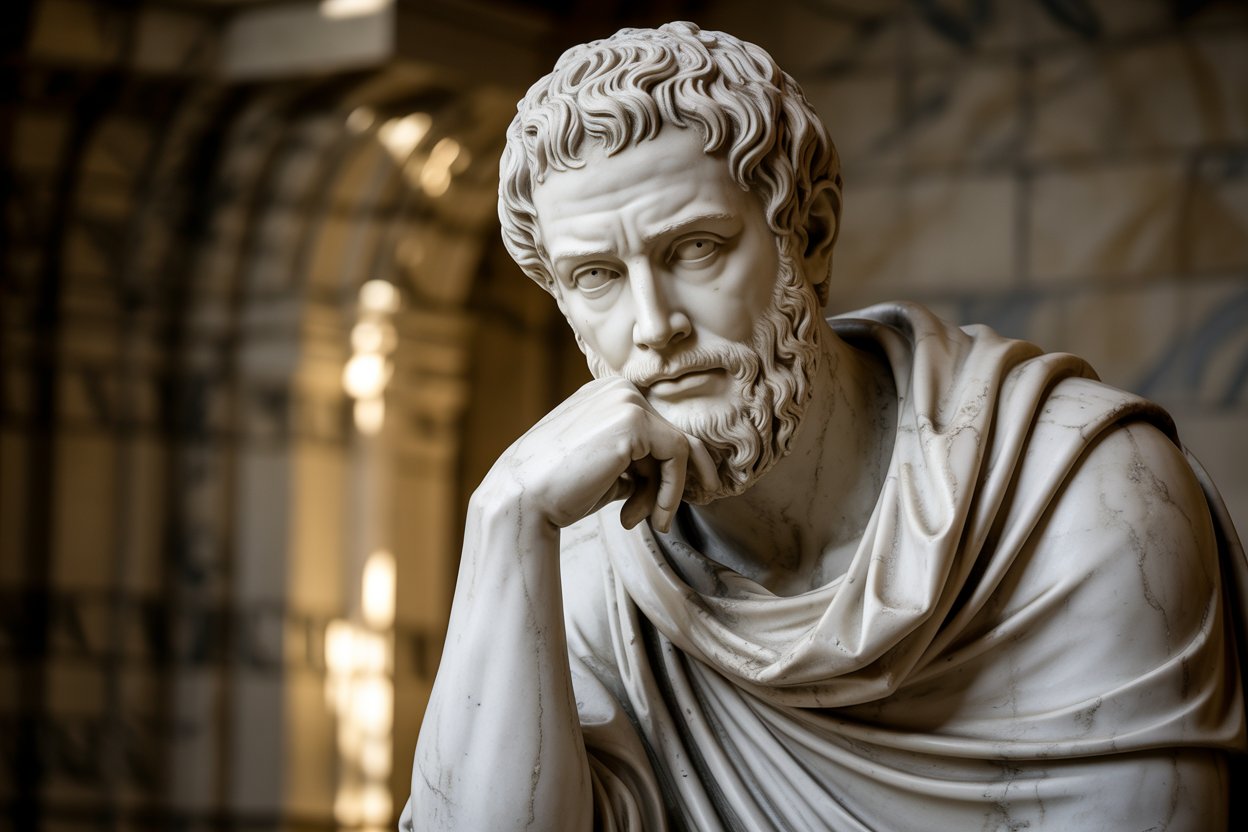
So, you want to be happier, more focused, and just… better at handling life without losing your chill? I’ve been diving into Stoic habits lately, and honestly, the stuff works—like, the kind of “wow, why didn’t I start sooner?” works.
The crazy part is that science actually backs a lot of these practices. Yup, your brain and your mental health will thank you. Let me break down 5 daily Stoic habits that can make a real difference.
1. Morning Premeditation (Negative Visualization)
Ever wake up and immediately stress about traffic, work emails, or, I dunno… your phone battery dying at 10%? Stoics have a hack called Morning Premeditation or Negative Visualization.
Here’s how it works:
- Spend a few minutes imagining things that could go wrong today. Missed bus? Annoying coworker? Rain on your plans? Picture it, accept it, then move on.
- Why it helps: Research in psychology shows that mentally preparing for setbacks reduces stress and boosts emotional resilience. You’re basically giving your brain a “heads up,” so unexpected stuff doesn’t knock you sideways.
- My experience: I started doing this for just 5 minutes while sipping my morning coffee. FYI, it made me way calmer when my meetings ran late or my Wi-Fi died mid-video call.
It’s kinda counterintuitive—thinking about bad stuff to be happy—but trust me, accepting what could happen actually makes you feel more in control.
2. Focus Only on What You Control
Here’s a classic Stoic gem: you can’t control everything, so why waste energy stressing about it?
Think about it: you can’t control the weather, your boss’s mood, or traffic jams. But you can control your reactions, your effort, and your mindset. That’s it.
Why science agrees:

YOU MAY LIKE



- Studies on stress management show that focusing on controllable factors reduces anxiety and improves performance.
- People who obsess over things outside their control are more likely to experience burnout and frustration.
How to practice it daily:
- Make a mental or written list of what you can influence today.
- Let go of things you can’t—say it out loud if you need. (“Not my circus, not my monkeys,” IMO).
- Before reacting to any stressful situation, ask: “Can I change this?” If no, drop it.
Personal tip: When emails or notifications overwhelm me, I take a deep breath and remind myself: I control my response, not their chaos. Suddenly, life feels lighter.
3. Daily Voluntary Discomfort
Okay, this one might sound a bit hardcore at first. Stoics actually embrace discomfort intentionally. The idea is simple: if you can handle small challenges daily, bigger life problems won’t crush you.
Examples of voluntary discomfort:
- Skipping a cozy blanket and taking a cold shower.
- Fasting for a few hours or eating something simple instead of indulgent snacks.
- Walking instead of driving for short trips.
Why it works scientifically:
- Exposing yourself to manageable stressors increases resilience and mental toughness.
- It also helps reduce your dependency on constant comfort, which, honestly, improves gratitude and satisfaction.
My take: I started doing a 2-minute cold shower every morning. At first, I hated it (like, screaming into the void hated it), but after a few weeks, I felt energized, alert, and strangely proud of myself. It’s a tiny win, but those small wins stack up.
4. Evening Self-Reflection
You know how some nights you scroll endlessly on your phone and wake up groggy and unaccomplished? Yeah, let’s flip that script. Stoics end their day with self-reflection, which is basically a personal audit of your actions, thoughts, and emotions.

Here’s a simple routine:
- Ask yourself:
- What did I do well today?
- Where did I mess up or overreact?
- What can I do differently tomorrow?
- Write it down in a journal if possible. Even 5 minutes works.
Science-backed reason: Journaling and reflective practices improve emotional intelligence, boost self-awareness, and promote personal growth. It’s basically like giving your brain a nightly tune-up.
My anecdote: I started doing this for 10 minutes before bed. Not only do I sleep better, but I also notice patterns in my behavior—like realizing I waste way too much energy on things I can’t control. That awareness alone has made me calmer and more productive.
5. Gratitude for the Present Moment
Last but definitely not least, gratitude is king. Stoics teach us to appreciate what we have right now, instead of endlessly chasing “more” or “better.”
Simple ways to practice:
- List 3 things you’re grateful for each day. Can be small: coffee, your cat, or even a quiet walk.
- When faced with a challenge, ask: “What can I appreciate about this?”
- Pause during the day to savor little moments—sunlight on your face, a kind word, or a good laugh.
Why it works scientifically:

- Research shows that gratitude boosts happiness, reduces stress, and even strengthens your immune system.
- Focusing on the present moment improves mindfulness, reducing rumination and anxiety.
Personal insight: I used to think gratitude sounded cheesy. But after making it a daily habit, I noticed a huge shift—I stress less, enjoy more, and honestly, my relationships feel stronger.
Wrapping It Up
So there you have it—5 Stoic habits that can make you happier and more successful, backed by both ancient wisdom and modern science:
EDITORS' RECOMMENDATIONS



- Morning Premeditation – prepare for life’s curveballs.
- Focus Only on What You Control – let go of unnecessary stress.
- Daily Voluntary Discomfort – build resilience and mental toughness.
- Evening Self-Reflection – learn from your day and grow.
- Gratitude for the Present Moment – enjoy life now, not later.
IMO, the beauty of these habits is how simple they are. No fancy apps, no complicated routines—just small, consistent actions that change how you think, feel, and respond.
FYI, I’m still practicing them daily, and I notice even tiny improvements make life way more manageable. Give them a try for a week, and see how you feel. I bet you’ll be surprised at how much more grounded and productive you become.
Alright, friend, your move! Start small, stay consistent, and enjoy the process. Stoicism isn’t about being perfect—it’s about being better than yesterday, one habit at a time.