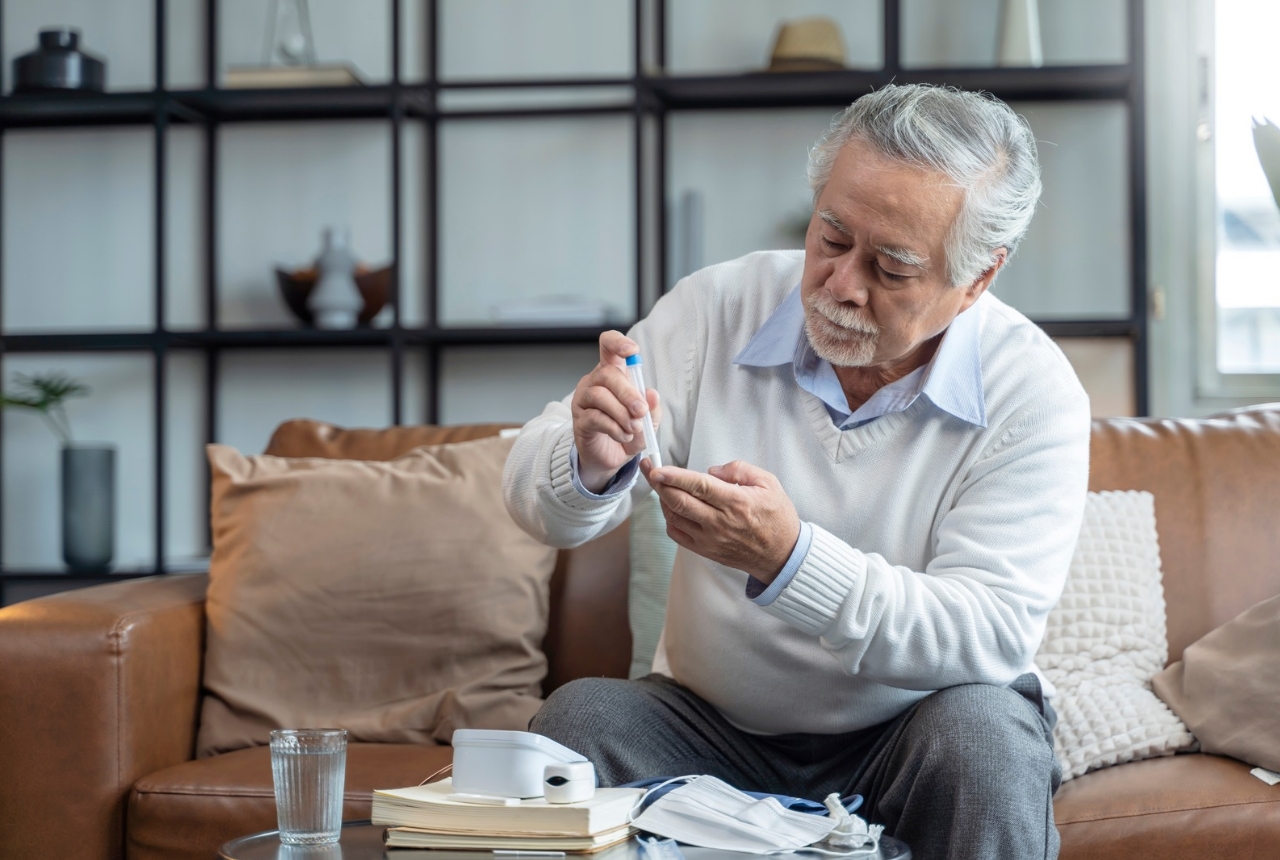
There comes a moment when you sit quietly in your home, look around at the familiar walls, and realize life has changed in ways you never expected. Maybe the house is quieter now. Maybe the routines are different. Maybe you catch yourself reheating the same cup of coffee three times because nobody interrupted you and somehow you still forgot it existed.
Living alone after 70 is not automatically sad, lonely, or difficult. In many ways, it can actually feel peaceful and freeing. You answer to yourself. You set your own pace. You can watch whatever you want on television without negotiating with anyone else. That part is wonderful.
Still, solo living at this stage of life also requires something deeper than independence. It requires intention.
The truth is, thriving alone after 70 has less to do with luck and more to do with creating systems that make daily life safer, smoother, and more enjoyable. It is not about pretending you can do everything exactly the way you did at 40. It is about adapting wisely while holding onto your dignity, humor, and sense of self.
These are the 10 things that truly matter when you are living alone after 70.
1. A Check-In Chain That Knows When to Worry
One of the most important things you can have is a simple system where someone expects to hear from you regularly.
It does not need to be dramatic or complicated. In fact, the simpler it is, the more likely it will work consistently.
A daily text message, a quick phone call, a porch light switched on every morning, or even a short post online can become a quiet signal that says, “I’m okay today.”
Many people underestimate how valuable this kind of routine can be until something unexpected happens.
A man named Lester, who lived alone outside town, had a simple agreement with his daughter. Every morning before 9 a.m., he sent her a single emoji. Some mornings it was a coffee cup. Other days it was a thumbs-up sign. It sounds almost silly until you realize that one winter morning he slipped outside on the ice and could not get up.
When his daughter never received the message, she knew immediately something was wrong.
That simple habit may have saved his life.
Living alone does not mean disappearing from the world. It means creating a small safety net made from consistent human connection. You do not need ten people checking on you constantly. You just need one or two reliable people who notice when something feels off.
That kind of connection matters more than most people realize.
2. A Paper Trail for Your Brain
At some point, nearly everyone experiences those moments where memory becomes a little slippery.
You walk into a room and immediately forget why you went there. You cannot remember if you already paid the bill sitting on the kitchen table. You stare at the pill organizer wondering whether you already took the afternoon medication or only thought about taking it.
Living alone means there is nobody nearby to double-check those little things for you.
That is why writing things down becomes essential.
One woman in her late seventies kept what she called her “everything binder.” Inside were notes about medications, appointments, bills, passwords, emergency contacts, and reminders for tasks she tended to forget. She even kept a section labeled “Things I Keep Forgetting I Forgot.”
It was practical, but it also gave her peace of mind.
Your system does not need to be fancy. A notebook works perfectly. A whiteboard on the refrigerator can help. Some people prefer phone reminders or voice memos. What matters is consistency.
Write down:
- Medications and schedules
- Upcoming appointments
- Bills that have been paid
- Grocery needs
- Emergency contacts
- Important passwords kept securely
- Health updates or symptoms
There is absolutely no shame in creating external reminders. It does not mean your mind is failing. It means you are adapting intelligently to changing needs.
Frankly, most younger people could benefit from doing the same thing.
3. A Small Financial Bucket Just for Joy
Too many older adults fall into survival mode financially.
Every dollar becomes reserved for emergencies, future medical costs, or leaving something behind for family. While responsibility is important, life should not become nothing but maintenance and caution.
You still deserve enjoyment.
That is why having a small “joy fund” matters so much.
One woman called hers the “spite fund” because she said it existed purely to prove she was still alive and enjoying herself. Every few months, she would use that money on something fun and completely unnecessary.

Once it was front-row jazz tickets. Another time it was a bright blue wig and an expensive cheesecake.
Honestly, good for her.
Your joy fund does not need to be large. It might simply cover:
- A nice dinner out
- Fresh flowers every month
- Better quality coffee
- Art supplies
- A short weekend trip
- A massage or spa treatment
- A comfortable new chair
- The expensive ice cream instead of the bargain version
When you live alone, it becomes easy to reduce life down to bills, medications, repairs, and errands. A small personal fund reminds you that life is still meant to contain pleasure and spontaneity.
YOU MAY LIKE


You are not simply waiting for time to pass.
You are still living.
4. A Clarity Folder for Emergency Situations
Nobody enjoys thinking about worst-case scenarios, but avoiding the topic does not make emergencies less likely.
When you live alone, there needs to be a clear plan for what happens if you suddenly cannot communicate.
That is where a “clarity folder” becomes invaluable.
This folder should contain all the essential information someone would need if you became ill, injured, or hospitalized unexpectedly.
Include things like:
- Identification copies
- Insurance information
- Medication lists
- Allergies
- Emergency contacts
- Doctor information
- Medical history
- Legal documents
- Instructions for pets
- Preferred hospital information
One older gentleman kept his emergency folder taped inside the pantry door in a bright yellow envelope. He jokingly called it his “In Case I Croak Kit.”
Humor aside, it was incredibly smart.
This kind of preparation removes confusion during stressful moments. It helps doctors, paramedics, neighbors, and family members make faster and safer decisions.
Most importantly, it protects your dignity by making your wishes known clearly.
5. A One-Touch Emergency Solution
Falls and emergencies become more dangerous when nobody else is in the house.
That reality is not meant to frighten anyone. It is simply practical.
A phone across the room does not help much if you cannot reach it. That is why some type of emergency alert system becomes incredibly valuable after 70.
Thankfully, modern options are far better than the old-fashioned devices many people imagine.
Today there are:
- Smart watches with emergency calling
- Fall-detection devices
- Voice-activated assistants
- Wearable alert buttons
- Mobile emergency apps
The important thing is choosing something easy enough to use while frightened, injured, or disoriented.
One woman slipped on a bathroom mat and could not stand up for hours because her phone was in another room. Afterward, she invested in a wearable emergency alert system and said she finally felt relaxed sleeping alone again.
Preparation is not weakness.
It is wisdom.
6. A Kitchen That Works With You, Not Against You
After 70, kitchens can quietly become dangerous places.
Heavy cookware, awkward cabinets, poor lighting, slippery floors, and difficult tools all create unnecessary strain and risk.
The solution is not giving up cooking. It is redesigning the kitchen around your current needs.

That might mean:
- Moving everyday dishes to waist-level shelves
- Replacing difficult gadgets with easier versions
- Using lighter cookware
- Adding better lighting
- Keeping a stool nearby while preparing meals
- Using appliances like air fryers or rice cookers
One woman transformed her kitchen into what she proudly called her “lazy gourmet station.” She simplified everything until cooking felt manageable again instead of exhausting.
And honestly, there is no prize for struggling unnecessarily in the kitchen.
You deserve convenience.
You deserve comfort.
You also deserve good olive oil and flavorful meals after all these years.
7. A No-Nonsense Relationship With Your Body
After 70, your body starts communicating differently.
Sometimes it whispers. Sometimes it practically screams.
The mistake many people make is ignoring those signals because they do not want to seem dramatic, needy, or weak.
That approach can become dangerous very quickly.
Living alone means nobody else notices subtle changes for you. Nobody is there to say, “You seem dizzy lately,” or “You really should get that checked.”
You have to become your own advocate.
That means:
- Taking symptoms seriously
- Discussing medication side effects honestly
- Scheduling appointments promptly
- Paying attention to balance and energy changes
- Resting when necessary
- Speaking openly with doctors
One man ignored recurring dizzy spells for months because he assumed it was nothing serious. Eventually, doctors discovered a dangerous medication interaction that could have caused severe complications.
Pay attention to your body.
You have lived inside it longer than anyone else ever will. You know when something feels wrong.
Trust that instinct.
8. A Daily Ritual That Keeps You Grounded
When you live alone, days can start blending together surprisingly fast.
Without structure, time becomes fuzzy. Tuesday feels like Thursday. Meals become random. The television stays on too long. Suddenly you realize you have barely stepped outside all week.
That is why rituals matter.
Not rigid schedules. Not exhausting routines. Rituals.
A ritual is something small but meaningful that anchors your day emotionally.
One woman started every morning with coffee on the porch while listening to gospel music. Same chair. Same mug. Same quiet moment before the day began.
That simple practice helped her feel centered.
Your ritual might be:
- Morning prayer or meditation
- Feeding birds outside
- Evening tea in a favorite chair
- Writing in a journal
- Stretching quietly every morning
- Listening to music while the sun rises
- Watering plants every afternoon
These moments may seem small, but emotionally they create stability.
They remind you that your days still matter.
9. A Hobby That Connects You to Something Bigger
Many people suggest social clubs or group activities for older adults, and sometimes those are wonderful.

Other times, they are exhausting.
Not everyone wants constant social interaction, especially after decades of busy family and work life. Still, everyone needs something engaging that creates purpose and connection.
That is where solo hobbies become powerful.
One widowed man in his eighties became fascinated with Morse code and started communicating with people around the world using a small radio setup in his apartment. He loved the quiet focus and the feeling of connection without chaos.
Your hobby does not need to impress anyone.
It only needs to make you feel alive.
Possibilities include:
- Painting
- Knitting
- Gardening
- Writing
- Reading history
- Genealogy research
- Puzzles
- Birdwatching
- Music
- Photography
- Journaling
- Learning languages
- Caring for plants
A meaningful hobby keeps the mind engaged and the spirit connected to the world beyond your walls.
10. The Courage to Ask for Help Before It Becomes a Crisis
This may be the hardest lesson of all.
Many people spend their lives being dependable, capable, and self-sufficient. Asking for help later in life can feel uncomfortable or even humiliating.
But refusing help until everything falls apart is not independence.
It is isolation.
The people who thrive while living alone after 70 are usually the ones willing to ask for assistance before situations become emergencies.
They ask someone to change the light bulb before climbing dangerously onto a chair.
EDITORS' RECOMMENDATIONS


They call the doctor early instead of waiting until symptoms become severe.
They admit when loneliness feels heavy instead of suffering silently.
Asking for help does not erase your independence. In many cases, it protects it.
Strength is not pretending you can do absolutely everything alone forever.
Strength is knowing when support will help you continue living safely and confidently.
Conclusion
Living alone after 70 is not simply about surviving quietly until the years pass.
It is about building a life that supports your safety, dignity, comfort, and joy. The most important things are rarely flashy or expensive. They are thoughtful systems, meaningful habits, practical tools, and honest relationships with yourself and others.
A simple check-in text can save your life. A small ritual can steady your mind. A hobby can reconnect you to the world. Asking for help can preserve your independence longer than stubborn silence ever will.
Most importantly, living alone does not mean living without support, purpose, or happiness.
You are still allowed to laugh loudly, buy the good ice cream, dance badly in the kitchen, and create routines that make your days feel meaningful.
You have earned that kind of life.