
Getting older does not mean becoming weak, invisible, or irrelevant. Yet, many people still treat seniors as though their best years are behind them, forgetting the strength, wisdom, and life experiences that come with age.
The truth is that people over 70 have lived through challenges that shaped their character, raised families, worked hard, and learned lessons that cannot be taught in a classroom. They still have dreams, opinions, and a desire to enjoy life, and they deserve to be treated with dignity rather than pity.
It is time to challenge the common misconceptions about aging and recognize what older adults really want others to understand. Here are 10 harsh truths about life after 70 that deserve to be said out loud.
1. We Are Not as Fragile as You Think
One of the biggest mistakes people make when dealing with seniors is treating them as though they could break at any moment. While some older adults may need extra care or assistance, that does not mean everyone over 70 is weak or incapable of handling life.
Think about everything many seniors have already survived, from raising children and working for decades to navigating financial struggles, personal losses, and difficult times in history. Those experiences have built resilience, and many older adults have a strength that younger people may not fully appreciate.
Instead of assuming that seniors need protection from every little challenge, give them the opportunity to make their own decisions. Offer help when it is needed, but never confuse kindness with treating someone like they are incapable of looking after themselves.
2. Getting Older Does Not Automatically Mean Slowing Down
There is a common perception that life becomes quiet and uneventful once someone reaches 70. People imagine seniors spending their days sitting in a chair, watching television, or waiting for someone to visit, but that picture does not reflect everyone’s reality.
Many older adults remain active well into their 80s and 90s, playing sports, exercising, traveling, and exploring interests they never had time for earlier in life. Some even discover new passions after retirement because they finally have the freedom to focus on themselves.
Age alone does not determine how active, adventurous, or energetic a person can be. Rather than making assumptions about what seniors should or should not do, allow them to decide what brings them happiness and fulfillment.
3. We Are Not Invisible, and Our Presence Still Matters
It can be frustrating when society acts as though older people no longer have anything meaningful to contribute. Sometimes, businesses seem to notice seniors only when they want to sell them retirement services, hearing aids, or products marketed specifically toward aging.
But older adults are still part of the world, with interests, ambitions, opinions, and experiences worth recognizing. They want to participate in conversations, make decisions, pursue their goals, and be treated as people who matter.
Being over 70 does not erase someone’s identity or make their contributions less valuable. Seniors deserve to be seen, heard, and included in everyday life, not pushed aside simply because they have lived longer than others.

4. We Want Respect, Not Pity
There is a difference between showing compassion to an older person and treating them as though they deserve sympathy for simply getting older. For example, struggling with a new phone or computer does not mean someone has lost their intelligence or ability to understand the world.
YOU MAY LIKE



Older adults may not be familiar with every new technology, but they have something valuable that cannot be downloaded or purchased: wisdom gained through years of real-life experience. They have faced difficult decisions, learned from mistakes, and discovered lessons that often become clear only after living through them.
Instead of looking down on seniors because they do not understand something immediately, take the time to treat them with patience and respect. They have spent decades learning how life works, and their experiences deserve appreciation rather than condescension.
5. Not Every Senior Wants the Same Kind of Life
Another unfair assumption is that everyone over 70 shares the same interests, habits, and lifestyle. Some older adults enjoy quiet afternoons at home, while others would rather spend their days walking, playing sports, meeting friends, or discovering new places.
Some love taking naps, while others remain busy from morning until evening. There are seniors who enjoy social gatherings and those who prefer their own company, just as there are younger people with completely different personalities and preferences.
Getting older does not suddenly make everyone the same. Every person has a unique identity, and seniors deserve the freedom to enjoy their lives according to their individual needs, interests, and personalities.
6. Our Voices and Opinions Still Matter
Just because someone has gray hair or has celebrated their 70th, 80th, or even 90th birthday does not mean their opinions are no longer relevant. Older adults have stories to tell, lessons to share, and valuable perspectives that can help younger generations make better decisions.
Life experience often teaches people things that cannot be fully understood through books or online advice alone. Seniors may recognize warning signs, relationship patterns, financial mistakes, and personal challenges because they have already experienced similar situations.
Of course, being older does not mean someone is always right, but their perspective deserves to be heard. When younger people dismiss every piece of advice simply because it comes from an older person, they may miss an opportunity to learn from someone else’s experiences.
Listening to seniors does not mean blindly accepting everything they say. It means recognizing that wisdom can come from experience and that meaningful conversations between generations can benefit everyone involved.
7. Aging Is Not Something to Be Ashamed Of
Wrinkles, gray hair, sagging skin, and other physical changes are natural parts of growing older. Yet, society often puts pressure on people to hide these changes, making them feel as though they must look young to remain attractive or valuable.
But every wrinkle tells part of a larger story about a life that has been lived. The years behind those physical changes may include raising children, building a career, overcoming heartbreak, celebrating achievements, and surviving difficult seasons that helped shape the person someone is today.

No one should feel forced to apologize for looking their age or undergo cosmetic procedures simply to satisfy other people’s expectations. If someone chooses to dye their hair, use skincare products, or pursue cosmetic treatments because they personally enjoy them, that is their decision, too.
The important thing is having the freedom to make those choices without shame or pressure. Growing older is not a personal failure, and there is nothing embarrassing about carrying the visible signs of a life well lived.
8. We Still Want Fun, Joy, and Adventure
Reaching 70 does not mean a person suddenly stops wanting excitement or new experiences. Older adults still want to laugh with friends, explore new places, enjoy hobbies, build relationships, and make memories that give them something to look forward to.
For many seniors, retirement creates opportunities to finally pursue interests that were put aside during years of raising children, working long hours, or caring for others. They may want to travel, learn a new skill, play a sport, or simply spend more time doing the things that make them happy.
There is no reason to assume that older people should spend the rest of their lives following a quiet, predictable routine. This stage of life can be an opportunity to embrace freedom, discover new interests, and enjoy experiences that were difficult to fit into earlier years.
Seniors have every right to live enthusiastically and make the most of their time. They do not need anyone’s permission to enjoy themselves simply because they are getting older.
9. Older Adults Are Not a Burden
One of the most painful attitudes toward aging is the idea that seniors become a burden once they need assistance or can no longer do everything independently. This way of thinking ignores the years of love, hard work, sacrifice, and service that many older adults have given to their families and communities.
Think about the parents and grandparents who worked tirelessly to provide for their children, offered support during difficult times, and helped younger family members find their footing in life. Many of them gave their time, energy, and resources without expecting anything in return.
Even when an older person becomes ill, needs daily assistance, or can no longer live independently, their worth does not disappear. Needing care is not a reason to treat someone as though they have become less important.
Caring for an older loved one can be challenging, especially when responsibilities become overwhelming, and caregivers deserve support as well. However, those difficulties should never become an excuse to forget the dignity of the person receiving care.
Older adults are not defined by what they can still do for others. They deserve compassion, gratitude, and respect simply because they are human beings with lives and experiences that matter.

10. You Do Not Have to Apologize for Living Life Your Way
After spending decades meeting responsibilities, raising families, working, and worrying about other people’s needs, many seniors finally reach a stage where they can make more decisions for themselves. Yet, some still feel pressured to explain their choices or seek approval from younger family members and society.
You should not have to apologize for the clothes you wear, the food you enjoy, the hobbies you pursue, or the way you choose to spend your free time. Whether you prefer an active lifestyle or a quiet routine, your decisions should reflect your own needs, values, and circumstances.
The same applies to spending money, exercising, socializing, and deciding how to use your time. As long as your choices are responsible and do not violate other people’s rights, you do not need to live according to someone else’s rulebook simply to make them comfortable.
This does not mean that advice from family members should always be ignored. Loved ones may have genuine concerns about your safety or well-being, but there is a difference between offering helpful advice and trying to control another adult’s life.
EDITORS' RECOMMENDATIONS


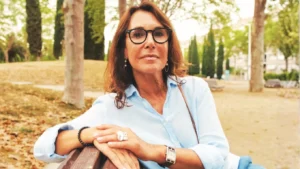
You have spent years learning what works for you, and those lessons deserve to count. Do not allow someone else’s expectations to convince you that you have lost the right to make your own decisions just because you are older.
Stand Up for Yourself and Enjoy the Life You Have Left
Growing older should not mean surrendering your independence, hiding your personality, or accepting disrespect from others. People over 70 have every right to remain active, share their opinions, enjoy new experiences, and make decisions that reflect who they are.
As the message in Ecclesiastes 7:5 reminds us, there is value in hearing the correction of the wise rather than simply listening to pleasant words. Honest conversations matter, and seniors should not feel obligated to remain silent just to protect other people’s assumptions about aging.
If someone believes you are too old to make decisions, pursue your interests, or understand your own life, do not automatically accept that judgment. You can appreciate their concern while firmly explaining that you are capable of deciding what is right for you.
Most importantly, remember that your life is a gift, and growing older does not take away your right to enjoy it. Stand up for what you believe in, recognize the wisdom you have gained, and continue living with purpose, confidence, and joy until the very end.