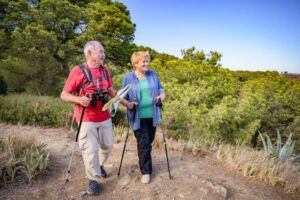
Getting older doesn’t mean you have to give up your freedom, stop exploring new places, or spend your days sitting at home. If you want to stay healthy, active, and independent well into your 80s and 90s, some of the decisions you make in your 60s can help you enjoy a better quality of life for years to come.
The good news is that you don’t need expensive supplements, complicated health routines, or extreme lifestyle changes to get started. Sometimes, a few practical purchases can make everyday life easier, encourage healthier habits, and give you more reasons to get out and enjoy yourself.
At 65, one of the smartest things you can do is start thinking about the kind of life you want to live over the next 20 years and beyond. These six purchases aren’t just about spending money on yourself. They’re investments in your health, independence, happiness, and the experiences you still want to enjoy.
1. Health Technology That Helps You Understand Your Body
For years, keeping track of your health might have meant counting your daily steps or checking your weight occasionally. However, after 60, paying closer attention to your body’s patterns can help you make more informed decisions about your daily habits.
That’s where health technology comes in. A smartwatch or a smart ring can track useful information such as your heart rate, sleep patterns, daily activity, and other health measurements, depending on the device you choose.
The goal isn’t to spend every day checking numbers or worrying about every little change. Instead, it’s about becoming more aware of your body and noticing patterns that might otherwise go unnoticed.
For example, you might discover that you sleep better when you take an evening walk or feel more tired after several nights of poor sleep. Over time, this information can help you understand how your routines affect your overall well-being.
Some devices can also alert you to unusual readings, although their measurements aren’t a substitute for medical advice or professional testing. If you notice a persistent or concerning change, speak with a healthcare professional rather than relying on your device to diagnose a problem.
You don’t need to buy the most expensive gadget on the market, either. Choose something comfortable, easy to use, and suitable for your needs, then use the information to support healthier decisions rather than becoming obsessed with the numbers.
2. Quality Walking Gear That Makes Movement Easier
If there’s one activity worth making room for as you get older, it’s walking. It can help you stay active, support cardiovascular health, maintain mobility, and give you a simple reason to spend more time outside.
However, walking becomes less enjoyable when your shoes hurt, your clothes aren’t suitable for the weather, or you’re worried about losing your balance on uneven ground. Investing in the right walking gear can remove some of these obstacles and make it easier to turn walking into a regular habit.
Start with a comfortable pair of walking shoes that fit properly and provide suitable support. If you enjoy walking outdoors, weatherproof clothing can help you stay comfortable when the temperature drops or the weather changes unexpectedly.
A small backpack is another useful purchase because it gives you somewhere to carry water, snacks, medication you may need, and other essentials. Walking poles may also be helpful for certain people, particularly when walking on uneven paths, although the right type and use depend on your balance, strength, and individual needs.
The real benefit of buying good walking gear is that it makes getting outside less of a chore. When you’re comfortable and properly equipped, you’re more likely to head out for a walk instead of finding reasons to stay indoors.

You don’t have to walk for hours or cover impressive distances to benefit from movement. Start at a level that suits your fitness, build up gradually, and focus on making regular activity part of your life.
YOU MAY LIKE



3. Access to Beautiful Places That Give You a Reason to Go Out
Sometimes, the hardest part of staying active isn’t the physical effort. It’s finding a reason to get out of the house in the first place.
Walking around the same streets every day can eventually become boring, especially when you feel as though you’re going nowhere in particular. Having access to beautiful gardens, historical landmarks, nature reserves, museums, and scenic walking routes can make your days more interesting.
Rather than treating exercise as another task on your to-do list, you can turn it into an enjoyable outing. You might spend the morning exploring a historic building, walk through a beautiful garden, or visit a peaceful location where you can sit and enjoy the scenery.
Memberships to organizations such as English Heritage or the National Trust can make these outings more convenient and affordable for people who live in or frequently visit the United Kingdom. Depending on the membership, you may gain access to multiple properties and attractions throughout the year.
You don’t necessarily need a membership to enjoy this benefit, though. Local parks, public gardens, free museums, walking trails, and community attractions can provide plenty of opportunities to explore without spending much money.
The important thing is to create reasons to leave the house that genuinely excite you. When an outing involves discovering something beautiful or interesting, staying active becomes a natural part of the experience rather than an obligation.
4. Weightlifting to Help Preserve Strength and Independence
Many people associate lifting weights with young athletes, bodybuilders, or people trying to build impressive muscles. However, strength training can be particularly valuable as you grow older because maintaining muscle strength helps support everyday independence.
As people age, they can gradually lose muscle mass and strength, a process known as sarcopenia. This can make ordinary activities, such as climbing stairs, getting up from a chair, carrying shopping bags, or recovering from a stumble, more difficult over time.
The solution isn’t to become a bodybuilder or spend every day lifting heavy weights. Regular resistance training, performed at an appropriate level, can help older adults maintain or improve strength, balance, and physical function.
You could start with two strength-training sessions each week, as suggested in the original video, while allowing time for recovery between sessions. Depending on your abilities and preferences, your routine might include resistance machines, light dumbbells, resistance bands, or suitable bodyweight exercises.
If you’re new to strength training, consider working with a qualified trainer who has experience helping older adults exercise safely. Anyone with significant health concerns, persistent pain, or mobility limitations should seek appropriate professional guidance before starting a new routine.

The goal is to make your body more capable of handling everyday life. Preserving strength can help you continue doing the things you enjoy, from travelling and gardening to playing with grandchildren and carrying your own bags.
5. Books, Audiobooks, and Podcasts That Keep Your Mind Active
Looking after your physical health is important, but your mind also deserves attention as you get older. Learning new things, exploring different ideas, and staying curious can make life more interesting while giving you enjoyable ways to spend your time.
It’s easy to fall into a routine of watching television, scrolling through social media, and repeating the same activities every day. There’s nothing wrong with relaxing in front of the television, but when passive entertainment takes up nearly all your free time, you may miss opportunities to learn and explore.
Books are an excellent place to start if you enjoy reading. You can explore history, science, biographies, personal development, travel, or any subject that makes you curious about the world.
Audiobooks are especially useful if reading printed pages has become uncomfortable or difficult. You can listen while walking, cooking, travelling, or relaxing at home, making learning easier to fit into your everyday routine.
Podcasts offer another convenient way to discover new ideas and hear different perspectives. You might follow interviews with interesting people, listen to educational discussions, or explore subjects you’ve always wanted to understand better.
You don’t need to turn learning into another demanding responsibility. Even setting aside a little time each day to read or listen to something interesting can help keep curiosity alive and give you fresh topics to discuss with friends and family.
6. Portable Comfort That Makes Days Out More Enjoyable
This final purchase might seem less important than health technology, walking shoes, or gym equipment, but it can make a surprising difference to how often you enjoy spending time outdoors. Sometimes, the only thing standing between you and a lovely afternoon outside is the lack of a comfortable place to sit or something convenient to bring along.
A lightweight folding chair, a picnic blanket, a flask, and a small cool bag can make an ordinary outing feel much more enjoyable. These simple items allow you to take breaks, enjoy refreshments, and spend more time in places you love without feeling uncomfortable.
Imagine visiting a beautiful park with a friend or taking a scenic walk with your partner. Instead of worrying about finding somewhere to sit, you can bring a portable chair or blanket and enjoy a peaceful break whenever you need one.
A flask filled with your favourite hot drink can be especially welcome during cooler weather. A small bag with water and snacks can also help you stay comfortable on longer outings, provided you plan according to the weather and the length of your trip.
These purchases don’t have to cost much, and you don’t need to buy everything at once. Start with the items that would make your favourite activities easier, then add other things as you discover what you actually use.
The bigger benefit is that comfort can make it easier to say yes to invitations and spontaneous plans. When spending time outdoors feels convenient and enjoyable, you’re more likely to create opportunities for meaningful experiences with the people you care about.

Why These Six Purchases Matter More After 60
At first glance, these six things might look like an ordinary shopping list. A health tracker, a good pair of walking shoes, a membership to interesting places, some weights, a few books, and a portable chair don’t seem particularly extraordinary.
However, each purchase can support a habit that makes everyday life better. Health technology can help you monitor useful patterns, walking gear can encourage movement, and access to interesting places can give you more reasons to explore the world around you.
Strength training helps you work towards maintaining your physical capabilities, while books and podcasts give you opportunities to keep learning. Portable comfort makes outings more enjoyable and can help you spend more time with family and friends.
The common theme is that these purchases make it easier to do the things that matter. They remove small obstacles that might otherwise discourage you from exercising, learning, exploring, or enjoying time outside.
You also don’t need to spend a fortune to benefit from these ideas. Choose affordable options that suit your lifestyle, and remember that the purpose of each purchase is to support a useful habit rather than collect more possessions.
EDITORS' RECOMMENDATIONS



Most importantly, start with what you need now instead of waiting until a problem forces you to make a change. Taking practical steps to support your health, mobility, and enjoyment of life can help you make better use of the years ahead.
Conclusion
Getting older doesn’t mean you have to stop being active, curious, or independent. As the original video explains, the aim isn’t to live forever but to make the years ahead as healthy, enjoyable, and fulfilling as possible.
These six purchases are small ways to support that goal, from investing in walking shoes and strength training to discovering beautiful places, learning new things, and making outdoor experiences more comfortable. They’re not simply guilty pleasures but practical investments in the quality of your life.
Now it’s your turn to share your experience. What have you bought after 60 that has genuinely improved your life, or what are you thinking about buying next?
Your advice could help someone else discover a simple way to make their life better. After all, we can learn a great deal from people who have already travelled the road we’re walking.