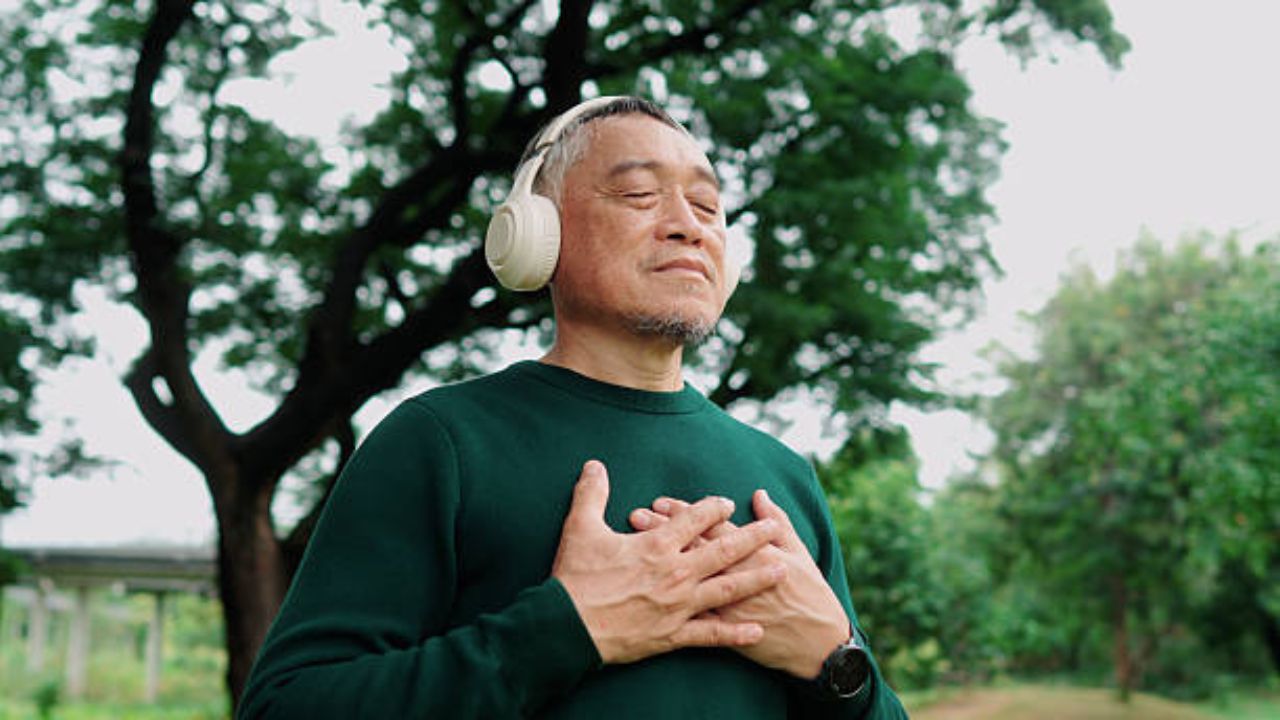
Turning 60 has a way of changing how you see life. Things you once considered important may no longer feel worthwhile, and habits you’ve followed for decades can suddenly seem like a waste of time, energy, and happiness.
The truth is, getting older isn’t the problem. The real problem is carrying the same expectations, fears, and obligations into a new chapter of life without stopping to ask whether they still serve you. After 60, you begin to understand that your peace matters, your time is valuable, and you don’t have to spend the rest of your life trying to please everyone else.
This is the stage when you can finally start making choices based on what genuinely matters to you. Here are seven things that make no sense after 60 and why letting go of them can make your life happier, lighter, and more meaningful.
1. Putting Everyone Else’s Happiness Before Your Own
For much of your life, you’ve probably put other people first. You raised children, supported your partner, helped aging parents, worked hard, and made sacrifices for people who depended on you, often without stopping to consider what you needed for yourself.
Over time, putting yourself last can become such a normal habit that choosing your own happiness starts to feel selfish. You might even feel guilty about spending money on yourself, taking a break, or saying no when someone asks for your help.
But after 60, it’s time to recognize that your happiness matters just as much as everyone else’s. Taking care of your health, protecting your peace, and making time for activities you enjoy doesn’t mean you love your family any less.
In fact, when you’re rested, healthy, and emotionally fulfilled, you often have more patience and energy for the people you love. Instead of constantly giving from an empty cup, you can show up for others as a happier and more present version of yourself.
You’ve spent decades doing your best for everyone around you, and there’s nothing wrong with finally giving yourself some of that same attention. Your needs deserve a place in your life, too.
2. Saving All Your Money for a Future You Never Enjoy
Saving money is a responsible habit, especially when you’re younger and building a career, raising a family, or preparing for retirement. However, reaching 60 is a good time to reconsider whether you’re still saving out of necessity or simply following a habit you’ve carried for years.
Some people spend their entire lives working toward a comfortable future, only to reach retirement and continue denying themselves the things they can afford. They hesitate to take a trip, enjoy a special meal, or pursue a hobby because they’re afraid to touch the money they’ve worked so hard to accumulate.
Of course, this doesn’t mean you should spend recklessly or ignore your financial responsibilities. Maintaining an emergency fund, planning for healthcare, and making sure your savings can support you throughout retirement are still important.
The difference is learning to balance financial security with enjoying the life you’ve worked so hard to build. If your finances allow it, consider using some of your resources to create meaningful experiences rather than endlessly watching your savings grow.
You could take that trip you’ve always wanted, treat yourself to something special, explore a new hobby, or spend quality time with family and friends. You might even choose to help loved ones while you’re still here to see the happiness your generosity brings.
Think about it this way: the belongings you accumulate may eventually be sold, donated, or passed on, but the memories you create can stay with you for the rest of your life. You don’t want to spend your healthiest years preparing for a future without making room to enjoy the present.
3. Constantly Saying, “I’ll Do It Someday”
How many times have you told yourself that you’ll do something someday? Perhaps you’ve always wanted to visit a particular country, learn to play an instrument, take a cooking class, or spend more time exploring the world around you.
It’s easy to keep postponing these things because there’s always another responsibility to handle. You tell yourself you’ll travel when work slows down, start that hobby when you have more time, or reconnect with old friends when life becomes less busy.

But the problem with someday is that it can keep moving further away. Your health, energy, finances, and circumstances can change, and the opportunities you have today may not always be as easy to enjoy in the future.
YOU MAY LIKE



After 60, it makes sense to stop treating your dreams as things you’ll get around to eventually. If something matters to you and you can reasonably pursue it now, start finding ways to make it happen.
You don’t need to plan an expensive vacation or embark on a grand adventure to make life more fulfilling. A weekend away, a long walk in a beautiful place, dinner with an old friend, or learning something new can bring just as much happiness.
It’s also worth thinking about the things you want less of in your life. Perhaps you want fewer exhausting commitments, less time worrying about things beyond your control, or fewer days spent doing chores that could be simplified.
When you deliberately remove some of the things that drain your time and energy, you create room for experiences that make you feel alive. The goal isn’t to fill every day with activities, but to stop postponing the things that give your days meaning.
4. Trying to Impress People Who Don’t Really Matter
When you’re younger, it’s easy to become caught up in what other people think about you. You may feel pressure to own a nice car, maintain an impressive home, wear certain clothes, or reach particular milestones because you want others to see you as successful.
Sometimes, these expectations influence decisions you wouldn’t otherwise make. You spend money you could have saved, accept situations that make you uncomfortable, or compare your life with people whose circumstances you barely understand.
By the time you reach 60, you have probably learned that most people are far more concerned with their own lives than with judging yours. The people you imagine you’re trying to impress may not even notice the sacrifices you’re making to maintain appearances.
Recognizing this can be incredibly freeing. You no longer have to dress to satisfy someone else’s expectations, spend money to keep up with your neighbors, or pretend to enjoy things that don’t interest you.
Instead, you can focus on what genuinely makes you happy. If you prefer a simple home, comfortable clothes, quiet weekends, or inexpensive hobbies, there’s no reason to feel embarrassed about those choices.
Letting go of the need for approval also makes your relationships more authentic. You can spend time with people because you enjoy their company rather than because you want to maintain a certain image.
Your life doesn’t need to look impressive to someone else to be meaningful. At this stage, the freedom to live according to your own values is far more rewarding than chasing approval you’ll never fully receive.
5. Refusing to Learn New Technology
Technology can feel overwhelming, especially when the tools you grew up using seem completely different from the ones people rely on today. You might look at smartphones, artificial intelligence, online services, or unfamiliar apps and decide that learning them simply isn’t worth the trouble.
It’s understandable to feel that way, particularly when older methods have served you well for decades. However, refusing to try anything new because you believe you’re too old to learn can prevent you from discovering tools that could make everyday life easier.
You don’t need to become a technology expert or understand every new trend. Learning how to use a few practical tools can help you organize your schedule, plan trips, explore hobbies, communicate with loved ones, and find information more easily.

For example, you could learn to make video calls with family members, use a digital calendar to keep track of appointments, or experiment with AI tools to generate ideas for a hobby. Even small steps can open up new possibilities and help you feel more confident in an increasingly digital world.
Learning something unfamiliar also encourages you to remain curious. Instead of assuming that your best learning years are behind you, you give yourself opportunities to discover new interests and develop new skills.
Your experience and wisdom don’t become less valuable because technology changes. In fact, combining what you’ve learned throughout your life with new tools can make you even more adaptable.
You don’t have to abandon the old ways that still work for you. Just remain open to discovering better or more enjoyable ways of doing things, because curiosity doesn’t have an age limit.
6. Saying Yes to Every Obligation
For years, you may have felt that being a good parent, partner, friend, or family member meant always being available. You accepted invitations, agreed to help whenever someone asked, and attended events even when you were tired or would have preferred to spend your time differently.
Sometimes, you said yes because you genuinely wanted to help. Other times, you did it because you feared disappointing people, appearing selfish, or dealing with the guilt that comes with turning someone down.
After 60, constantly giving your time away can leave you exhausted and resentful. You may find yourself rushing from one obligation to another while the activities and relationships you genuinely enjoy keep getting pushed aside.
This is why learning to say no becomes so important. You don’t owe everyone unlimited access to your time, and you don’t need to provide a lengthy explanation every time you decide not to participate in something.
You can politely decline an invitation, limit how often you volunteer to help, or choose to spend a quiet afternoon at home instead of attending another event. Saying no to something that drains you can mean saying yes to your health, comfort, and peace of mind.
Of course, this doesn’t mean withdrawing from the people who matter or refusing to help when someone genuinely needs you. It means making thoughtful choices rather than automatically accepting every request that comes your way.
Imagine having more mornings to enjoy your tea without rushing, more afternoons to read or garden, and more opportunities to spend time with people whose company makes you happy. These simple pleasures become easier to enjoy when your schedule isn’t controlled by everyone else’s expectations.
You may feel guilty the first few times you establish boundaries, but that discomfort doesn’t mean you’re doing something wrong. Your time is valuable, and learning to protect it is one of the most useful habits you can develop after 60.
7. Holding On to Old Grudges and Emotional Baggage
Most people carry some painful memories from the past. Perhaps someone betrayed your trust, a relationship ended badly, a family argument was never resolved, or you spent years waiting for an apology that never came.
When these experiences remain unresolved, it’s easy to keep replaying them in your mind. You may find yourself remembering what someone said, imagining what you should have done differently, or becoming upset all over again about something that happened many years ago.

The problem is that repeatedly revisiting old hurts can take attention away from the life you’re living today. You cannot change what happened, but you can decide how much space those memories will continue to occupy in your mind.
After 60, peace can become more important than proving that you were right. You may begin to realize that winning an old argument or getting someone to admit their mistakes isn’t worth sacrificing your happiness in the present.
Forgiveness can help you move forward, but it doesn’t mean pretending that the hurt never happened. It doesn’t require you to excuse harmful behavior, forget what you’ve learned, or welcome someone back into your life when doing so would be unhealthy for you.
Sometimes, letting go simply means accepting that you’ll never receive the apology you deserved. Other times, it means forgiving yourself for past mistakes and recognizing that you made the best decisions you could with the understanding you had at the time.
You don’t have to carry every disappointment with you for the rest of your life. When you stop allowing old conflicts to control your thoughts, you make more room for laughter, meaningful relationships, and the simple pleasures of everyday living.
Perhaps the greatest benefit is the relationship you develop with yourself. You become more patient, less consumed by bitterness, and better able to appreciate the good things that are still part of your life.
Make the Years Ahead Count
Reaching 60 is an opportunity to rethink how you want to live. After decades of working, raising a family, meeting responsibilities, and preparing for the future, you finally have the chance to make more deliberate choices about what deserves your time and attention.
EDITORS' RECOMMENDATIONS



Prioritizing your happiness, enjoying your resources responsibly, pursuing experiences, letting go of other people’s opinions, embracing technology, protecting your time, and releasing old grudges can all help make this chapter more fulfilling. You don’t have to change everything overnight or suddenly become a completely different person.
Start by asking yourself a few honest questions: What brings me peace? What makes me happy? Which responsibilities genuinely matter to me, and what am I continuing to do simply out of habit? Your answers can help you decide what to keep, what to change, and what you’re finally ready to leave behind.
Life after 60 doesn’t have to be about proving yourself, meeting other people’s expectations, or constantly preparing for some distant future. It can be about enjoying meaningful relationships, exploring your interests, appreciating ordinary moments, and finding the freedom to live in a way that feels right for you.
As you grow older, you may discover that life isn’t necessarily moving too quickly. Instead, the quieter moments begin to reveal what matters most, from the people who stand by you to the experiences you’ve yet to enjoy and the peace you’ve worked so hard to find.
You’re not too old to grow, dream, learn, or change. The years ahead deserve to be lived with intention rather than spent following habits that no longer serve you.
So, stop waiting for someday and start making room for the things that matter today. You’ve spent much of your life building the future, and now it’s time to enjoy the life you’ve worked so hard to create.