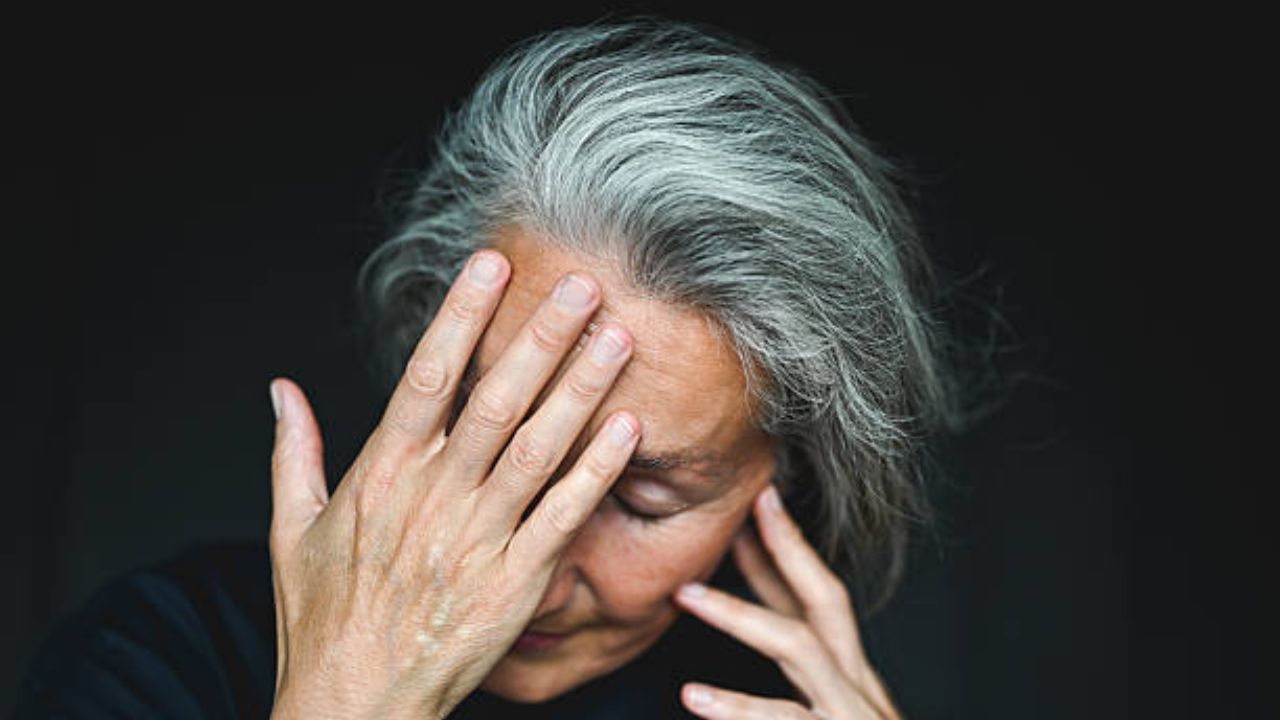
Turning 60 made me look at life differently. I began to realize that time and good health are two of the most valuable things we have, and I no longer wanted to waste them on habits, expectations, and routines that didn’t make me happy.
For most of my adult life, I was caught up in the race to achieve more, earn more, get ahead, and constantly improve myself. But as I got older, I started questioning whether all that effort was really making my life better or simply leaving me stressed, exhausted, and struggling to keep up.
That’s when I decided to let go of certain things. Some changes were necessary for my health, while others helped me simplify my daily life and enjoy the present moment. Surprisingly, giving up these habits didn’t make my life smaller. It gave me more energy, less stress, and a greater sense of peace.
If you’re in your 50s or 60s and beginning to wonder what really matters in this next chapter of life, these five changes might give you something to think about.
1. I Stopped Setting Rigid Goals for Everything
For years, I believed that setting goals was the key to making progress in life. I wanted to improve, achieve more, and always have something to work toward, but turning 60 changed how I viewed the whole process.
I haven’t given up on my dreams or stopped wanting to experience new things. I simply stopped believing that everything I wanted to accomplish needed a deadline, a detailed plan, or a complicated spreadsheet to make it worthwhile.
These days, I prefer living with intention rather than constantly chasing goals. I still want to stay healthy, visit new places, and enjoy my life, but I allow my natural energy and interests to influence how I spend each day.
For example, I don’t need a carefully structured goal to encourage me to walk or visit the gym a couple of times a week. I understand the importance of staying active, so I build those habits into my routine without turning them into another source of pressure.
I’ve also started focusing on what I call anti-goals. Instead of concentrating only on what I want to achieve, I think about the things I want to avoid and make decisions that help me stay away from them.
One example is my desire to avoid regaining the weight I’ve lost over the past few years. To support that decision, I walk three to five miles a day, visit the gym at least twice a week, and follow a diet that includes plenty of fish, chicken, vegetables, fruit, and whole foods.
The difference is that I’m no longer doing these things to satisfy a rigid target or impress anyone. I’m doing them because I want to remain healthy and enjoy my life for as long as possible.
As we get older, flexibility becomes increasingly valuable. There’s nothing wrong with having dreams, but we don’t have to turn every dream into another deadline that makes us feel like we’re falling behind.
2. I Gave Up Lifting Heavy Weights Just to Prove Myself
I still go to the gym at least twice a week, but I’ve completely changed the way I approach my workouts. Before turning 60, I believed that a good session meant lifting heavy weights, performing exercises such as squats, deadlifts, and bench presses, and leaving the gym feeling completely exhausted.
Unfortunately, my knees, shoulders, and elbows didn’t always agree with that approach. By my late 50s, I was spending so much time dealing with muscle strains and other injuries that exercising sometimes felt more like a setback than a benefit.
Eventually, I realized that I didn’t need to push myself to the limit every time I entered the gym. My goal was to stay strong and healthy, not to compete with younger men or prove that I could lift as much weight as they could.

Now, I focus on joint-friendly exercises and perform one challenging set of around 12 to 15 repetitions. I aim to finish my workout in less than an hour, allowing me to maintain my muscle mass without putting unnecessary strain on my body.
YOU MAY LIKE


This approach has made a noticeable difference in how I feel. I experience fewer strains, recover more easily between sessions, and can maintain a regular exercise routine without constantly worrying about the next injury.
One of my biggest concerns as I grow older is losing the muscle strength that helps me remain independent. I don’t want to reach a point where weakened leg muscles make ordinary activities difficult or prevent me from moving around comfortably.
That’s why I’ve stopped comparing my workouts with those of younger people at the gym. I’m focused on my own needs, my own health, and what makes sense for my body at this stage of life.
The lesson is simple: exercise should support your health, not become a competition that puts it at risk. You can continue building and maintaining strength as you age without treating every workout like a test of your limits.
3. I Quit Drinking Alcohol During the Week
For a long time, drinking alcohol was simply part of my weekly routine. I might have half a bottle of wine in the evening and enjoy a few beers with a curry on Friday night without thinking too much about how those habits were affecting me.
Looking back, my drinking habits were part of a lifestyle that contributed to problems with my weight and overall health. I also experienced issues with my energy levels, sleep, and mood, and I eventually had my gallbladder removed after suffering from gallbladder pain for about ten years.
I can’t attribute all those health problems to alcohol alone, but the experience made me take my lifestyle choices more seriously. I began to understand that the things I did regularly, even when they seemed harmless, could have a significant effect on how I felt over time.
These days, I avoid alcohol completely during the week and only drink occasionally at weekends. If I fancy a glass of wine, a small beer, or a little whisky, I might have one, but I no longer feel that drinking needs to be a regular part of my routine.
Sometimes, I go for weeks without touching alcohol at all. I don’t need to wait for a special challenge such as Dry January or Sober October to take a break because I can simply decide not to drink.
One of the biggest benefits I’ve noticed is better sleep. I also appreciate knowing that I’m not deliberately doing something that could leave me feeling sluggish or affect my energy the following day.
My attitude toward drinking has changed completely. Rather than drinking out of habit, boredom, or because it’s part of my weekly routine, I make a conscious decision about whether I actually want a drink.
As we get older, paying attention to how our habits affect our bodies becomes increasingly important. For me, drinking less has been a straightforward way to support a healthier lifestyle and enjoy more of my time feeling good.

4. I Stopped Scheduling Appointments Before Noon
One of the simplest changes I’ve made since turning 60 is refusing to schedule appointments before noon whenever I can avoid it. My mornings have become a protected part of my day, and I enjoy having the freedom to wake up slowly instead of immediately rushing out the door.
I don’t use an alarm clock because I prefer waking according to my natural sleep rhythm. I’m naturally more of a night owl, so I usually wake up around 7 or 8 a.m. after getting approximately eight hours of sleep.
Once I’m awake, I follow a simple routine that allows me to ease into the day. I start with a large glass of water, followed by a freshly brewed cup of coffee, which is the first of three cups I typically have throughout the day.
When the weather allows, I head outside for a short walk of around 20 to 30 minutes. This is one part of my daily walking routine, as I prefer to divide my five-mile target into three or four shorter walks rather than trying to complete the entire distance at once.
After returning home, I prepare my usual breakfast. I have bran flakes with Greek yogurt, a little honey, some nuts, skimmed milk, and a banana on top.
There’s nothing particularly complicated about this routine, and that’s precisely why I enjoy it. I don’t have to make dozens of decisions first thing in the morning or rush through a long list of tasks before I’ve even had time to wake up properly.
Of course, not everyone has the freedom to avoid early appointments, especially if work, family responsibilities, or medical needs require a different schedule. But if your circumstances allow it, protecting some quiet time in the morning can make your day feel much less rushed.
I’ve come to appreciate the value of starting the day calmly rather than immediately responding to other people’s schedules. After spending so many years trying to keep up with everything, I now enjoy having a little space to myself before the rest of the day begins.
5. I Stopped Buying Things on Impulse
I used to find it far too easy to buy things I didn’t really need. I’d see an interesting gadget on television, become curious about it, and sometimes find myself ordering it from Amazon late at night without giving the purchase much thought.
The problem wasn’t necessarily the cost of any individual item. It was the habit of constantly bringing new things into my home, many of which eventually became clutter that I had to store, organize, or get rid of.
When my wife and I moved house at the age of 60, we decluttered approximately 75 percent of our possessions. That experience made me realize just how much unnecessary stuff I had accumulated over the years, and I had no intention of filling the house with more of it.
Since then, I’ve followed a simple rule: whenever I bring one new item into the house, I get rid of two existing items. If I buy a book, for example, I find two books I no longer need, and if I buy three pairs of socks, I get rid of six old pairs.
It sounds like a small change, but it makes you think much more carefully about what you purchase. When you know that buying something new means letting go of two other things, you become far more selective about what deserves a place in your home.
I’ve also realized that boredom was often behind my impulse spending. Sometimes, I wasn’t buying something because I genuinely needed it or because it would improve my life; I was simply looking for a little excitement.

Now, I try to pause before making a purchase and ask myself whether the item is genuinely necessary. I also appreciate the principles of minimalism and essentialism, which encourage people to focus on what adds value to their lives rather than accumulating possessions simply because they can.
I’m not trying to become a strict minimalist or follow every rule associated with essentialism. I just want to be more intentional about the things I own and avoid returning to the clutter I worked so hard to clear.
As we get older, there’s something satisfying about having fewer possessions to manage. Instead of spending time organizing things I barely use, I can focus more on the experiences, relationships, and everyday activities that make life enjoyable.
What Giving Up These Five Habits Taught Me About Life After 60
When I look back at my younger years, I realize that many of these habits were deeply ingrained in me. I was always trying to achieve more, push myself harder, keep up with other people, and find ways to improve every part of my life.
At the time, I thought that was simply what being productive and successful meant. But eventually, I began to see how much pressure I was putting on myself and how little time I was leaving to enjoy the life I was working so hard to build.
EDITORS' RECOMMENDATIONS


Letting go of these habits has helped me regain a sense of balance. I have more energy, less stress, and greater peace of mind because I’m no longer trying to win a race that I don’t even want to be part of anymore.
That doesn’t mean I’ve stopped caring about my health, my future, or the things I want to experience. It means I’m more interested in living well than constantly trying to prove something or meet expectations that no longer matter to me.
Conclusion
Turning 60 taught me that giving things up doesn’t always mean losing something valuable. Sometimes, the habits we abandon are precisely the things that have been holding us back from enjoying life to the fullest.
By giving up rigid goal setting, lifting excessively heavy weights, drinking alcohol during the week, scheduling early morning appointments, and impulse spending, I’ve gained more than I expected. I’ve gained mental peace, energy, clarity, and the freedom to live at a gentler pace.
The most important lesson is that getting older doesn’t mean giving up on life. It’s about recognizing what matters most, protecting your health, and making room for the things that bring you genuine enjoyment.
Now, I’d love to hear from you. What’s one thing you’ve stopped doing as you’ve gotten older, and do you agree or disagree with these five changes? Share your thoughts in the comments because your experience might help someone else discover a better way to enjoy the next chapter of life.