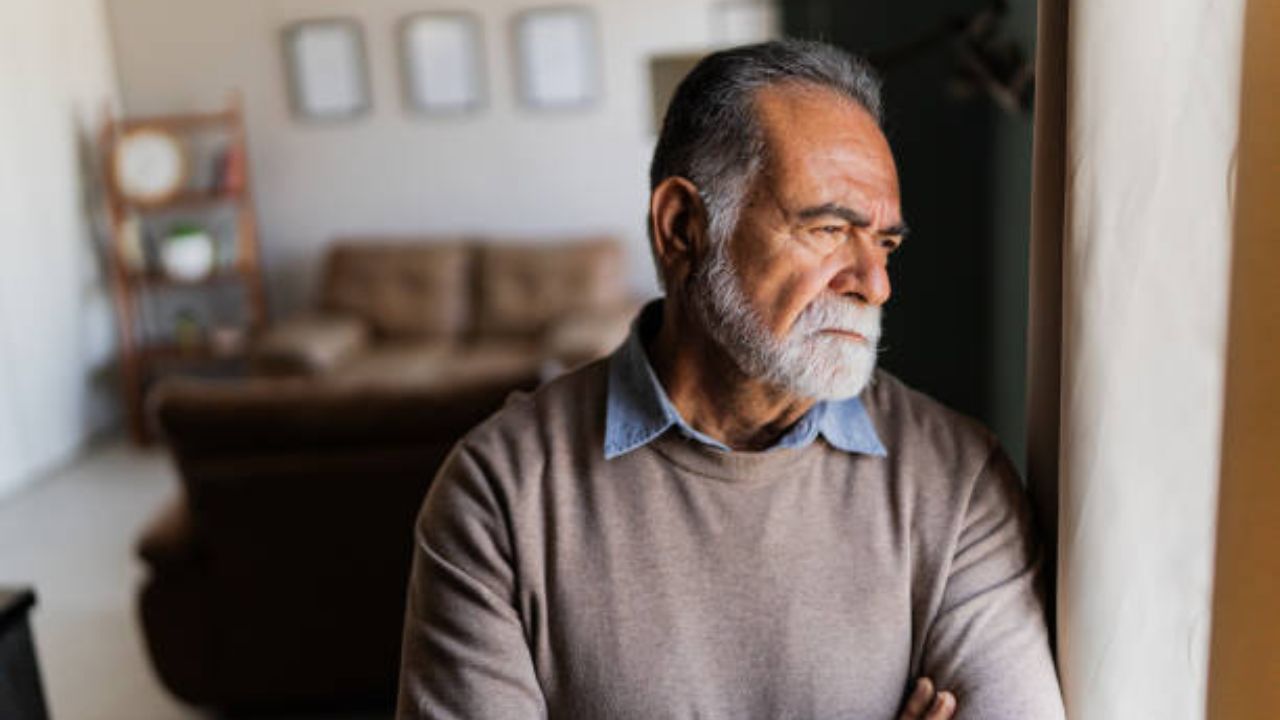
Getting older has a way of changing how you see life. Things that once seemed important suddenly matter less, while the simple things you took for granted become the things you wish you had appreciated more.
After spending years talking with people preparing for retirement, one thing becomes clear. People in their 70s and beyond often look back at their 50s and 60s and realize there were things they could have done differently to make their later years happier, healthier, and more fulfilling.
The interesting part is that most of their regrets have little to do with how much money they made or how successful they became. Instead, they talk about time, health, relationships, personal happiness, and the opportunities they wish they hadn’t postponed.
If you’re currently in your 50s or 60s, these ten life lessons from people who have already walked that road are worth paying attention to. You still have time to make meaningful changes, enjoy new experiences, and build the kind of life you’ll be grateful for when you reach 70.
1. Recognize the Three Phases of Life and Don’t Miss the Golden Window
Life tends to move through three major phases, and each comes with its own advantages and challenges. Understanding these phases can help you make better decisions about how you spend your time.
During your 20s and 30s, you usually have plenty of time and good health, but money can be tight. You’re building your career, raising a family, paying bills, and trying to establish yourself, so enjoying life often takes a back seat.
Then comes your 40s and 50s, when your finances may finally become more comfortable. Your health is still relatively good, but time becomes harder to find because of work responsibilities, family obligations, deadlines, and everything else competing for your attention.
Finally, you reach retirement, where time becomes more available and your financial situation may be more stable if you’ve planned properly. Unfortunately, your health and energy levels might not be what they used to be.
But there’s a special window between these last two phases. For many people, it happens in their late 50s and 60s, when they have enough money, reasonable health, and more freedom to enjoy life.
Many people in their 70s say they wish they had taken advantage of this period instead of constantly postponing their plans. One retiree, for example, spent years dreaming about hiking the Appalachian Trail but kept delaying the adventure because of work.
By the time he reached 70, his knees could no longer handle the challenge. His story is a reminder that you shouldn’t keep putting off the experiences you want to enjoy.
If you have the health, money, and opportunity to travel, relocate, explore new places, or spend more time doing what you love, take advantage of it while you can. The memories you create now may become some of your most treasured possessions later.
2. Make Room for Three Different Kinds of Time
One thing older retirees often regret is spending too much of their lives focused on work while neglecting the activities that genuinely made them happy. They eventually realize that life needs more than career achievements and family responsibilities.
There are three important types of time you should make room for: career time, relationship time, and renewal time.
Career time includes meetings, emails, commutes, business responsibilities, and everything else connected to earning a living. Relationship time covers family dinners, weekends with friends, date nights, and the moments you spend with people who matter to you.
But renewal time is something many people overlook. It includes the activities that recharge your mind and make you feel alive, whether that’s taking a quiet walk along the beach, playing an old arcade game, listening to music, or picking up a guitar you haven’t touched in years.
A former executive once shared how rediscovering his love for the beach completely changed his life. After decades of working in the corporate world, he eventually moved closer to the ocean and found peace in walking along the shore, breathing fresh air, and listening to the waves.
That simple change also helped him become a better husband and father. He discovered that having time for himself made it easier to enjoy the people around him.
Your renewal activities don’t have to involve beaches or expensive vacations. The important thing is to identify what makes you happy and deliberately create time for it.
Think of your time as a pie. If you give almost every slice to your career, there won’t be much left for relationships or personal happiness.
3. Master the Art of Saying No
Learning to say no becomes increasingly important as you get older. During your younger years, saying yes to opportunities can help you build a career, meet new people, and open doors that might otherwise remain closed.
However, by the time you reach your 50s and 60s, constantly saying yes can become exhausting. You may already have a full schedule, and accepting every request can leave you with very little time for the things that matter most.
Many people in their 70s regret allowing other people’s expectations to control their lives. They wish they had been more selective about the commitments they accepted and the responsibilities they continued carrying.

One woman, for example, turned down a promotion that would have added more pressure to her already busy life. Instead, she used the opportunity to relocate earlier, enjoy warmer weather, reduce her living costs, and create more space for her grandchildren to visit.
It wasn’t an easy decision, but it gave her something more valuable than another career achievement: peace of mind.
You should also learn to say no to draining commitments, negative friendships, and family events that leave you feeling exhausted rather than happy. This doesn’t mean you stop caring about people, but you recognize that your time and energy deserve protection.
YOU MAY LIKE



You’ve spent years working, raising families, and meeting responsibilities. It’s perfectly reasonable to start making decisions based on what you genuinely want from the next chapter of your life.
4. Understand That Time Becomes More Valuable Than Money
When you’re in your 50s and 60s, it’s easy to keep thinking about saving more money. While financial security is important, many people in their 70s eventually realize that time is something they should have valued much more.
You can open your bank account and see exactly how much money you have saved. However, nobody knows how much time they have left to enjoy it.
Money can grow through investments and savings, but time only moves in one direction. That’s why spending every available hour trying to save a little money may not always be the smartest decision.
If you dislike doing yard work, for example, consider hiring someone to handle it. Instead of spending your afternoon doing something you hate, you could use that time to take a long walk, explore your community, or enjoy a hobby.
One couple discovered this after deciding to stop handling every home repair project themselves. By paying professionals to take care of certain tasks, they gained more time to explore their new community and discover activities they had never considered before.
They later described it as getting months of their lives back. Sometimes, spending money wisely is simply a way of buying back your time.
You should also invest in healthy habits that can help you enjoy more active years. Simple routines like daily walks, regular exercise, and preparing nutritious meals can make a meaningful difference in your long-term well-being.
The goal isn’t just to accumulate money for retirement. It’s to build a life where you have enough time and energy to enjoy the things you’ve worked so hard to afford.
5. Invest in Your Health Before It Becomes a Problem
Your health plays a major role in determining how much freedom you’ll have as you get older. You might have enough money to travel, move to a beautiful location, and enjoy new experiences, but poor health can make those things much harder.
That’s why many people in their 70s wish they had taken their physical health more seriously when they were younger. They realize that staying active earlier could have given them more opportunities to enjoy retirement.
One man in his 60s started going to the gym and doing regular strength training after discussing his retirement plans. Improving his fitness helped him stay active enough to relocate to Myrtle Beach, South Carolina, where he could enjoy warmer weather and spend more time outdoors.
He also left behind the cold New York winters that had been aggravating his joint discomfort. His improved fitness gave him more freedom to enjoy his new surroundings.
You don’t need to become a professional athlete or spend hours exercising every day. Consistency is what matters, and small activities such as walking, strength training, and maintaining healthy eating habits can support your physical well-being.
Your mental health matters just as much. Spending time outdoors, enjoying sunny days, and living in an environment where you feel comfortable can have a positive effect on your mood and outlook.
Think of your health as an investment that compounds over time. The small decisions you make today can determine how much energy and independence you have in the years ahead.
6. Build Habits That Support Your Mental and Emotional Health
Physical health is important, but there’s another part of aging that deserves just as much attention: your mental and emotional well-being. Stress, grief, loneliness, major life changes, and retirement transitions can all affect how you feel about life.
Many retirees discover that leaving the workforce creates emotional challenges they never expected. After spending decades with busy schedules and professional responsibilities, suddenly having so much free time can feel strange.
One widow in her late 60s found a new sense of happiness after relocating to a different community. She started practicing daily gratitude and joined several local community groups, which completely changed her outlook.

Instead of spending most of her time feeling isolated, she began meeting people, building friendships, and participating in activities that gave her something to look forward to.
Your surroundings also play an important role in your emotional health. If your current environment feels stressful, overcrowded, or unsafe, it may be worth considering a calmer and more comfortable place to live.
The people around you matter, too. Spending time with positive, like-minded individuals can encourage healthier habits, improve your outlook, and make retirement feel more enjoyable.
On the other hand, constantly surrounding yourself with negative people can drain your energy and affect how you see the world. As you get older, be intentional about the relationships and environments you choose.
7. Give Back and Build a Legacy That Money Can’t Buy
One of the biggest lessons people often discover later in life is that what you give to others can bring rewards that money cannot provide. Helping people, sharing your knowledge, and contributing to something meaningful can create a sense of purpose that lasts far beyond your working years.
This doesn’t mean you need to donate large amounts of money or start a charity. Sometimes, giving back simply means sharing your skills, volunteering your time, or helping someone learn something new.
The speaker shares his experience volunteering at the Myrtle Beach Pinball Museum. Having grown up enjoying arcade games and pinball machines in the 1980s, he now helps preserve that experience for younger generations.
The museum provides a place where families and friends can reconnect, laugh, and create memories together. It’s also entirely volunteer-run and supports children’s charities.
Through this experience, he discovered something important about building a legacy. It’s not always about the money you leave behind, but also about the happiness, knowledge, and positive impact you share with others.
Many people in their 70s regret not starting meaningful volunteer work or mentorship earlier. They wish they had spent more time supporting local charities, coaching young professionals, or helping their communities while they still had the energy.
Your 50s and 60s are excellent years to start. You have decades of experience, valuable skills, and knowledge that could make a real difference in someone else’s life.
Think about what makes you excited and how you could share that passion with others. The impact you create today may continue benefiting people long after you’re gone.
8. Start Tracking Your Expenses Before Retirement
Retirement can change your spending habits in ways you might not expect. When you suddenly have more free time, you may find yourself traveling more, eating out frequently, shopping, and spending money on activities you never had time for while working.
Many people in their 70s admit they spent too freely during the early years of retirement. They enjoyed trips, entertainment, and expensive purchases without paying enough attention to how quickly their savings were disappearing.
The problem isn’t that you should stop enjoying life. It’s that you need to understand where your money is going so you can continue enjoying yourself without putting your financial future at risk.
Start by tracking your regular expenses and organizing them into categories such as groceries, housing, transportation, dining, and travel. Once you know where your money goes, it’s easier to identify areas where you might be spending more than necessary.
One retiree discovered that eating out was consuming around 20% of her budget. After recognizing the problem, she reduced her restaurant spending and used the extra money to enjoy day trips with new friends.
If you’re planning to relocate after retirement, remember to include moving expenses in your budget. Moving to another state can cost $10,000 or more, depending on the distance and the amount of belongings you’re taking.
Some retirees discover that selling most of their belongings before moving and purchasing new items after arriving is a more practical option. Planning these expenses ahead of time can help prevent unpleasant financial surprises.
The important thing is to turn your retirement dreams into realistic plans. You can still have fun, travel, and enjoy new experiences without spending carelessly.
9. Downsize Smartly and Choose a Home That Supports Your Future
Your home should make your life easier as you get older, not create more responsibilities than you can comfortably manage. Unfortunately, many people wait too long before making changes to their living arrangements.
Some retirees in their 70s regret not downsizing earlier. They spent years maintaining large houses with stairs, expensive repairs, and more space than they actually needed.

As mobility changes, a house that once felt comfortable can become difficult to manage. That’s why moving into a single-story home with fewer maintenance responsibilities can be a smart decision.
Location matters just as much as the house itself. You should consider the cost of living, taxes, access to quality healthcare, nearby hospitals, outdoor activities, and opportunities to meet new people.
One couple moved from Cape Coral, Florida, to Oconee County, South Carolina, after becoming concerned about rising insurance costs and hurricane risks. They chose a single-level home near hospitals and walking trails, giving them a more comfortable environment for their retirement years.
They also gained access to community centers, book clubs, and volunteer groups where they could meet people and develop new friendships.
Before choosing your next home, think about what your needs might look like five or ten years from now. A place that works perfectly today might not be the best choice if you eventually have difficulty climbing stairs or driving long distances to see a doctor.
A good idea is to visit potential retirement destinations for a month before making a permanent decision. Attend local events, explore the neighborhoods, meet residents, and check whether doctors and medical facilities are conveniently located.
Downsizing isn’t simply about moving into a smaller house. It’s about choosing a location and lifestyle that allow you to enjoy your independence and age comfortably.
10. Don’t Retire From Something Without Retiring to Something
One mistake some people make is assuming retirement means they should stop working, slow down, and spend the rest of their lives resting. While relaxation is important, having nothing meaningful to do can quickly make retirement feel boring.
Many retirees in their 70s say they wish they had explored their interests and passions before leaving their careers. They eventually discovered that having more free time doesn’t automatically mean having a more fulfilling life.
Retirement should give you the freedom to pursue activities you’ve always wanted to try. You could volunteer, mentor younger people, start a small business, develop a side hustle, or explore a hobby that brings you genuine happiness.
One couple found a new sense of purpose after relocating to a different community. One of them started teaching history at a local college, turning retirement into an exciting opportunity to share knowledge and connect with other people.
EDITORS' RECOMMENDATIONS



That’s what makes the difference between simply stopping work and starting a new chapter. You need something that gives you a reason to get up in the morning.
If you’re considering relocating, make sure your new destination supports the lifestyle you want. Research the local community, available activities, weather, healthcare, and opportunities to pursue your interests.
Don’t choose a retirement location based only on the house or property prices. Think about the life you want to build once you get there.
The best retirement isn’t necessarily one where you do nothing. It’s one where you finally have the freedom to spend your time doing things that make you happy.
Conclusion
Your 50s and 60s are not the end of your opportunities. In many ways, they are some of the most important years to make decisions that will shape how you experience the rest of your life.
People in their 70s often look back and wish they had spent more time enjoying life, protecting their health, building meaningful relationships, giving back, and pursuing the experiences they kept postponing.
The biggest lesson is that you shouldn’t wait until you’re 70 to start making the most of your life. Take advantage of the health, time, money, and freedom you have today.
Find what makes you happy, surround yourself with positive people, protect your time, and build a retirement filled with purpose rather than simply looking forward to doing nothing.
Remember, today is your day. You still have time, so make it count.