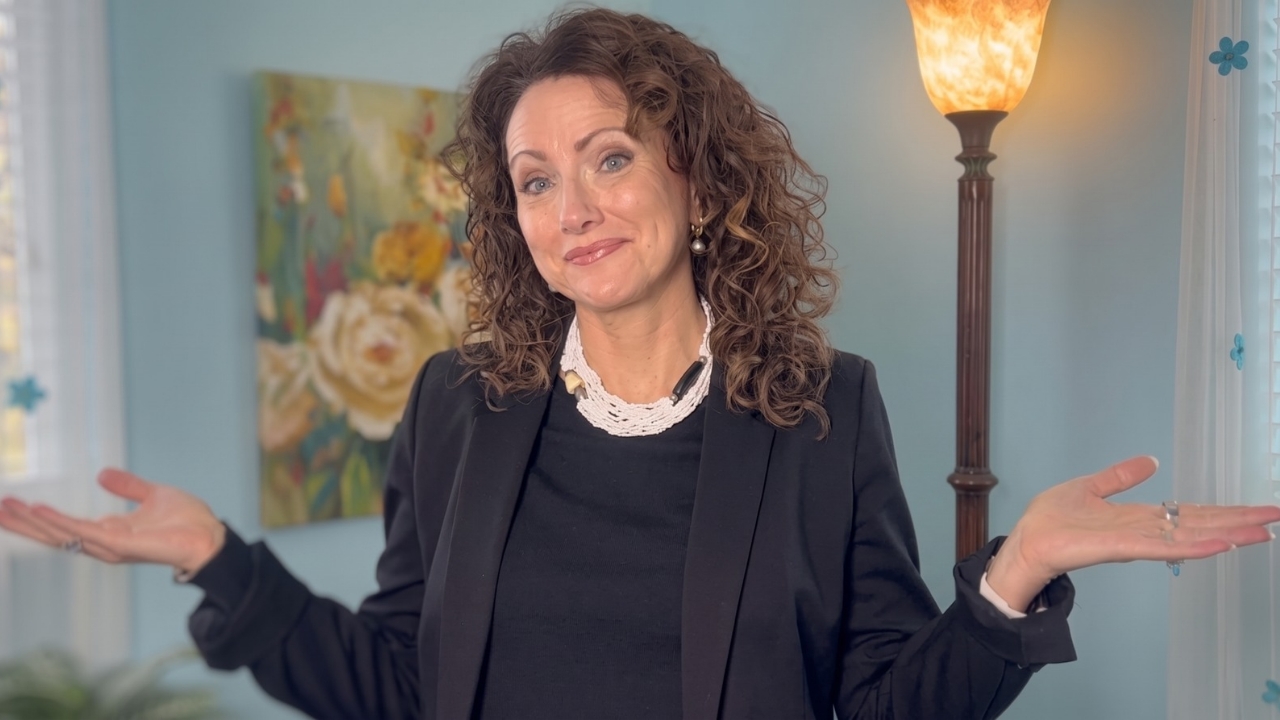
Life after 50 can bring some unexpected changes. Your sleep may not be what it used to be, your energy might feel different, and the habits that once worked for you may no longer feel quite right.
But what if making a few simple changes to your daily routine could help you feel calmer, stronger, and more confident in your own skin. That’s exactly what Carrie Stone discovered after spending two years building healthier habits into her life.
At 56, Carrie recently spent three weeks working on a film set surrounded by people half her age. The days were long, the mornings started early, and sleep was often limited, but she was surprised by how much better she felt compared to previous years.
The experience also showed her what happened when she had to put some of her usual habits aside. Her sleep suffered, her pain returned, and her mood changed, reminding her just how much those small daily choices had been helping her.
Here are the nine habits that transformed her life after 50 and how you can start making them part of your own routine.
1. Stop Eating Earlier in the Day
One of the biggest changes Carrie made was gradually moving her last meal of the day to an earlier time. She originally stopped eating after 6 p.m., then slowly moved that time back to 5 p.m., 4 p.m., and eventually 1:30 p.m. on most days.
She made these changes gradually after discussing them with a healthcare professional, rather than suddenly changing everything overnight. As she extended the time between eating and sleeping, she noticed that she felt better and had more freedom in her daily routine.
Eating earlier also meant spending less time preparing meals, cleaning up afterward, and thinking about food throughout the afternoon and evening. She found that it even helped reduce her grocery expenses because she was preparing fewer meals.
During her three weeks on the film set, however, she had to eat with everyone else, including at the evening meal. She noticed that eating later and having wine in the late afternoon affected her sleep, which made her appreciate her usual routine even more.
Carrie found that this approach worked well for her, but she didn’t suggest that everyone needed to follow the exact same schedule. She encouraged women to find an eating routine that fits their lifestyle, health needs, and daily activities.
2. Make Sunrise Walks Part of Your Morning
Carrie has become so attached to her sunrise walks that she notices a difference in how she feels when she misses them. On mornings when work required her to arrive on set early, she often couldn’t get outside for her usual walk.
She found that those days were often accompanied by lower energy, a less positive attitude, and a feeling of being less grounded. Even after returning home to gloomy, rainy weather, she eventually decided that she needed to get outside again, regardless of whether the sun was shining.
For her, the fresh air and time outdoors made a noticeable difference in how she felt physically, emotionally, and mentally. She realized that she didn’t need perfect weather to enjoy the benefits of getting outside.
You don’t need to spend an hour walking every morning to get started. Carrie suggested beginning with just 10 minutes, getting some fresh air, and making the most of the morning light when possible.
A short morning walk can also be a simple way to create a little quiet time before the responsibilities of the day begin. Instead of immediately rushing into work, chores, or checking your phone, you get a chance to slow down and move your body.
3. Aim for at Least 10,000 Steps a Day
Walking became another important part of Carrie’s daily routine, and she discovered that her step count made a noticeable difference in how she felt. Although her personal sweet spot is around 15,000 steps a day, she decided that getting at least 10,000 steps was a more realistic minimum during busy periods.
While working on the film set, she initially expected to reach that goal without much difficulty. However, after spending long days working, she realized she was only getting around 6,500 to 7,500 steps a day.
By that point, she wasn’t sleeping well and didn’t feel as good emotionally or physically. Once she noticed how little she had been moving, she made a deliberate effort to increase her daily steps.

She started pacing during breaks, walking outside during meals, and finding little opportunities to move throughout the day. Rather than waiting for a dedicated workout session, she made movement part of her everyday activities.
You can do the same by taking the stairs instead of the elevator, walking while talking on the phone, or parking a little farther away when you go shopping. Even small changes can help you spend less time sitting and more time moving.
YOU MAY LIKE



Carrie’s experience reminded her that movement was something she needed to prioritize, especially when life became busy. Her personal goal may not be suitable for everyone, but finding a comfortable amount of daily movement can be a useful starting point.
4. Make Time for Morning and Evening Breathing
Another habit Carrie credits with improving her life is making time for breathing exercises and meditation twice a day. She usually practices in the morning and evening, giving herself an opportunity to slow down and settle her thoughts.
While she was on the film set, she managed to keep up with her morning sessions most days. However, they were often interrupted by other people, conversations, and the general busyness of the environment.
She also missed many of her evening sessions, which made her realize how much she valued that quiet time. She noticed a difference in her mental well-being and felt that her usual routine helped her manage the demands of everyday life.
Part of her practice involves heart rate variability breathing, which she has been using as part of her personal efforts to improve her HRV measurements. She reported that her score increased from 17 to 43 over time, then dropped to 20 during the trip when her practice became less consistent.
Carrie also found comfort in Christian meditation and prayer. When she didn’t have enough time for a full session, she sometimes listened to scripture-based reflections and prayers while getting ready.
You don’t have to begin with long meditation sessions. Carrie started with just five minutes a day and gradually increased the time as she developed a routine that worked for her.
The important thing is to start with something manageable. A few quiet minutes spent breathing slowly, reflecting, or praying may help you create a calmer transition into the day.
5. Pay Attention to Your Carbohydrate Intake
Carrie also discovered that paying attention to her carbohydrate intake made a difference in how she felt. As someone with celiac disease, she had assumed that she was already eating a low-carb diet, but she later realized that some of her food choices contained more carbohydrates than she expected.
During her time on the film set, she was exposed to more carbohydrate-rich foods than she normally ate. She noticed that her pain increased, her sleep suffered, and she needed to take ibuprofen to get through the day.
She suspected that the change in her eating habits contributed to these symptoms. When she returned home, the experience reminded her why she had been paying attention to her food choices in the first place.
For Carrie, eating lower-carb meals meant choosing more protein and vegetables instead of relying heavily on foods such as pasta and bread. She found that this approach suited her personal needs and made her feel better.
However, everyone’s nutritional needs are different, especially after 50. Rather than assuming that a low-carb diet is necessary for every woman, it’s worth paying attention to how different foods affect your own body and discussing significant dietary changes with a qualified healthcare professional.
The main lesson Carrie took from this experience was to be more conscious of what she was eating and how her body responded. She didn’t want to return to the habits that had left her feeling uncomfortable and exhausted.
6. Keep Tempting Junk Food Out of the House
Carrie knows herself well enough to understand that having junk food in the house makes it much harder for her to resist eating it. That’s why she has a simple rule: if there is junk food around, she is probably going to eat it.
Her family has learned to live with this arrangement, and even her children know that they may need to keep certain snacks out of sight when they visit. She explained that this isn’t because she doesn’t enjoy treats, but because she finds it difficult to stop once she starts eating them.

Working on a film set put this habit to the test. Tables filled with snacks were available throughout the day, including chips, gummy bears, and other foods she normally tried to avoid.
Even though many of the snacks weren’t gluten-free, there were still plenty of options she enjoyed. She also found herself eating some things she didn’t even particularly like, which reminded her how easily tempting food can influence her choices.
Instead of relying entirely on willpower, Carrie prefers to make healthier options available at home. One of her family’s favorite treats is organic popcorn with Irish butter and brewer’s yeast.
She also enjoys an occasional glass of wine, although she doesn’t have it all the time. Her approach is to decide which treats matter most to her and find ways to enjoy them without keeping a constant supply of tempting snacks around.
The idea is simple: make your environment work with you instead of against you. If certain foods make it difficult for you to stick with your personal goals, changing what’s readily available at home may make things easier.
7. Build Savings to Reduce Financial Stress
This was the habit that surprised Carrie the most during her three weeks on the film set. She had taken over managing her family’s finances two years earlier, focusing on getting out of debt, building savings, and prioritizing their future.
She knew they had made progress, but she hadn’t fully appreciated how much those decisions had changed their lives until they were away from home. Both she and her husband had taken time away from their usual work to enjoy the film project, and they were able to focus on the experience without constantly worrying about money.
That freedom became even more obvious when they encountered a problem with their debit cards. They had forgotten to notify their bank that they would be traveling, so their cards stopped working as expected.
Instead of panicking, they were able to use other payment options. Having savings and being out of debt meant that the unexpected problem didn’t turn into a major financial crisis.
Carrie realized that financial security had affected more than just their bank balance. It had also helped reduce the stress surrounding their daily lives and allowed them to enjoy an opportunity they had worked toward for years.
She emphasized that you don’t need to save thousands of dollars immediately to begin making progress. Even starting with $10 a week can help you build the habit of saving and develop more confidence in managing your money.
The important thing is to start somewhere and remain consistent. Over time, those small contributions can become part of a larger plan to reduce debt, build savings, and create more financial flexibility.
For Carrie, the experience showed that the sacrifices she and her husband had made over the previous two years had given them something valuable: the freedom to enjoy a dream without being constantly distracted by financial worries.
8. Create a Daily Routine That Works for You
Carrie admitted that she resisted having a routine for years. She didn’t realize how much structure could help her until she spent several weeks working on a film set, where each day followed a clear schedule.
The organized environment helped her see how much she enjoyed having a predictable rhythm. When she returned home, she noticed how much she missed her usual routine and how eager she was to get back to it.
Her daily schedule includes waking up, walking, eating, working, and resting at roughly the same times. Having a general structure helps her feel more settled and gives her day a sense of direction.
She also explained that a routine doesn’t have to mean following a strict schedule every minute. For her, it’s more about creating a rhythm that supports her daily needs.
When you know what to expect from your day, you may find it easier to make time for the things that matter to you. Instead of constantly deciding what to do next, you have a basic structure to fall back on.
You can start with just a few simple habits, such as getting up around the same time, taking a morning walk, or setting aside time to relax before bed. Once those habits become familiar, you can gradually add other activities that fit your lifestyle.
Carrie’s experience showed her that routine wasn’t something that limited her freedom. It was something that helped her feel calmer, more organized, and better prepared for everyday life.
9. Track Your Food to Understand Your Eating Habits
The final habit Carrie discussed was tracking her food, although she made it clear that this approach isn’t suitable for everyone. In particular, she advised anyone with an eating disorder to disregard this habit and seek support appropriate to their needs.
For years, Carrie believed that tracking food was obsessive. She avoided doing it because she thought it would make her too focused on what she was eating.
However, she eventually discovered that tracking could simply be a way to become more aware of her eating habits. By recording her food intake, she realized that she was eating more carbohydrates and more food overall than she had understood.
She now uses the free version of MyFitnessPal to track things such as carbohydrates, protein, and calories. She doesn’t necessarily track every day forever, but she sometimes does it for a few weeks to better understand her portions and eating patterns.
During her time on the film set, she didn’t have enough time to keep up with tracking. Looking back, she felt that having that information might have helped her make more informed food choices during the trip.
EDITORS' RECOMMENDATIONS



Carrie also explained that tracking helped her notice how her food choices related to changes in her body. After adjusting her eating habits, she reported experiencing less inflammation, needing less ibuprofen, and having more stable energy throughout the day.
For anyone considering food tracking, it’s important to remember that Carrie’s experience is personal. Tracking isn’t necessary for everyone, and it shouldn’t become a source of stress or guilt.
If you choose to try it, the goal can simply be to understand your usual eating patterns and identify changes that may be helpful. You can also speak with a registered dietitian or healthcare professional if you have concerns about pain, inflammation, or difficulty managing your weight.
Conclusion
Carrie’s experience shows how much small, consistent habits can matter, especially when life gets busy. After spending two years gradually building her routine, she discovered just how much those choices had been helping her when she had to put several of them aside during her three weeks on a film set.
From getting outside for morning walks and moving more throughout the day to creating a routine and building financial savings, each habit played a role in the lifestyle she wanted to maintain. She also found that paying attention to her food choices, making time for breathing exercises, and tracking her eating habits helped her better understand what worked for her.
The biggest lesson is that you don’t have to change everything overnight. Carrie built her habits one at a time, adjusting them until they became part of her everyday life.
At 56, she says she feels calmer, sleeps better, has steadier energy, and feels more confident in her own skin than she has in decades. Her experience is a reminder that making changes after 50 is still possible, and even small steps can be a meaningful place to start.