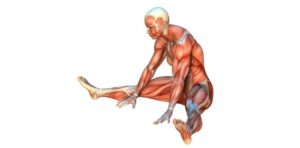
Think about how much you depend on your legs every single day. From getting out of bed and climbing stairs to walking around the house and playing with your grandchildren, your legs play a huge role in keeping you active and independent.
But as we get older, maintaining strong legs can become more difficult. Muscle loss is a natural part of aging, and it can make everyday activities feel harder than they used to. The good news is that getting older does not automatically mean you have to give up your strength or independence.
According to the video, one of the most important things you can do to support your leg muscles is pay attention to what you eat. Certain foods provide protein, vitamins, minerals, and energy that your muscles need to function properly and maintain their strength.
You do not need expensive supplements or complicated meal plans to start eating better. Here are seven everyday foods that can help support muscle health and keep your legs strong as you age.
1. Greek Yogurt
Greek yogurt is one of the easiest ways to add more protein to your diet, especially if you are finding it harder to eat large meals as you get older. One cup of plain Greek yogurt provides around 20 grams of protein, making it a convenient option for supporting muscle maintenance and repair.
What makes Greek yogurt particularly useful is that it contains different types of protein that your body digests at different speeds. Whey protein is absorbed relatively quickly, while casein digests more slowly, providing a more gradual supply of amino acids.
This combination can help support muscle protein synthesis, which is the process your body uses to repair and build muscle tissue. As we age, our muscles can become less responsive to protein, so getting enough protein throughout the day becomes especially important.
Greek yogurt also contains leucine, an essential amino acid that plays an important role in stimulating muscle protein synthesis. Getting enough leucine through your meals can help support your body’s ability to maintain muscle mass.
Another benefit is its calcium content. Calcium helps your muscles contract properly, which is important when you are standing up, walking, or climbing stairs.
Greek yogurt also provides vitamin B12, which supports normal nerve function and red blood cell production. Healthy nerves help carry signals from your brain to your muscles, allowing your legs to respond when you move.
If you have a reduced appetite or find chewing certain foods difficult, Greek yogurt can be a convenient choice. It is soft, easy to eat, and requires almost no preparation.
You can enjoy it plain, mix it with berries, add some nuts, or blend it into a smoothie. Just choose plain Greek yogurt when possible, since flavored varieties can contain considerable amounts of added sugar.
For most people, one cup is a convenient serving to include in a balanced daily diet. You can have it for breakfast, as a snack, or alongside another meal.
2. Salmon

Salmon offers a combination of nutrients that can help support muscle health as you get older. It provides high-quality protein, omega-3 fatty acids, and vitamin D, all of which play different roles in maintaining healthy muscles.
A four-ounce serving of salmon provides roughly 25 to 30 grams of protein. This gives your body the amino acids it needs to maintain and repair muscle tissue, including the muscles in your legs.
However, salmon offers more than just protein. It is also a source of omega-3 fatty acids, particularly EPA and DHA, which have been studied for their potential role in supporting muscle health.
As we age, our muscles may become less responsive to the signals that stimulate muscle protein synthesis. Some research suggests that omega-3 fatty acids may help support this process, although they are not a guaranteed way to reverse age-related muscle loss.
Salmon also provides vitamin D, which contributes to normal muscle function and helps your body absorb calcium. Low vitamin D levels can be associated with muscle weakness, making adequate intake important for older adults.
Another advantage is its vitamin B12 content. This vitamin supports the nervous system and helps your body produce healthy red blood cells, which carry oxygen throughout the body.
Salmon also contains nutrients such as selenium and potassium. These contribute to normal body functions, including thyroid function and muscle activity.
You can prepare salmon in several ways, including baking, grilling, or pan-searing it. A little lemon juice, garlic, and your favorite herbs can add plenty of flavor without making the recipe complicated.

If fresh salmon is too expensive, canned salmon can be a practical alternative. It can be added to salads, sandwiches, pasta dishes, or homemade salmon patties.
Including salmon in your meals once or twice a week can help you add more protein and omega-3 fatty acids to your diet. You can also rotate it with other protein sources to keep your meals varied.
3. Lentils

Lentils may not look particularly exciting, but they are an affordable way to add several useful nutrients to your diet. They provide plant-based protein, fiber, iron, magnesium, and potassium, making them a valuable addition to meals for older adults.
YOU MAY LIKE



One cup of cooked lentils contains approximately 18 grams of protein. Although lentils do not have the same amino acid balance as some animal protein sources, they can still contribute meaningfully to your daily protein intake.
You can combine lentils with grains, vegetables, and other protein sources to create balanced meals. Eating a variety of protein-rich foods throughout the day helps you get the amino acids your muscles need.
Lentils are also a good source of iron, which your body uses to produce hemoglobin. Hemoglobin carries oxygen in your blood, helping deliver it to tissues throughout your body, including your working muscles.
When iron levels are too low, some people experience fatigue, weakness, and reduced exercise tolerance. However, tired legs can have many causes, so it is important not to assume that iron deficiency is the problem without proper evaluation.
Another useful nutrient in lentils is magnesium. This mineral plays a role in normal muscle and nerve function, as well as many other processes involved in keeping your body working properly.
Lentils also provide potassium, which helps support normal muscle contractions and nerve signaling. Getting enough potassium through food is part of maintaining a balanced diet.
The fiber in lentils is another reason to include them in your meals. Fiber supports digestive health and can help you manage blood sugar levels when lentils are eaten as part of a balanced meal.
One of the best things about lentils is how easy they are to prepare. Unlike many dried beans, they generally do not need overnight soaking, and they can be cooked in around 20 to 30 minutes, depending on the variety.
You can make lentil soup, add them to salads, prepare a lentil curry, or use them in grain bowls. They also work well in homemade patties or as a filling for wraps.
Try including lentils in your meals a few times a week. They are an affordable way to add plant protein and important minerals without relying entirely on meat or dairy products.
4. Eggs

Eggs are a simple, versatile food that can help you get more protein without spending a lot of time in the kitchen. One large egg provides around six grams of high-quality protein, containing all nine essential amino acids your body needs.
Your leg muscles need protein to maintain and repair their tissues, especially as you get older. Including eggs in your meals can help you meet your daily protein needs.
But there is more to eggs than the protein in the white. The yolk contains several nutrients, including choline, which helps your body produce acetylcholine, a chemical involved in communication between nerves and muscles.
This communication is important because your leg muscles rely on signals from your nervous system to coordinate movement. Choline also plays other important roles in normal brain and nerve function.
Egg yolks contain small amounts of vitamin D, which helps support muscle function and calcium absorption. Eggs also provide vitamin B12 and other B vitamins that contribute to normal energy metabolism and nervous system function.
Another interesting feature of eggs is that the yolks contain lutein and zeaxanthin. These compounds support eye health, and good vision can help you notice obstacles and navigate your surroundings more safely.
Eggs are also easy to prepare in different ways. You can boil, scramble, poach, or make an omelet with vegetables, depending on what you enjoy.

Hard-boiled eggs are especially convenient if you want something ready to eat between meals. You can prepare several ahead of time and keep them refrigerated for easy snacks.
You may have heard concerns about the cholesterol in egg yolks. The effects of dietary cholesterol vary between individuals, so people with specific cholesterol concerns or medical advice to limit eggs should follow guidance from their healthcare professional.
For many people, eggs can be part of a balanced diet. Eating the whole egg provides both protein and nutrients found in the yolk, making it a useful option for supporting overall nutrition.
5. Sweet Potatoes
Protein is important for maintaining muscle, but your body also needs enough energy to support everyday movement. Sweet potatoes provide carbohydrates that help fuel activities such as walking, standing, and climbing stairs.
One medium sweet potato contains roughly 23 to 27 grams of carbohydrates, depending on its size. Your muscles store some of the carbohydrates you eat as glycogen, which can be used as fuel when you are physically active.
If you regularly eat too little food, you may struggle to get enough energy to support your daily activities and maintain muscle. Eating balanced meals that contain both protein and carbohydrates can help provide the energy and nutrients your body needs.
Sweet potatoes also provide potassium, which contributes to normal muscle function and nerve signaling. One medium sweet potato can supply a useful amount of this mineral as part of your daily diet.
Their orange color comes largely from beta-carotene, which your body can convert into vitamin A. Vitamin A supports normal vision, immune function, and other important processes in the body.
Sweet potatoes also contain vitamin B6, which plays a role in protein metabolism and normal nervous system function. They provide fiber as well, which supports digestive health.
Another advantage is that sweet potatoes are easy to prepare and can be included in many different meals. You can bake them whole, roast them into wedges, mash them, or add them to soups and stews.
For a simple meal, try pairing a baked sweet potato with chicken, fish, eggs, or lentils. This gives you a combination of carbohydrates and protein rather than relying on one food to meet all your nutritional needs.
You can also eat the skin if it has been washed properly and you enjoy the texture. The skin contributes additional fiber to your meal.
Including sweet potatoes a few times a week can be a practical way to add energy, potassium, and other nutrients to your diet. They are particularly useful when you want a filling side dish that goes well with different protein sources.
6. Almonds
Almonds are small, but they provide a useful combination of protein, healthy fats, magnesium, and other nutrients. They can be a convenient snack for older adults who want to add more nutrition between meals.
A one-ounce serving, which is roughly 23 almonds, contains around six grams of protein. While almonds are not as protein-dense as chicken or Greek yogurt, they can still contribute to your overall protein intake.
One of their most notable nutrients is magnesium. Magnesium helps support normal muscle and nerve function, and it is involved in the processes that allow muscles to contract and relax.
Getting enough magnesium is important for your general health, but eating almonds does not guarantee that you will prevent muscle cramps or reverse muscle weakness. Muscle symptoms can have several causes, and persistent problems deserve medical attention.
Almonds also contain vitamin E, an antioxidant that helps protect cells from oxidative damage. They provide some calcium and phosphorus as well, which contribute to maintaining healthy bones.
Strong bones matter because your legs support your body weight and help you move around. Maintaining bone health alongside muscle health can help support mobility as you age.
Another benefit of almonds is their healthy fat content. These fats provide energy and help your body absorb fat-soluble vitamins when they are part of a balanced diet.

If your appetite is smaller than it used to be, almonds can be a convenient way to add some extra energy to your meals. However, they are calorie-dense, so portion sizes are worth considering if you are managing your weight.
You can eat almonds on their own, add them to oatmeal, sprinkle them over yogurt, or mix them into salads. Almond butter is another option if you prefer something softer.
A small handful is a reasonable serving for many people. If chewing whole nuts is difficult, try finely chopped almonds or smooth almond butter instead.
7. Chicken Breast

Chicken breast is a popular protein source for a reason. It provides a substantial amount of high-quality protein, making it useful for people who want to maintain muscle as they get older.
A four-ounce serving of cooked, skinless chicken breast can provide around 35 grams of protein, although the exact amount depends on the size and preparation. This protein contains all the essential amino acids your body needs for muscle maintenance and repair.
Getting enough protein throughout the day is particularly important for older adults. Including a protein-rich food like chicken breast in your meals can help you meet your daily needs without having to depend on supplements.
Chicken breast also provides several B vitamins, including niacin and vitamin B6. These vitamins help your body process nutrients and support normal energy metabolism.
It also contains phosphorus, which contributes to maintaining healthy bones, and selenium, which supports normal thyroid and immune function. These nutrients are part of the broader nutritional support your body needs as you age.
One advantage of chicken breast is that it is relatively lean. This makes it a convenient option if you want to increase your protein intake while keeping the overall fat content of a meal moderate.
You can prepare chicken breast in many different ways, which helps prevent your meals from becoming repetitive. Try grilling it one day, adding it to soup another day, or using it in a vegetable stir-fry.
EDITORS' RECOMMENDATIONS



The main thing to watch out for is overcooking. Chicken breast can become dry and tough if it is cooked for too long, so using a food thermometer can help you cook it safely while keeping it moist.
For meal preparation, you can cook several portions at once and refrigerate them for use in different meals. Make sure cooked chicken is stored safely and reheated properly.
Pair chicken breast with vegetables, whole grains, sweet potatoes, or lentils to create balanced meals. This way, you get protein along with carbohydrates, fiber, vitamins, and minerals.
Conclusion
Maintaining strong legs as you get older involves more than simply eating one special food. Your muscles need adequate protein, enough energy, and a variety of nutrients to support their normal function and help you stay active.
Greek yogurt provides convenient protein, salmon offers protein and omega-3 fatty acids, and lentils contribute plant protein, iron, and magnesium. Eggs, sweet potatoes, almonds, and chicken breast each bring their own combination of nutrients that can help support a balanced diet.
The good news is that these foods are familiar, widely available, and can fit into many different meals. You do not need to eat all seven every day, but including a variety of them throughout the week can help you build healthier eating habits.
Food is an important part of maintaining muscle, but it is not the only part. Regular physical activity, particularly appropriate strength exercises, can also help older adults maintain muscle strength and mobility.
If you are experiencing significant muscle loss, unusual weakness, or difficulty walking, speak with a healthcare professional to understand what may be causing it and what steps are suitable for you. With balanced nutrition, appropriate activity, and attention to your overall health, you can work toward maintaining your strength and independence as you age.