
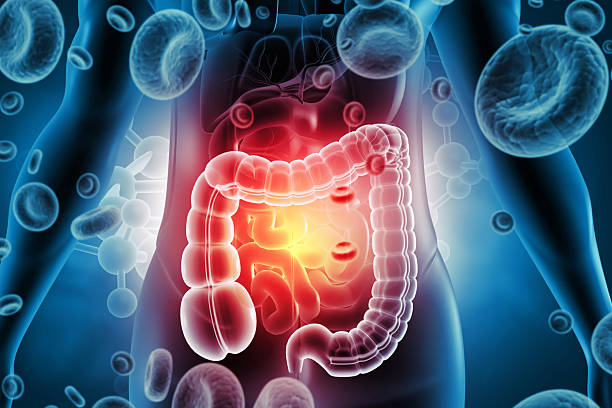
What if the way you feel every single day, your energy, your mood, your skin, even your immunity, is quietly controlled by something you rarely think about?
Your gut.
Most people only associate the gut with digestion. But science tells a much bigger story. Your gut is deeply connected to your brain, your hormones, and your immune system. In fact, many experts call it your “second brain.”
If your health were a universe, your gut would be the Big Bang. Everything starts there.
And yet, even when we know what’s good for us, we struggle to stay consistent. We start strong, full of motivation, only to fall back into old habits within days.
So the real question is not what to do.
It’s: how do you make healthy habits stick without stress, guilt, or burnout?
That’s exactly what this 21-day gut reset method is designed to solve.
The 6 Daily Habits for a Healthy Gut
Before we talk about the system, let’s quickly go over the six core habits that support a healthy gut.
These are simple, practical, and backed by science:
1. Eat Slowly
Take your time with meals. Chewing properly improves digestion and helps your gut absorb nutrients better.
2. Include One Vegetable Per Meal
Vegetables feed your gut bacteria and support a balanced microbiome.
3. Avoid Ultra-Processed Foods
Highly processed foods disrupt gut balance and often lead to inflammation.
4. Sleep for at Least 7 Hours
Your gut and brain are closely connected. Poor sleep negatively affects digestion and gut health.
5. Avoid Late-Night Eating
Try not to eat after 9 PM. If possible, aim for even earlier like 7 PM.
6. Move Your Body Daily
At least 30 minutes of physical activity helps digestion and overall gut function.
Simple enough, right? But here’s the problem…
Why Most People Fail (Even When They Know What to Do)
Let’s be honest.
You’ve probably told yourself:
“I’ll stop eating junk food.”
“I’ll sleep early tonight.”
“I’ll start eating healthier from tomorrow.”
And then…
You find yourself eating pizza without thinking.
Scrolling endlessly when you should be asleep.
Reaching for snacks out of habit, not hunger.
This isn’t a lack of discipline. It’s your brain running on autopilot.
Your brain prefers familiar patterns. And when you try to force strict changes, it pushes back.
That’s why extreme diets and strict routines rarely last.
Your brain is not a machine you can suddenly switch from autopilot to manual mode.

Instead, you need to install something far more powerful:
A habit system.
The 21-Day Method That Works With Your Brain
Here’s where things change.
YOU MAY LIKE



Instead of trying to be perfect, this method is built on flexibility.
The Rule Is Simple:
For the next 21 days:
- Aim to follow all 6 habits
- But only expect yourself to complete 4 or 5 each day
Yes, you read that right. You are allowed to miss 1 or 2 habits.
Why This Approach Works
It might sound counterintuitive, but this is exactly why it works.
1. It Removes Pressure
When habits feel like an obligation, your brain resists.
When they feel flexible, your brain accepts them.
2. It Builds Consistency Over Perfection
You’re not trying to be perfect.
You’re training yourself to show up daily.
3. It Makes Habits Feel Natural
Instead of forcing change, you allow habits to grow gradually.
Think of it this way:
You’re not just building healthy habits. You’re building the habit of having habits.
The “No Guilt” Rule
This part is critical.
- No punishment for missing a habit
- No “making up” for it the next day
- No guilt
If one day you only complete 4 habits, that’s still a win. If another day you complete all 6, even better.
But both days count.
Consistency beats perfection every time.
Use Rewards to Rewire Your Brain
Here’s something most people overlook:
Your brain loves rewards.
So instead of relying on willpower, use rewards to your advantage.
Examples of Simple Rewards:
- Watch an extra episode of your favorite show
- Treat yourself to a relaxing evening
- Go out for a movie
- Enjoy a hobby you love
When your brain starts associating healthy habits with positive rewards, something powerful happens:
You begin to want to do them.
What Happens After 21 Days?
At the end of the 21-day challenge, don’t rush to add more habits.
Pause.
Observe.

Ask yourself:
- Which habits felt easy?
- Which ones became part of your routine?
- Which ones didn’t stick?
Here’s the key:
- Keep the habits that stuck
- Let go of the ones that didn’t
- Repeat the process if needed
Habits are like friendships.
Some stay. Some don’t.
Focus on the ones that naturally fit into your life.
The Real Problem: Unhealthy Habits on Autopilot
Now let’s talk about the biggest challenge.
Unhealthy habits don’t happen consciously.
They happen automatically.
You’re watching a match or scrolling your phone…
And suddenly:
- You’re eating chips
- You’re opening junk food
- You’re staying up late
You didn’t plan it.
It just happened.
Most people try to stop this using willpower or self-criticism.
That approach rarely works.
The Smart Way to Break Bad Habits
Instead of trying to stop unhealthy habits directly, use this simple strategy:
The Replacement Rule
Whenever you slip into an unhealthy habit…
Immediately follow it with a small healthy action.
Examples You Can Try
- Ate a bag of chips? → Eat a handful of nuts afterward
- Overate junk food? → Go for a short walk
- Craving something unhealthy? → Take a spoon of yogurt
- Stayed up too late? → Commit to better sleep the next night
Why This Works
This method rewires your brain in a subtle but powerful way.
Instead of:
Unhealthy habit → guilt → repeat
You create:
Unhealthy habit → healthy action → new pattern
Over time:
- The old habit loses its strength
- The craving reduces
- Your brain starts expecting a different routine
It’s like confusing your brain in a good way.
Keep It Simple
There’s one rule you must follow here:
Keep the replacement habit small and easy.

Do not replace chips with an intense workout.
That’s too much.
Instead:
- Keep it quick
- Keep it simple
- Keep it doable
Small actions are what create lasting change.
A Quick Recap
Let’s bring everything together:
Daily System:
- Follow 6 gut-healthy habits
- Aim to complete only 4 or 5
- Stay consistent for 21 days
Mindset:
- No guilt
- No perfection
- No pressure
Reinforcement:
- Reward yourself for consistency
Habit Reset:
- After 21 days, keep what works
- Repeat if needed
Breaking Bad Habits:
- Don’t fight them directly
- Add a small healthy action right after
Why This Method Feels Different
Most health advice focuses on discipline and strict routines.
This method focuses on:
- Psychology
- Flexibility
- Sustainability
You’re not forcing change.
You’re allowing it.
And that’s why it works.
Conclusion
At the end of the day, improving your gut health doesn’t require extreme diets or perfect routines.
It requires:
- Small daily actions
- Consistency over time
- A system that works with your brain
You have two choices:
You can continue dealing with bloating, low energy, and constant cravings…
Or you can start a simple 21-day reset that gradually transforms how you feel.
Because when your gut improves, everything improves.
Your energy.
Your mood.
Your sleep.
Your overall health.
Start small.
Stay consistent.
And let your habits do the heavy lifting.
Your gut will thank you.