Getting older brings many changes, but some are not always easy to notice. You might shower regularly, wear clean clothes, and use your favorite body wash, yet still carry an unpleasant smell without realizing it. The surprising part is that the problem may have very little to do with how often you apply deodorant.
As people age, their skin changes, their sense of smell may become weaker, and everyday hygiene routines can become more challenging. Stiff joints, poor balance, and certain medications can also make it harder to clean areas that were once easy to reach. Over time, these small challenges can lead to body odor that other people notice before you do.
The good news is that most of these problems have simple solutions. Understanding where odor comes from and making a few adjustments to your daily routine can help you feel fresher, more comfortable, and more confident around the people you love.
1. Ignoring the Hidden Areas Where Body Odor Builds Up
Most people pay close attention to their faces and underarms when bathing, but several other areas often get overlooked. The back of the neck, behind the ears, the chest, and the upper back are common places where skin oils and other substances can accumulate.
This becomes more noticeable with age because the skin gradually changes. Researchers have identified a substance called 2-nonenal, which forms when certain skin oils break down through oxidation. Studies have found that this compound becomes more common as people get older, although scientists are still investigating exactly how much it contributes to age-related body odor.
The important thing to understand is that body odor does not come only from sweat. Skin oils can also contribute to unpleasant smells, which explains why applying more deodorant may not solve the problem.
A simple way to improve your hygiene routine is to make a conscious effort to wash these overlooked areas every time you bathe. You do not need expensive soaps or special products, as a gentle body wash is usually enough when used properly.
If reaching your upper back has become difficult, consider using a long-handled sponge or a bath strap. Wash from the top down while you still have enough energy, and spend about 30 seconds cleaning these areas carefully.
2. Showering Less Often Because You Are Afraid of Falling
For many older adults, the bathroom becomes one of the most challenging places in the house. Slippery floors, wet surfaces, and difficulty maintaining balance can make showering feel frightening, especially for someone who has experienced a fall before.
Unfortunately, some people respond to this fear by reducing how often they bathe. They may shower only once or twice a week, not because they do not care about cleanliness, but because they are worried about getting hurt.
Instead of avoiding showers altogether, the better solution is to make the bathroom safer. A sturdy shower bench allows you to sit while washing, while a handheld shower head gives you better control over the water without requiring unnecessary movement.
Installing grab bars securely into the wall studs can also provide extra support. Avoid relying on suction cup bars because they may not offer dependable protection when someone loses their balance.
You should also consider sitting down while drying your body, applying lotion, and trimming your nails. These activities often involve bending, stretching, or standing on one leg, which can increase the risk of falling.
On days when a full shower feels too difficult, a warm washdown with a soft cloth can help you stay clean. Pay particular attention to your neck, behind your ears, chest, underarms, and skin folds, then dry yourself properly.
Keeping the water lukewarm is another helpful adjustment because hot water can strip natural oils from aging skin and make dryness worse. If your balance has recently changed, discuss it with your doctor rather than simply accepting the problem as a normal part of getting older.
3. Leaving Skin Folds and Feet Damp After Bathing
Washing your body is important, but drying it properly is just as essential. Areas such as the skin beneath the breasts, belly folds, groin, and spaces between the toes can remain damp long after a shower.
These warm, moist areas create conditions where bacteria and yeast can grow. When moisture stays trapped for too long, it can contribute to unpleasant smells, irritation, and certain skin problems.
This mistake is particularly common among older adults who struggle with stiff hips, back pain, or limited flexibility. Bending down to dry every part of the body can become difficult, even when someone genuinely wants to maintain good hygiene.
After bathing, use a clean towel to gently pat these areas dry instead of rubbing the skin aggressively. You can also use a hair dryer on its cool setting for a few seconds if reaching certain areas with a towel is difficult.

Your feet deserve special attention because they spend much of the day inside shoes and socks. Make sure you wash them properly, dry between every toe, and put on fresh socks each day.
A long-handled foot brush can make cleaning easier without requiring you to bend too far. It is also helpful to rotate your shoes so each pair has enough time to dry before you wear them again.
YOU MAY LIKE



If you have diabetes or notice thick, yellow, painful, or unusually difficult-to-trim toenails, visit a podiatrist. These problems deserve professional attention rather than home treatment.
4. Wearing the Same Clothes and Underwear for Several Days
You might think that clothes are still clean simply because they do not look dirty. However, fabrics can hold skin oils, sweat, and odor even when there are no visible stains.
This is one reason someone can smell unpleasant despite taking regular showers. The body may be clean, but the clothes touching the skin are carrying odors from previous days.
Age-related changes in the sense of smell can make this problem harder to recognize. You may genuinely believe your clothes smell fresh because your nose has gradually become less sensitive to familiar odors.
A simple daily routine can help prevent this. Make it a habit to change your underwear and socks every day, along with any undershirts or other clothing that sits directly against your skin.
If remembering to change clothes becomes difficult, place a reminder on your bathroom mirror or set an alert on your phone. Keeping clean clothes in an easily accessible location can also make the process less tiring.
Laundry can become physically demanding when someone has arthritis, shoulder pain, or limited energy. A lightweight laundry basket with wheels can make moving clothes easier, and asking a family member for help is perfectly reasonable.
Do not forget items such as coat collars, scarves, and other clothing that regularly touches your neck. These fabrics can collect skin oils and develop unpleasant smells over time.
5. Washing Pillowcases, Towels, and Bedding Too Infrequently
Your hygiene routine does not end when you finish bathing. The things that touch your body throughout the day and night can also contribute to unpleasant odors.
Think about your pillowcase. Your neck, ears, and hair press against it for several hours every night, transferring natural oils and other substances onto the fabric.
If you continue sleeping on the same pillowcase for many days, those oils can accumulate. The same problem applies to towels that remain damp after use, especially when they are folded or left in a poorly ventilated bathroom.
A simple solution is to keep an extra set of bedsheets and pillowcases available. Change your pillowcase every two or three days and wash your bedsheets weekly.
After using a towel, hang it fully open so air can circulate around the fabric. This helps it dry faster and reduces the chance of developing that unpleasant damp smell.
Relying on sunshine alone is not enough to keep a towel fresh if it remains wet for too long. What matters most is allowing the fabric to dry properly between uses.
These small changes can make a noticeable difference in how fresh your sleeping area feels. They also prevent clean skin from coming into contact with fabrics that have already collected unwanted odors.
6. Neglecting Your Mouth, Breath, and Dentures
Body odor is not always related to the skin. Your mouth can also become a source of unpleasant smells, especially as you get older and experience changes in saliva production or dental health.

Saliva helps wash away bacteria and food particles inside the mouth. However, certain medications commonly used by older adults can cause dry mouth, reducing the natural cleaning action of saliva and allowing odor-causing bacteria to build up.
Dentures can also contribute to bad breath when they are not cleaned properly. A thin layer of bacteria and food debris can collect on their surfaces, sometimes causing irritation, soreness, and unpleasant smells.
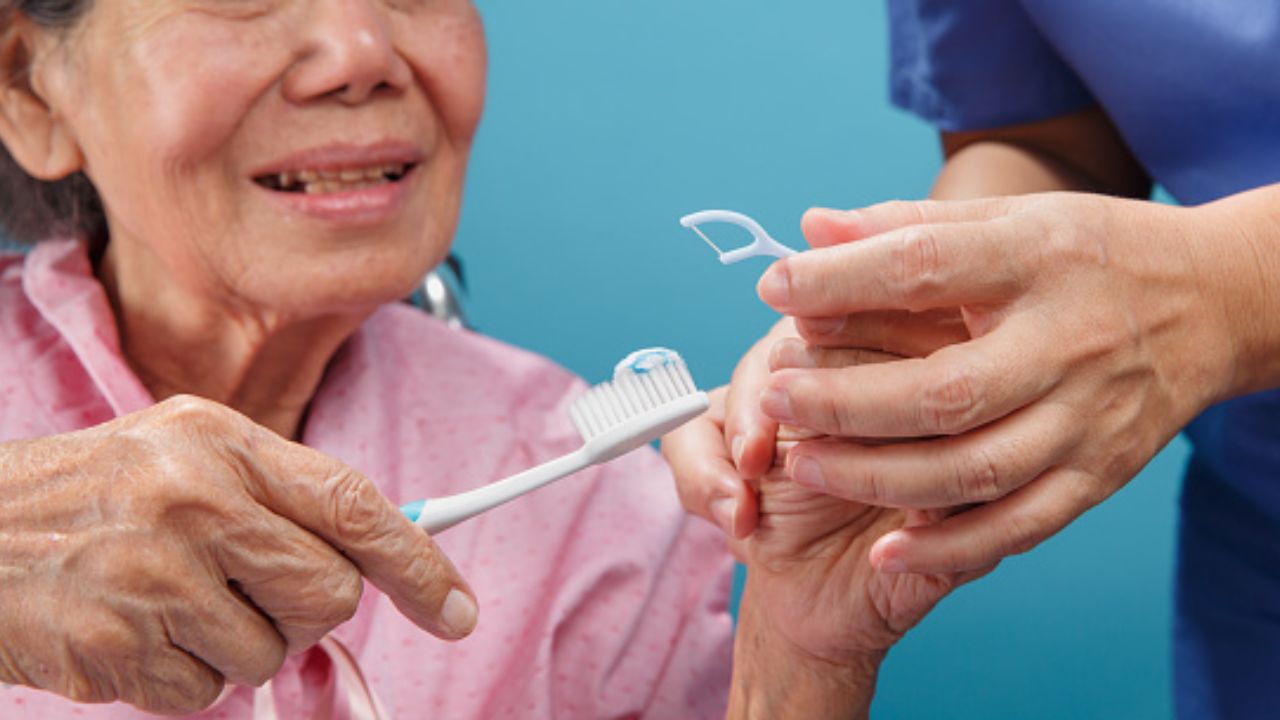
If holding a regular toothbrush has become difficult because of arthritis, consider using an electric toothbrush or one with a thicker handle. These options can make brushing easier without requiring as much grip strength.
Dentures should be removed every night, brushed carefully, and soaked using an appropriate denture-cleaning solution. You should also gently clean your tongue because bacteria can collect on its surface and contribute to bad breath.
Be careful with strong alcohol-based mouthwashes because they can make dry mouth worse. If you notice a sudden change in your breath, bleeding gums, or persistent mouth discomfort, arrange a visit with your dentist.
7. Washing Your Hair Without Properly Cleaning Your Scalp
Many people believe that rinsing their hair with water is enough to keep it clean. However, the scalp is skin, and it contains oil glands that produce natural oils throughout the day.
These oils can accumulate around the roots of the hair and contribute to an unpleasant smell. They can also travel down toward the back of the neck, which is another reason this area deserves attention during bathing.
For older adults, washing the scalp properly can become difficult because it requires lifting both arms and keeping them raised for several minutes. Shoulder pain, arthritis, and limited mobility can make this simple activity surprisingly exhausting.
One helpful solution is to wash your hair while sitting on a sturdy shower bench. A handheld shower head can make rinsing easier, while a gentle shampoo helps remove excess oil without unnecessarily irritating the scalp.
Use your fingertips to massage the shampoo into your scalp for about a minute. Avoid scratching with your fingernails, and pay attention to the area around the back of your head and neck.
Dry shampoo can make hair feel fresher temporarily, but it does not replace proper washing. If you notice persistent itching, heavy flaking, or sores that refuse to heal, speak with your doctor.
8. Ignoring Incontinence and Proper Bathroom Hygiene
Incontinence is more common among older adults than many people realize. Small urine leaks can happen for different reasons, but that does not mean someone has to live with discomfort or unpleasant smells.
When urine remains against the skin for too long, it can cause irritation and contribute to a strong odor. Damp underwear and protective pads can also become uncomfortable if they are not changed regularly.
Unfortunately, some people avoid discussing this problem because they feel embarrassed. Others struggle with proper cleaning because arthritis, back pain, or limited shoulder movement makes reaching difficult.
The first step is to change protective pads and underwear as soon as they become damp. Keeping the skin clean and dry can help reduce irritation and prevent odors from building up.
A bidet attachment can make bathroom hygiene easier by using a gentle stream of water instead of requiring extensive reaching. A long-handled wiping aid may also help someone who struggles with flexibility.
After cleaning, gently pat the area dry and consider using a light barrier cream to protect the skin. Most importantly, do not reduce your water intake simply because you are worried about urine leaks.
Drinking too little water can lead to dehydration and more concentrated urine, which may produce a stronger smell. Incontinence is often manageable or treatable, so speak with your doctor instead of suffering quietly.

9. Covering Up Body Odor Instead of Finding the Cause
When people notice an unpleasant smell, their first reaction is often to reach for perfume, scented lotion, or stronger deodorant. Unfortunately, these products do not always solve the problem.
When strong fragrance mixes with existing body odor, the result can be even less pleasant. Instead of hiding the smell, focus on proper washing, clean clothes, and good drying habits before adding a light fragrance.
There is another important issue that many people overlook. Sometimes, a new or unusual smell can be connected to an underlying health problem rather than ordinary hygiene.
Certain medications can change how the body smells, while dehydration and infections can also affect body odor. Changes in blood sugar or kidney function may sometimes be associated with unusual smells as well.
For example, fruity-smelling breath can sometimes occur when blood sugar is dangerously high, while an ammonia-like smell may be associated with certain kidney problems. Strong-smelling urine accompanied by burning or sudden confusion can also be a warning sign of an infection.
These examples are not enough to diagnose a medical condition, but they are good reasons to pay attention to changes in your body. If a smell appears suddenly, becomes unusually strong, or continues despite good hygiene, arrange a medical appointment.
It is also important to remember that people become accustomed to familiar smells. Your bedroom, sofa, and car may gradually develop odors that you no longer notice, even when visitors can smell them immediately.
Opening your windows for about 10 minutes each day can help freshen indoor spaces. Regularly washing fabrics and keeping rooms properly ventilated can also make your surroundings more comfortable.
Why Your Loved Ones May Never Mention Your Body Odor
One of the most uncomfortable parts of dealing with body odor is that the people closest to you may notice it before you do. However, they may choose to remain silent because they do not want to embarrass or hurt your feelings.
EDITORS' RECOMMENDATIONS



A shorter hug, someone sitting slightly farther away, or a family member avoiding certain conversations may leave you wondering whether something has changed. It is easy to misunderstand these small reactions when nobody explains what is happening.
But aging-related body odor does not mean someone is dirty or careless. Changes in skin chemistry, reduced sensitivity to smells, medications, stiff joints, and difficulty maintaining old routines can all contribute to the problem.
Research conducted by the Monell Chemical Senses Center in 2012 also offers some reassurance. In the study, older adults’ body odor was rated as less intense and less unpleasant than that of younger groups, challenging the assumption that older people automatically smell worse.
If you are helping an older family member, approach the subject with kindness and respect. Choose a private moment and explain that you have noticed something you would like to help them manage rather than making them feel ashamed.
Conclusion
Staying fresh after 65 does not require expensive soaps, stronger perfumes, or complicated hygiene routines. It often comes down to washing overlooked areas, keeping skin folds dry, wearing clean clothes, maintaining oral hygiene, and making everyday bathing safer.
Remember that the challenges behind these nine mistakes are often physical rather than personal. Stiff joints, poor balance, changes in smell, medications, and limited mobility can make familiar routines harder than they used to be, but the right tools and small adjustments can make a real difference.
Tonight, start with a few simple steps. Wash your neck, behind your ears, chest, and upper back, dry your skin folds and feet properly, put on fresh underwear and socks, clean your mouth and dentures, change your pillowcase, and open a window for fresh air. Taking care of yourself is a quiet way of showing kindness to yourself and the people who love you.