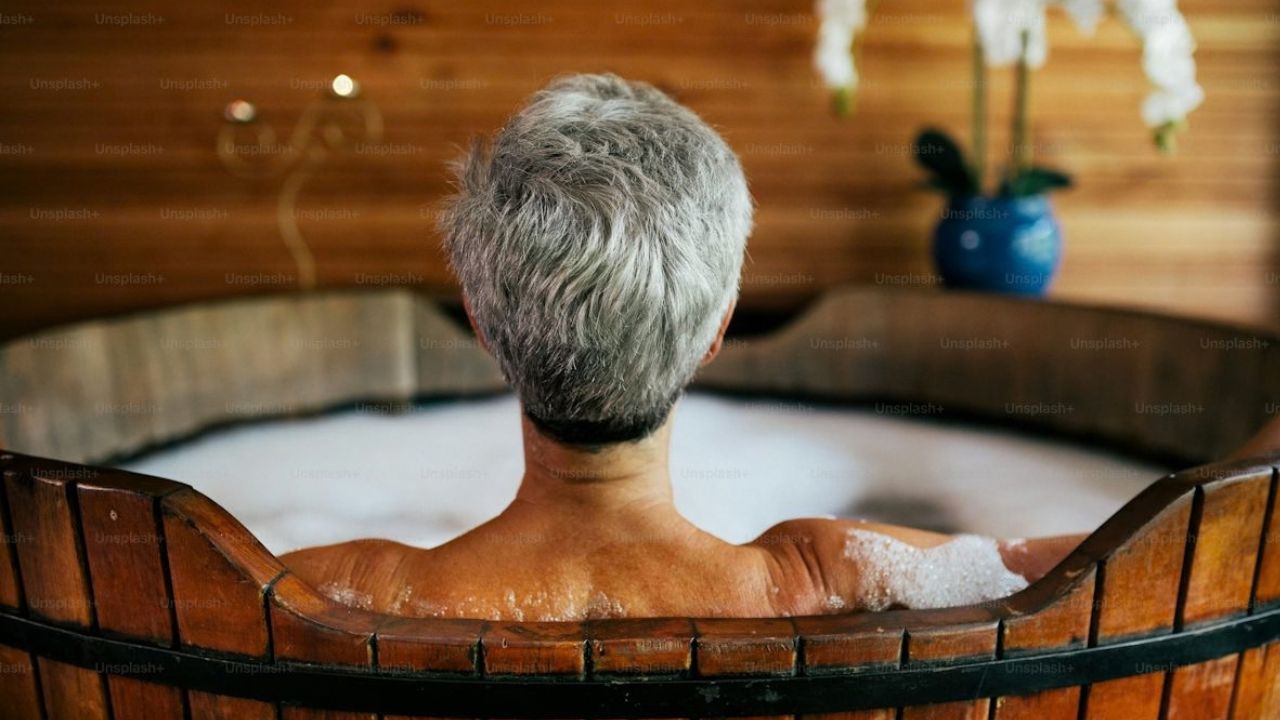
For most of us, bathing every day has always felt like a normal part of staying clean and healthy. But after 70, your body changes in ways that can make the same bathing routine much harder on your skin, energy levels, and overall safety.
As we age, our skin becomes thinner and drier, our balance may not be what it once was, and even a simple shower can take more energy than we realize. That raises an interesting question: does bathing every day still make sense for every senior?
The answer may surprise you. Here are seven important facts about bathing after 70 that could change the way you think about personal hygiene.
1. Daily Baths Can Be Hard On Aging Skin
After 70, the skin goes through significant changes. It becomes thinner, produces less natural oil, and loses some of the strength and elasticity it had when we were younger.
That natural oil is important because it helps protect the skin and keep moisture locked in. When seniors bathe frequently, especially with hot water and strong soaps, they can wash away some of that protective layer.
The result can be dry, tight, itchy, or irritated skin. In some cases, severe dryness can cause rough patches, cracks, and small openings that may become painful or vulnerable to infection.
Hot water can make the problem worse because it removes oils from the skin more aggressively. Strong soaps can also interfere with the skin’s natural balance, leaving already fragile skin even more vulnerable.
This is particularly important for older adults who already deal with sensitive skin or other skin problems. What feels like a refreshing daily shower may actually be adding unnecessary stress to the skin.
2. Bathing Less May Help Protect The Skin
One surprising idea from the transcript is that bathing less frequently may actually help reduce certain skin problems in older adults. The reason is fairly simple: fewer full-body washes mean fewer opportunities to strip away the natural oils that protect aging skin.
Older skin can be much slower to recover from small injuries than younger skin. A tiny tear that would barely bother a younger person can become a bigger problem for someone with fragile skin.
Frequent washing, particularly with hot water and harsh products, can contribute to dryness and irritation. Scrubbing can add even more stress, especially when the skin is already thin.
This doesn’t mean seniors should stop cleaning themselves. Areas such as the face, hands, underarms, and groin can still be cleaned regularly with a gentle washcloth or other suitable method.
The goal is to focus on effective hygiene without automatically assuming that the entire body needs a long shower every single day.

3. Falls Can Be A Bigger Concern Than Dirt
For seniors, one of the biggest concerns surrounding bathing isn’t actually cleanliness. It’s safety.
YOU MAY LIKE



Bathrooms can be surprisingly dangerous places for older adults. Wet floors, slippery tiles, soap, bathtub edges, and standing for long periods can all create opportunities for a serious fall.
As people age, balance and muscle strength can decline. Conditions such as arthritis, neuropathy, or osteoporosis can also make it harder to move safely around a bathroom.
Getting into and out of a bathtub can be particularly challenging. Even stepping into a shower, standing on a wet surface, or reaching for something can become risky when balance is reduced.
A fall can have much more serious consequences than a little sweat or body odor. A broken hip or serious head injury can affect independence and may lead to a long recovery.
Reducing unnecessary trips into a slippery bathroom can therefore be one part of a broader approach to staying safe. Grab bars, nonslip mats, shower chairs, and handheld showerheads can also make bathing safer.
4. Your Body Already Has Its Own Cleaning System
Your skin isn’t simply a surface that needs to be scrubbed clean every day. It is a living organ with its own natural processes that help maintain its condition.
The skin contains natural oils, sheds dead cells, and supports a community of microorganisms known as the skin microbiome. Many of these microorganisms are harmless or beneficial and help maintain the skin’s natural balance.
Frequent bathing can interfere with some of these processes. Hot water and strong soaps can remove natural oils and disturb the balance of microorganisms living on the skin.
That doesn’t mean soap and water are unnecessary. Cleaning remains important, especially after using the bathroom, before eating, and when the skin is visibly dirty.
The bigger point is that cleanliness doesn’t always require aggressive washing from head to toe. Sometimes, giving the skin a break can help preserve the natural protective barrier that becomes more fragile with age.
5. Once Or Twice A Week May Be Enough For Some Seniors
Perhaps the biggest surprise in this discussion is the idea that some seniors may not need a full bath every day. The transcript points to once or twice a week as a possible bathing schedule for some older adults, with regular cleaning of important areas in between.
However, bathing frequency isn’t something that should be treated as a universal rule. A senior who spends most of the day indoors and doesn’t sweat much may have very different needs from someone who gardens, exercises, works outdoors, or lives in a hot climate.

Health conditions matter too. Someone dealing with incontinence, excessive sweating, wounds, or certain skin conditions may need more frequent cleaning of specific areas.
This is why personal hygiene after 70 should be flexible rather than based on one rigid schedule. A full bath can be combined with simple washing of the face, hands, underarms, groin, and other areas when necessary.
The idea isn’t to lower hygiene standards. It’s to find a routine that keeps someone clean and comfortable without unnecessarily putting their skin or safety at risk.
6. Daily Baths Can Take More Energy Than You Think
Bathing may look like an easy activity, but it can be surprisingly exhausting for an older adult. Standing, bending, reaching, washing, drying, dressing, and getting safely in and out of the bathroom can require considerable physical effort.
For someone with arthritis, weak muscles, limited mobility, or reduced stamina, the process can become a real workout. Even the heat from a warm shower may leave some people feeling tired or lightheaded.
There is also everything that happens after the bath. Drying the body, putting on clothes, combing the hair, and getting back to normal activities can take more energy than expected.
For a frail senior, that exhaustion can affect the rest of the day. They may have less energy for walking, preparing a meal, enjoying a hobby, or spending time with family.
Reducing unnecessary bathing demands can therefore leave more energy for things that actually improve quality of life. A shower chair, handheld showerhead, or shorter bathing routine can also make the process easier.
7. Hygiene Is About More Than Taking A Bath
One of the most important ideas in the transcript is that hygiene doesn’t have to mean taking a full-body bath every day. There are many simple ways to stay fresh and clean without spending a long time in a shower or bathtub.
A warm washcloth can be used to clean areas where sweat and bacteria commonly collect. Wet wipes can also be useful for targeted cleaning, provided they are suitable for the skin and don’t cause irritation.
Hand washing is another major part of good hygiene. Keeping the hands clean helps reduce the spread of germs and doesn’t require putting the entire body through another shower.
Oral hygiene matters too. Brushing the teeth, flossing, and maintaining regular dental care are important parts of staying clean and healthy.

Fresh clothing can also make a major difference. Changing clothes regularly, keeping the body dry, and using appropriate deodorant can help someone feel fresh without requiring a full bath every day.
These alternatives can be especially helpful for seniors who have difficulty standing, balancing, or getting into a bathtub. They allow people to maintain personal hygiene while reducing some of the physical challenges associated with bathing.
The Right Routine Depends On The Individual
The biggest lesson isn’t that every senior should suddenly stop bathing every day. The more important point is that there isn’t necessarily one bathing schedule that works for everyone over 70.
Activity level, climate, health conditions, mobility, skin condition, sweating, and personal comfort all matter. Someone who is active every day may need more frequent cleaning than someone who spends most of the day resting indoors.
This is also why seniors with specific health concerns should discuss their personal hygiene routine with a healthcare provider. A doctor or other qualified healthcare professional can help determine what makes sense based on an individual’s health and circumstances.
EDITORS' RECOMMENDATIONS


The goal should be simple: stay clean while protecting the skin, conserving energy, and reducing unnecessary safety risks.
Conclusion
After 70, personal hygiene doesn’t have to mean following the same bathing routine you’ve followed your entire life. Aging skin can be more fragile, bathrooms can create serious fall risks, and bathing itself can consume valuable energy.
At the same time, the body has natural processes that help protect the skin, and simple alternatives such as washing key areas, using a washcloth, changing clothes, and maintaining good hand and oral hygiene can still keep someone feeling fresh.
For some seniors, bathing once or twice a week may be reasonable, while others may need a different routine based on their health and lifestyle. The important thing is to stop thinking of cleanliness as a rigid rule and start thinking about what actually keeps the individual healthy, safe, comfortable, and independent.
Sometimes, doing less in the bathroom can leave more energy for living life outside of it. And that may be the most surprising lesson of all.