
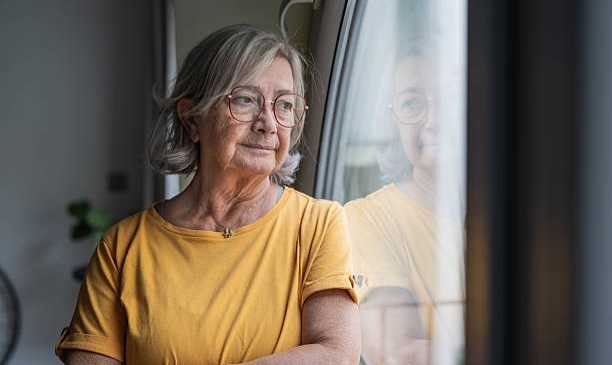
Retirement is often painted as the reward for decades of hard work. People imagine peaceful mornings, stress-free afternoons, and finally having enough time to enjoy life at a slower pace. But for many retirees in their seventies and eighties, retirement also comes with reflection, honesty, and sometimes regret.
A 65-year-old retiree recently shared conversations he had with several older retirees between the ages of 75 and 80. He asked them a simple but powerful question: What do you regret most about retirement?
Their answers were surprisingly emotional, practical, and deeply relatable.
These were not wealthy celebrities or financial experts speaking from a stage. They were ordinary retirees looking back on life with decades of wisdom behind them. While each person had a different story, the same themes kept appearing over and over again.
If you are approaching retirement, already retired, or even decades away from it, their advice might completely change how you think about your future.
Here are the five biggest regrets older retirees say they wish they could change.
1. They Wish They Had Retired Earlier
This was the most common regret by far.
Many of the retirees admitted they spent too many years working and not enough years truly living. Most of them retired at 65 because that was considered normal for their generation. Early retirement was not as realistic or accessible as it is for some people today.
Looking back now, many of them wish they had stepped away from work sooner.
They realized that the healthiest and most energetic years of retirement happen earlier than expected. By the time they finally stopped working, their energy levels were already changing. Some developed health problems, while others simply no longer had the same excitement or stamina they once had.
Several retirees explained that they spent years dreaming about retirement without realizing how quickly time moves once you reach it.
They wanted more years to travel, explore hobbies, spend time with loved ones, and simply enjoy life without deadlines or workplace stress. Instead, many feel they traded too much time for money they never fully used later in life.
That does not mean everyone should quit working immediately. Retirement decisions are deeply personal and financial realities matter. However, their advice was clear: do not postpone happiness forever waiting for the “perfect” retirement moment.
Sometimes more time is more valuable than more money.
2. They Wish They Had Spent More Money Earlier in Retirement
This answer surprises many people because retirees are usually portrayed as overly cautious with money.
But according to these older retirees, one of their biggest regrets was being too afraid to spend their savings when they were younger and healthier.
Many admitted they spent the early years of retirement constantly worrying about running out of money. Because of that fear, they delayed vacations, skipped experiences, and avoided spending on things they genuinely wanted to do.
Years later, they discovered they had more savings than expected but less ability to enjoy it.
As people age, travel becomes harder. Health limitations appear. Insurance costs increase. Long flights become exhausting. Even simple adventures can feel more difficult than they once did.
Several retirees said they now spend far less money because their lifestyles naturally became quieter and less active.
One retiree explained that during his sixties, he could have taken exciting trips, gone hiking, and explored new places comfortably. Now in his late seventies, he prefers staying close to home because traveling feels physically draining.
The lesson was not reckless spending.

Instead, their advice was about balance. Saving money matters, but retirement savings are meant to support a fulfilling life, not simply sit untouched in a bank account forever.
Experiences become harder to enjoy with age, so many retirees wish they had allowed themselves more freedom earlier while they still had the energy and health to fully appreciate it.
YOU MAY LIKE



3. They Wish They Had Taken Better Care of Their Health
This regret came with a lot of honesty.
Many retirees admitted they underestimated how important health would become later in life. Small habits that seemed harmless during their working years eventually became much bigger issues as they aged.
Some regretted not exercising regularly. Others admitted they ignored nutrition, gained weight, or failed to manage stress properly.
One retiree joked that sweets were his biggest weakness, but behind the humor was a serious message. He realized that the body keeps score over time.
The retirees emphasized something many younger people overlook: retirement is only enjoyable if your health allows you to enjoy it.
Financial freedom means far less if chronic pain, low energy, or medical problems prevent you from living the life you imagined.
Several older retirees explained that they once believed they would have plenty of time later to improve their health. Unfortunately, later arrived faster than expected.
Their advice was refreshingly simple:
- Walk more often
- Stay active consistently
- Eat better most of the time
- Take routine health checkups seriously
- Avoid treating your body carelessly
They were not advocating perfection or extreme fitness routines. Most simply wished they had treated their health with more respect earlier in life.
Many people spend years planning financially for retirement while completely neglecting the physical side of retirement.
Yet without health, even the best retirement plans become limited.
4. They Wish They Had Developed More Hobbies
One of the most emotional regrets involved boredom and purpose.
Several retirees admitted that after a certain age, life can become repetitive if you do not have meaningful activities to fill your time.
Many said they eventually grew tired of spending endless hours watching television. They wished they had developed hobbies earlier that could continue giving them joy later in life.
Interestingly, the hobbies themselves were not especially complicated or expensive.
Some retirees wished they had learned woodworking. Others mentioned photography, gardening, puzzles, writing, or crafts. One retiree even started writing memoirs for his great-grandchild, creating a personal time capsule to be opened years in the future.
That story stood out because it highlighted something deeper than simply staying busy.
Hobbies create purpose.

When careers end and children grow older, many retirees struggle with identity and structure. A meaningful hobby gives people something to look forward to each day. It keeps the mind active and provides a sense of progress and creativity.
Retirees also pointed out that hobbies often become easier and more enjoyable with age because patience increases over time.
One retiree mentioned photography specifically because he believed he would appreciate it even more as he got older and life slowed down.
The important message here is not necessarily about choosing the perfect hobby immediately.
It is about staying curious.
People who continue learning, creating, and exploring tend to maintain stronger emotional well-being throughout retirement. Having interests beyond television and routine chores can make later life feel much richer and more meaningful.
5. They Wish They Had Traveled More While They Still Could
Travel was another major regret repeated by nearly every retiree.
Many said they assumed they would travel extensively later in retirement. But once they reached their late seventies or early eighties, traveling no longer felt as easy or enjoyable as before.
Health concerns, mobility limitations, insurance costs, and reduced energy levels made long trips increasingly difficult.
Several retirees admitted they kept delaying travel because they thought there would always be more time.
Unfortunately, time changes people.
Places that once seemed exciting eventually began feeling too exhausting to visit. Flights became stressful. Long drives felt uncomfortable. Some retirees even lost confidence traveling far from home altogether.
The retirees who seemed happiest were often the ones who traveled earlier in retirement while they still had the energy and flexibility to enjoy it fully.
Interestingly, travel did not always mean luxury vacations or expensive international adventures.
Some retirees found joy simply driving across the country, visiting nearby towns, or taking road trips with family and pets. The important thing was experiencing life outside the usual routine.
One retiree explained that he and his spouse traveled heavily during their fifties and sixties before eventually settling into a quieter lifestyle later.
Now they still travel occasionally, but differently than before. Instead of flights and hectic schedules, they prefer slower road trips with their dogs.
That adjustment worked well because they enjoyed their more adventurous years while they still could.
Their advice was simple but powerful: do not assume you will always have the same energy, mobility, or confidence to travel later.
The Bigger Lesson Behind All Five Regrets
What makes these regrets so powerful is how ordinary they are.
None of these retirees wished they had worked longer hours, bought more expensive things, or impressed more people. Instead, their regrets centered around time, health, experiences, and purpose.

They wished they had prioritized living a little sooner.
Their reflections reveal an important truth about retirement that many people overlook. Retirement is not simply about stopping work. It is about building a life you actually enjoy living.
That life requires more than financial preparation.
It requires taking care of your body, staying mentally active, nurturing relationships, exploring new experiences, and allowing yourself to enjoy the years when you still have the ability to do so.
Many younger people believe retirement is a distant chapter that can wait indefinitely. But older retirees consistently warn that the years move faster than expected.
One day you are planning for retirement.
The next day you are reflecting on what you wish you had done differently.
Conclusion
The wisdom shared by retirees in their seventies and eighties carries a unique kind of honesty because it comes from lived experience rather than theory.
Their regrets were not dramatic mistakes or shocking life failures. Most involved simple choices repeated over decades.
Waiting too long.
Saving without enjoying.
Ignoring health.
Neglecting hobbies.
Postponing travel.
The encouraging part is that these regrets also contain valuable lessons. Many of them can still be avoided with small changes made today.
Whether retirement is five years away or thirty years away, these reflections serve as a reminder to think carefully about how you spend your time, energy, money, and health right now.
Because eventually, everyone reaches a point where they look back and ask themselves the same question:
Did I truly make the most of my time?