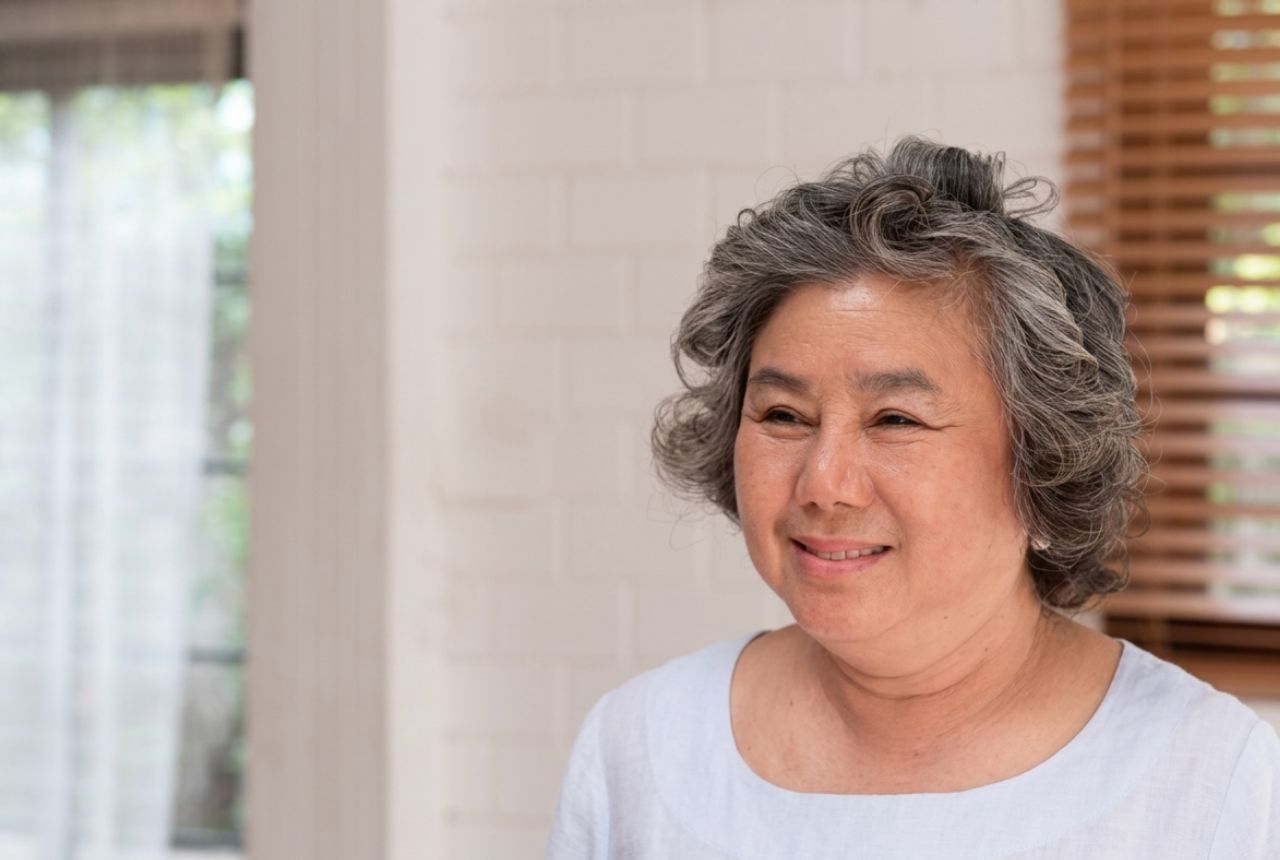
I once spent a quiet morning with someone in their sixties, and what struck me wasn’t anything they said. It was how comfortable they seemed doing absolutely nothing special.
There was no rush, no constant checking of notifications, and no pressure to stay busy. Yet they appeared genuinely happy. Watching that made me realize something important: many of the things that bring lasting happiness aren’t the things we’re taught to chase.
In a world that constantly pushes us toward more achievement, more possessions, and more stimulation, older adults often discover a different path. They learn to appreciate simple routines, peaceful moments, and everyday comforts that younger generations frequently overlook.
The truth is that happiness isn’t always found in big milestones or exciting experiences. Sometimes it’s hidden in the small pleasures we pass by every day.
People over 60 tend to understand this better than most. Their perspective offers a valuable reminder that a meaningful life is often built on simple joys rather than constant excitement.
Here are seven simple pleasures that many people over 60 cherish, and why they may hold the secret to a happier life..
The magic of an unhurried morning
An unhurried morning feels like a small luxury that people over 60 protect fiercely. They wake up without alarms screaming for attention and let the day arrive naturally. They sip tea or coffee slowly and enjoy the quiet before the world gets loud. That calm sets the emotional tone for everything that follows.
Younger generations often rush mornings with notifications, emails, and mental to-do lists. People over 60 choose presence instead. They read the paper, water plants, or sit near a window and watch the day unfold. They treat mornings as sacred space, not wasted time.
I’ve seen how this habit reduces stress instantly. A calm morning gives the mind room to breathe and think clearly. That mental clarity often leads to better decisions and a steadier mood all day.
This simple pleasure also reconnects people with their bodies. They stretch, move gently, and listen to how they feel instead of forcing productivity. That awareness builds long-term emotional balance.
An unhurried morning creates happiness because it replaces urgency with intention. Younger generations overlook this magic because hustle culture sells speed as success. People over 60 know better because they’ve lived long enough to see how peace beats pressure every time.
Deep conversations with the same old people
People over 60 treasure deep conversations with familiar faces. They don’t chase novelty in friendships. They value shared history, inside jokes, and conversations that pick up exactly where they left off. That continuity brings comfort no new connection can replace.
Younger generations often chase new circles, new apps, and endless introductions. People over 60 stick with people who know their stories already. They talk about memories, fears, regrets, and dreams without performing for approval. That emotional safety creates genuine happiness.
I’ve noticed how these conversations slow time. The talk flows naturally without pressure to impress. Silence even feels welcome instead of awkward.
These relationships also age beautifully. Trust deepens, empathy grows, and communication becomes effortless. Friends don’t need daily contact to feel close.
People over 60 appreciate depth over quantity in relationships. They understand that one meaningful conversation beats twenty shallow ones. FYI, this mindset protects emotional health better than constant social stimulation ever could.
The luxury of doing absolutely nothing
Doing nothing sounds boring to younger generations. People over 60 see it as freedom. They sit on a porch, stare at the sky, or rest without guilt. They don’t rush to justify their stillness.
This pleasure feels radical in a world obsessed with productivity. People over 60 reject the idea that worth depends on output. They rest because they earned it and because rest feels good.
I’ve tried this myself, and I felt uncomfortable at first. My brain wanted tasks and distractions. After a while, calm replaced restlessness.
Doing nothing allows creativity and reflection to surface naturally. Thoughts settle, emotions stabilize, and stress fades. This habit supports long-term happiness better than constant stimulation.
People over 60 understand that rest fuels joy, not laziness. Younger generations often overlook this because culture rewards busyness loudly. Happiness grows quieter with age, and stillness makes room for it.
Physical abilities you still have
People over 60 appreciate movement differently. They celebrate what their bodies can still do instead of focusing on limitations. A long walk, a stretch, or climbing stairs feels like a small victory.
Younger generations often take physical ability for granted. People over 60 notice every pain-free step and flexible joint. That gratitude transforms ordinary movement into daily joy.
I’ve watched older adults treat movement with respect instead of punishment. They walk for pleasure, not aesthetics. They move to feel alive, not to impress.
This mindset builds a healthier relationship with the body. Appreciation replaces frustration. Consistency replaces extremes.
People over 60 understand that physical ability connects directly to independence and happiness. They don’t chase perfection. They protect function.
Gratitude for physical ability fuels emotional resilience. Younger generations often miss this pleasure because they expect health to stay forever. Experience teaches otherwise.
Watching young people figure things out
People over 60 enjoy watching younger people navigate life. They observe mistakes with patience instead of judgment. They recognize growth because they remember their own learning curves.
This perspective brings quiet amusement and empathy. They don’t rush to correct everything. They allow lessons to land naturally.
I’ve noticed how this detachment reduces stress. People over 60 stop carrying responsibility for outcomes they can’t control. They offer guidance when asked and wisdom when welcomed.
This pleasure comes from acceptance. They trust time to teach what words can’t. Younger generations often overlook this joy because they feel pressure to have answers fast.
EDITORS' RECOMMENDATIONS



Watching others grow reminds people over 60 how far they’ve come. That reflection builds gratitude and peace.
Small gestures that mean everything
People over 60 notice small gestures deeply. A phone call, a warm meal, or a handwritten note carries real weight. They value effort over extravagance.
Younger generations often chase grand gestures. People over 60 appreciate consistency and sincerity. They recognize love in simple actions.
I’ve seen how a short visit brightens an entire week. Presence matters more than perfection.
These gestures strengthen emotional bonds. They remind people they matter. They build happiness quietly but powerfully.
People over 60 understand that relationships thrive on small acts repeated over time. That wisdom often comes from loss and experience.
Your own company
People over 60 enjoy their own company without fear. They sit alone comfortably and trust their thoughts. Solitude feels peaceful instead of lonely.
Younger generations often avoid silence. People over 60 embrace it. They know themselves well enough to enjoy their own presence.
I admire this deeply. Confidence grows when you don’t need constant distraction.
Solitude allows reflection, gratitude, and emotional regulation. It strengthens identity and inner calm.
Liking your own company creates unshakeable happiness. Younger generations often overlook this pleasure because external validation feels louder. Age teaches the value of inner approval.
Conclusion
The art of happiness after 60 doesn’t rely on big achievements or constant excitement. It grows from simple pleasures, deep connections, and self-acceptance. People over 60 understand what truly matters because life taught them through experience.
Younger generations can borrow this wisdom anytime. Slow down. Notice more. Appreciate what stays instead of chasing what fades. Happiness doesn’t shout—it whispers, and age teaches us how to listen.