Some people fear being alone. Others quietly master it.
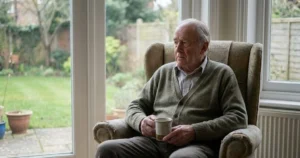
I started noticing this when I spent time with a retired neighbor who lived by himself. He didn’t look lonely. He looked calm. He smiled often, moved slowly, and seemed deeply content. He didn’t fill every moment with noise. He filled his life with intention.
That experience taught me something powerful: solitude doesn’t create loneliness—lack of purpose does. Retirees who feel at peace alone follow simple daily habits that protect their emotional well-being. They don’t isolate themselves. They build a life that feels complete, whether others show up or not.
Let’s talk about the exact daily habits retirees use to enjoy solitude without feeling lonely.
1) They create morning rituals that celebrate silence
Peaceful retirees don’t rush their mornings. They protect them.
They wake up slowly and avoid grabbing their phones immediately. They sit quietly with their thoughts. They let their mind wake up naturally instead of shocking it with news, notifications, or stress.
Morning silence creates emotional stability. It allows the brain to settle before the outside world demands attention.
Many retirees follow simple morning rituals like:
- Drinking coffee or tea in silence
- Sitting outside and watching the sunrise
- Writing in a journal
- Saying quiet prayers or reflecting
- Taking slow walks
These rituals don’t look dramatic. They look ordinary. But they build extraordinary calm over time.
I tried this myself, and I noticed something quickly. My anxiety dropped. My thoughts felt clearer. I felt more in control of my day instead of reacting to everything.
Silence strengthens your relationship with yourself. It teaches you that you don’t need constant stimulation to feel okay.
Retirees understand this deeply. They don’t treat silence as emptiness. They treat it as nourishment.
2) They maintain curiosity through continuous learning
Curiosity keeps the mind alive. Peaceful retirees never stop learning.
They read books. They watch documentaries. They learn new skills. They ask questions. They refuse to let their mind become stagnant.
Learning creates purpose. Purpose prevents loneliness.
Many retirees explore interests they never had time for during their careers. They learn things simply because they enjoy them. They don’t chase achievement. They chase fulfillment.
Common ways retirees stay curious include:
- Reading daily
- Learning technology
- Studying history or philosophy
- Taking online courses
- Practicing new hobbies
Curiosity gives the brain something to look forward to every day.
IMO, curiosity acts like emotional fuel. It keeps your inner world active and exciting. You don’t rely on other people to entertain you.
Curious people enjoy their own company more. Their mind becomes a rich, engaging place.
Retirees who maintain curiosity never feel stuck. They continue growing, and growth always creates meaning.
3) They practice meditation without making it complicated
Many people avoid meditation because they think it requires perfection. Peaceful retirees keep it simple.
They don’t force themselves to sit for hours. They don’t chase spiritual breakthroughs. They simply sit, breathe, and observe.

Meditation helps retirees feel comfortable with their own presence.
They practice meditation in small, practical ways:
- Sitting quietly for 5–10 minutes
- Focusing on breathing
- Watching their thoughts without reacting
- Practicing gratitude
- Sitting in nature
They don’t judge themselves for having thoughts. They accept them.
I remember trying meditation for the first time. My mind wandered constantly. I thought I failed. Then I realized something important: meditation isn’t about stopping thoughts—it’s about observing them calmly.
This realization changed everything.
Retirees understand that meditation builds emotional independence. They don’t depend on external distractions to escape discomfort.
They learn to sit with themselves peacefully.
This skill removes fear of solitude completely.
4) They nurture creativity without judgment
Creative expression gives retirees emotional freedom.
They paint. They write. They garden. They cook. They build things. They don’t worry about being perfect. They care about expressing themselves.
Creativity gives solitude meaning.
Many retirees explore creative hobbies like:
- Painting or sketching
- Writing stories or journaling
- Gardening
- Cooking new recipes
- Playing music
They don’t seek validation. They enjoy the process.
Creative activities create flow. Flow absorbs attention fully. When people enter flow, they stop feeling lonely.
I noticed this when I started writing regularly. Hours passed quickly. I felt satisfied afterward. I didn’t need external entertainment.
Creativity strengthens your relationship with yourself.
Retirees understand this truth well. They use creativity to explore their thoughts, emotions, and identity.
They don’t create to impress others. They create to understand themselves.
5) They move their bodies with intention
Peaceful retirees treat movement as emotional maintenance, not punishment.
They walk daily. They stretch. They stay physically active. They don’t obsess over intense workouts. They focus on consistency.
Movement improves mood and mental clarity.

Physical movement releases powerful emotional benefits:
- Reduces anxiety
- Improves mood
- Increases energy
- Enhances mental clarity
- Builds confidence
Many retirees develop simple movement routines like morning walks or light stretching.
FYI, walking alone can feel incredibly therapeutic. It allows your mind to reset. It clears emotional tension naturally.
Retirees don’t move their bodies to look impressive. They move to feel alive.
Movement reconnects them with their physical presence.
This connection strengthens emotional stability and reduces feelings of isolation.
6) They curate meaningful connections strategically
Peaceful retirees don’t chase constant social interaction. They choose quality over quantity.
They maintain relationships that bring emotional value. They avoid relationships that create stress, negativity, or emotional exhaustion.
They become intentional about who they allow into their life.
They focus on connections that feel:
- Supportive
- Respectful
- Calm
- Genuine
- Emotionally safe
They don’t fear being alone. They fear being surrounded by the wrong people.
I learned this lesson the hard way. Some social interactions drained my energy instead of restoring it. When I reduced those interactions, I felt more peaceful immediately.
Peaceful retirees understand that solitude protects emotional health.
They don’t isolate themselves. They simply protect their emotional energy carefully.
They socialize when it feels meaningful, not out of obligation.
7) They establish boundaries without guilt
Boundaries protect emotional peace. Retirees who enjoy solitude understand this clearly.
They say no when something doesn’t feel right. They don’t apologize for protecting their time and energy.
Boundaries prevent emotional burnout.
They establish boundaries in simple ways:
- Limiting draining conversations
- Protecting personal time
- Avoiding toxic environments
- Saying no to unnecessary obligations
They don’t feel guilty for choosing themselves.
Many people struggle with this. They fear disappointing others. They sacrifice their peace to maintain approval.
Retirees learn something freeing: protecting your peace isn’t selfish—it’s necessary.

When you protect your energy, you feel stronger emotionally. You stop relying on external validation.
This creates deep inner stability.
8) They create sacred spaces for solitude
Peaceful retirees create environments that support emotional calm.
They design spaces that feel safe, comfortable, and personal. These spaces help them relax and recharge.
Your environment directly affects your emotional state.
Sacred solitude spaces often include:
- Comfortable seating
- Natural light
- Plants
- Books
- Quiet atmosphere
These spaces invite reflection and relaxation.
I created a small reading corner in my home, and it changed how I experienced solitude. That space felt like a retreat from stress.
Environment shapes emotional experience more than people realize.
Retirees understand this deeply. They build spaces that encourage calm and introspection.
These spaces turn solitude into comfort instead of isolation.
Solitude becomes peaceful when you build a life that feels complete
The art of being alone without being lonely doesn’t happen accidentally. Peaceful retirees build it intentionally through daily habits.
They follow simple but powerful practices:
- They protect quiet mornings
- They stay curious and keep learning
- They meditate and reflect regularly
- They express creativity freely
- They move their bodies consistently
- They choose meaningful relationships carefully
- They establish strong emotional boundaries
- They create peaceful personal spaces
These habits transform solitude into strength.
Here’s the truth most people miss: loneliness doesn’t come from being alone—it comes from feeling disconnected from yourself.
When you build a strong inner life, solitude feels peaceful, not empty.
Start small. Protect your mornings. Explore curiosity. Create something. Spend time with yourself intentionally.
You might discover something surprising.
Your own company might become your favorite place to be.