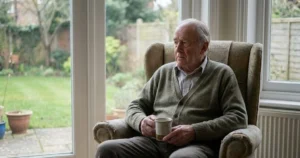
Aging alone doesn’t automatically mean aging lonely. I learned that the hard way after watching people with packed calendars still feel empty, while others lived solo and felt deeply fulfilled. Loneliness doesn’t come from being alone. It comes from living without intention.
I care about this topic because I’ve seen how quietly loneliness sneaks in when routines fade and connections thin out. I also know how powerful a few small habits can feel when you practice them consistently.
This article walks through nine habits that completely change how aging alone feels, not in a preachy way, but in a real-life, “this actually works” way.
If you want independence and emotional richness, you’re in the right place. Let’s talk like friends and figure this out together.
1. Create Morning Rituals That Give You Purpose
Morning sets the emotional temperature for the entire day. When you wake up without structure, the hours blur together and motivation slips away fast. I’ve noticed that people who age well alone anchor their mornings to meaning, not productivity.
A ritual doesn’t mean a rigid routine. It means you wake up knowing why the day matters. I like to start mornings with one intentional act that feels grounding, even if everything else stays flexible.
Here’s what effective morning rituals usually include:
- A consistent wake-up window, not an exact time
- One quiet activity that doesn’t involve a screen
- One purposeful action you can complete before noon
That purposeful action matters more than people admit. It might involve journaling, tending plants, walking the same route, or reading a few pages of something that feeds your mind. These actions remind you that you still shape your days.
Purpose grows from repetition. When you repeat small meaningful actions, your brain stops asking, “Why bother?” You show yourself that your time still counts. That mindset alone reduces loneliness dramatically.
IMO, mornings work best when they feel personal, not optimized. Skip the influencer routines. Build something you actually enjoy.
2. Master the Art of Scheduled Spontaneity
Spontaneity fades with age unless you protect it on purpose. People assume freedom increases when obligations drop, but the opposite often happens. Days become predictable, and predictability slowly dulls joy.
I swear by scheduled spontaneity because it balances structure with surprise. You block time for exploration without deciding exactly how you’ll use it. That freedom keeps curiosity alive.
You might schedule:
- A weekly “open afternoon” with no plans
- One monthly day trip chosen last-minute
- A standing rule to say yes to one unplanned invite
This habit works because your brain relaxes when it sees time set aside. You stop waiting for something exciting to happen and start allowing it. I’ve discovered new cafés, friendships, and hobbies during these windows simply because I showed up available.
Loneliness shrinks when life still feels dynamic. Surprise creates stories, and stories create emotional momentum. You don’t need chaos. You just need room for the unexpected.
FYI, spontaneity doesn’t mean recklessness. It means trusting yourself enough to explore without overthinking. That trust builds confidence fast.

3. Volunteer for Something That Matters
Nothing pulls you out of your own head faster than showing up for something bigger. Volunteering gives aging alone a powerful sense of relevance. You stop asking, “Do I still matter?” because the answer shows up every time you help.
I’ve noticed something interesting: people who volunteer regularly rarely describe themselves as lonely. They describe themselves as needed. Feeling needed changes everything.
Strong volunteer experiences share a few traits:
- They involve real people, not just tasks
- They create recurring responsibility
- They align with personal values
You don’t need to save the world. You just need consistency. One afternoon a week mentoring, helping at a shelter, or supporting a local cause creates rhythm and connection.
Volunteering also builds social contact without pressure. You interact around shared purpose, not small talk. That removes awkwardness and deepens bonds naturally.
When you age alone, contribution becomes your social glue. Purpose-driven connection lasts longer than casual connection. You feel rooted instead of floating.
4. Cultivate Curiosity Like Your Life Depends on It
Curiosity keeps the mind young and the heart open. The moment curiosity fades, loneliness grows louder. Curious people always feel connected because the world keeps inviting them in.
I treat curiosity like a muscle. I use it daily, even when comfort tries to take over. Learning something new reminds me that I still evolve.
Curiosity can look simple:
- Asking better questions
- Trying unfamiliar genres or topics
- Talking to people outside your usual circle
Every new interest creates micro-connections. You start noticing patterns, stories, and opportunities again. That awareness pulls you outward instead of inward.
Aging alone feels heavy when days repeat. Curiosity breaks repetition. It turns ordinary moments into discoveries.
I honestly think curiosity acts like emotional oxygen. Without it, solitude suffocates. With it, solitude energizes.
5. Build Bridges Before You Need Them
Most people wait until loneliness hurts before reaching out. That timing makes connection harder and more awkward. I’ve learned to build social bridges early, even when life feels full.
Bridges include neighbors, acquaintances, and light-touch friendships. You don’t need deep bonds with everyone. You need familiarity and warmth woven into daily life.
Helpful bridge-building habits include:

- Remembering names and details
- Sending low-pressure check-ins
- Showing up consistently in shared spaces
These small actions create emotional safety nets. When life shifts, you already stand connected. You don’t scramble for support.
Loneliness hits hardest during transitions. Bridges turn transitions into shared experiences. That support feels priceless when routines change.
This habit takes effort upfront, but it saves emotional energy later. Trust me, future-you will thank you.
6. Learn to Be Your Own Good Company
This habit changes everything. When you enjoy your own company, solitude stops feeling like a problem. I didn’t learn this overnight. I practiced it slowly.
Being good company means treating yourself like someone you enjoy spending time with. You plan things. You listen. You stay present.
That might mean:
- Cooking meals you actually like
- Taking solo outings without distraction
- Talking to yourself with kindness
People who master this habit don’t fear quiet moments. They use them. Self-relationship shapes every other relationship.
When you age alone, this skill protects your emotional stability. You don’t depend on others to feel complete. You choose connection from a place of wholeness.
That independence feels empowering, not isolating. Slay, honestly.
7. Create Evidence of Your Existence
Loneliness grows when days disappear without leaving a trace. I combat that by creating visible proof that I lived, learned, and felt something.
Evidence doesn’t need an audience. It needs intention.
Examples include:
- Journals or voice notes
- Photos with personal meaning
- Creative projects, big or small
These records remind you that your life carries narrative. You didn’t just pass time. You experienced it.
Looking back at evidence grounds you during quiet stretches. Memory anchors identity. That anchor keeps loneliness from rewriting your story.
You don’t need perfection. You need honesty. Capture moments as they are.

8. Say Yes Before Your Brain Talks You Out of It
Overthinking kills connection. I learned to say yes faster because hesitation feeds isolation. If something feels safe and interesting, I commit before doubt shows up.
This habit works because momentum matters. Action creates energy. Waiting drains it.
You might say yes to:
- Invitations you’d usually decline
- New classes or communities
- Conversations that feel slightly uncomfortable
Each yes expands your comfort zone. Expansion reduces loneliness. You meet new versions of yourself along the way.
Your brain loves excuses. Don’t let it run the show. Trust your curiosity instead.
9. Protect Your Solitude Without Worshipping It
Solitude nourishes, but obsession isolates. I guard my alone time carefully, but I don’t treat it like a sacred bubble.
Healthy solitude includes:
- Intentional time alone
- Balanced social contact
- Flexibility when connection appears
The goal involves choice, not avoidance. When you choose solitude, it restores you. When solitude chooses you, it drains you.
Aging alone works best when solitude supports connection, not replaces it. You stay open. You stay reachable.
That balance keeps loneliness away while preserving independence. That sweet spot feels powerful.
Final Thoughts
Aging alone doesn’t demand isolation. It asks for intention. These nine habits work because they turn solitude into a conscious lifestyle instead of an emotional accident.
You don’t need all nine today. Start with one. Let it grow. Then add another.
Your life still holds connection, meaning, and surprise. You just need habits that invite them in.