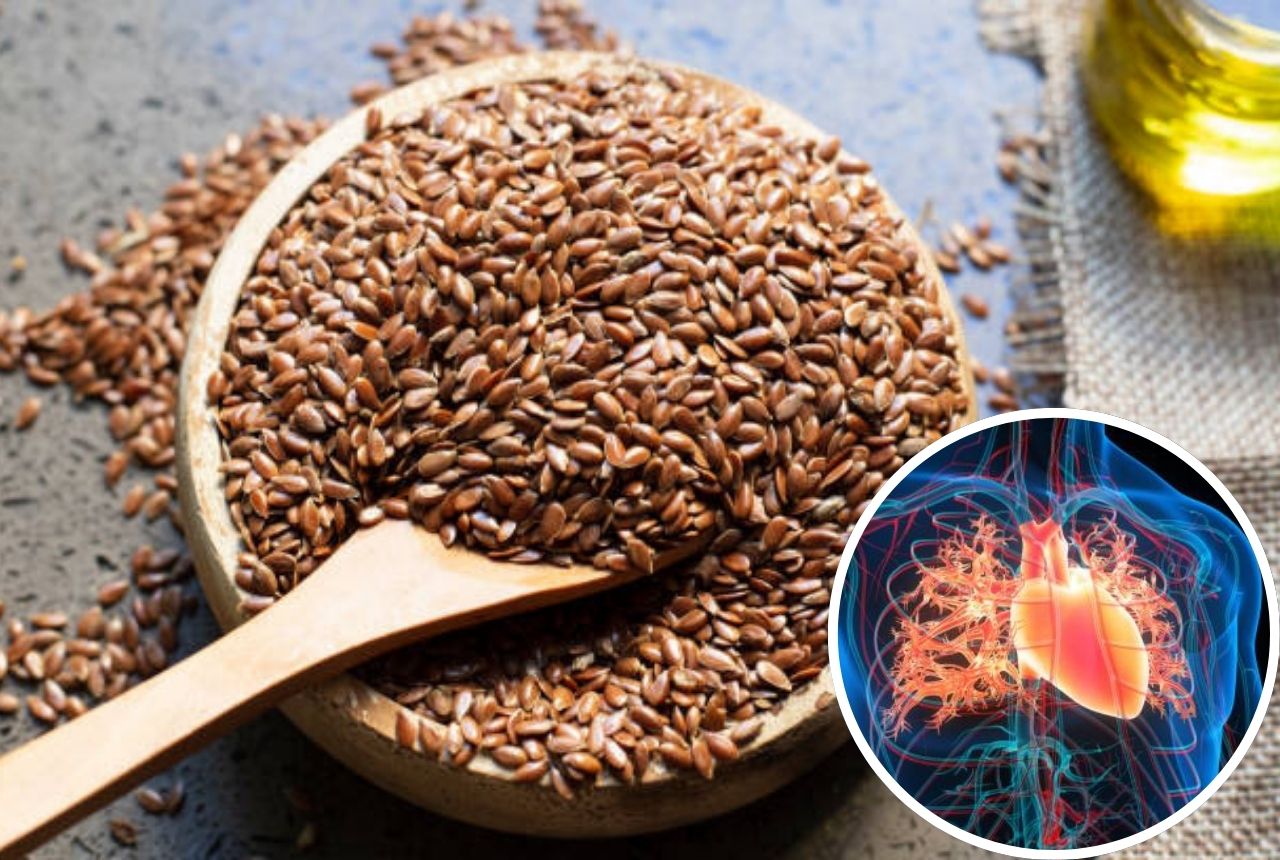
What if one of the most powerful things you could do for your heart and blood vessels had nothing to do with expensive medications or complicated medical procedures? What if it came from a tiny seed so small you could hold thousands of them in your hand?
It may sound surprising, but modern research shows that a simple, affordable food—flaxseed—can have a remarkable impact on cardiovascular health. Studies have shown that this tiny seed may help relax blood vessels, lower blood pressure, reduce inflammation, and improve circulation throughout the body.
While many people have heard of flaxseed, few understand just how powerful its health benefits can be. Let’s explore the science behind flaxseed and how adding it to your daily routine could support your heart and overall well-being.
Why Blood Vessel Health Matters
Your blood vessels are far more than simple tubes that carry blood around the body. They are living tissues with an inner lining called the endothelium. This layer plays a crucial role in maintaining cardiovascular health.
The endothelium helps control:
- Whether blood vessels relax or constrict
- Inflammation inside the vessel walls
- Blood clot formation
- Cholesterol buildup in arteries
When the endothelium is healthy, blood vessels remain flexible, blood flows smoothly, and blood pressure stays within a healthy range. This significantly reduces the risk of heart attacks and strokes.
However, when the endothelium becomes damaged, blood vessels can become stiff and narrow. Blood pressure rises, inflammation increases, and plaque may begin to accumulate in the arteries—setting the stage for cardiovascular disease.
This is where flaxseed becomes especially interesting.
The Three Powerful Compounds in Flaxseed
Flaxseed supports cardiovascular health through three key components that work together.
1. Plant-Based Omega-3 Fatty Acids (ALA)
Flaxseed is one of the richest plant sources of alpha-linolenic acid (ALA), a type of omega-3 fatty acid.
Omega-3 fats are widely known for their heart benefits, but while fish provides EPA and DHA, flaxseed delivers ALA, which also plays an important role in vascular health.
Research suggests ALA can:
- Reduce inflammation in blood vessels
- Lower production of inflammatory molecules
- Improve the body’s ability to produce nitric oxide
Nitric oxide is essential because it signals blood vessels to relax and widen. When vessels dilate, blood flows more easily and blood pressure decreases.
Interestingly, many blood pressure medications work by targeting this same nitric oxide pathway.
2. Lignans – Powerful Antioxidants
Flaxseed is the richest dietary source of compounds called lignans.

One lignan in particular, known as secoisolariciresinol diglucoside (SDG), is converted by gut bacteria into beneficial compounds such as enterolactone and enterodiol.
These compounds act as powerful antioxidants that help:
- Neutralize harmful free radicals
- Reduce oxidative stress in blood vessels
- Protect nitric oxide from being destroyed
Oxidative stress is one of the main causes of endothelial dysfunction. By reducing this stress, lignans help keep blood vessels flexible and healthy.
3. Soluble Fiber for Cholesterol Control
Flaxseed is also rich in soluble fiber, which supports heart health in several ways.
Soluble fiber helps:
- Lower LDL (“bad”) cholesterol
- Improve blood sugar regulation
- Support healthy digestion
It works by binding to bile acids in the gut and removing them from the body. As a result, the liver must use cholesterol from the bloodstream to produce more bile, lowering circulating LDL levels.
Lower cholesterol levels reduce the risk of plaque buildup in arteries.
What the Research Says
Scientific research on flaxseed and heart health is impressive.
One notable study, known as the FlaxPAD Trial, investigated the effects of flaxseed on patients with peripheral artery disease. Participants consumed 30 grams of milled flaxseed daily for six months.
The results were remarkable:
- Average systolic blood pressure dropped by about 10 mmHg
- Diastolic blood pressure decreased by about 7 mmHg
These reductions are similar to what many first-line blood pressure medications achieve.
Researchers described this as one of the largest blood pressure reductions ever observed from a dietary intervention.
Other studies also show that flaxseed may:
- Reduce arterial stiffness
- Lower inflammation markers like C-reactive protein
- Improve blood vessel flexibility
All of these factors contribute to better cardiovascular health.
Why Ground Flaxseed Is Better Than Whole
One important detail many people overlook is that whole flaxseeds are difficult for the body to digest.

The outer shell is extremely tough, meaning many seeds pass through the digestive system without releasing their nutrients.
For maximum benefits, flaxseed should be consumed ground or milled.
Grinding breaks the shell and makes the beneficial compounds available for absorption.
You can:
- Buy pre-ground flaxseed
- Grind whole seeds using a coffee or spice grinder
Because omega-3 fats are sensitive to heat and air, ground flaxseed should be stored in an airtight container in the refrigerator or freezer.
How Much Flaxseed Should You Eat?
Most studies showing cardiovascular benefits used about 30 grams per day, which equals roughly 2 tablespoons of ground flaxseed.
This amount can easily be added to everyday foods such as:
- Oatmeal
- Smoothies
- Yogurt
- Salads
- Baked goods
Flaxseed has a mild, slightly nutty flavor, making it easy to include in your daily meals.
Consistency is key—the benefits develop gradually over weeks or months.
The Role of Gut Health
Your gut microbiome also plays a role in how effectively flaxseed works.
Gut bacteria convert flaxseed lignans into their active compounds. A healthy and diverse gut microbiome improves this process.
Supporting gut health with:
- fiber-rich foods
- fermented foods
- a varied plant-based diet
can enhance the benefits of flaxseed even further.
Safety Considerations
Flaxseed is generally safe for most people, but a few precautions are worth noting.

Because it is high in fiber:
- Start with 1 tablespoon per day
- Gradually increase to 2 tablespoons
Also make sure to drink plenty of water.
People taking blood-thinning medications or blood pressure drugs should consult a healthcare professional before making significant dietary changes.
A Simple Food With Powerful Benefits
Cardiovascular disease remains the leading cause of death worldwide. Many of the underlying factors—high blood pressure, inflammation, arterial stiffness, and endothelial dysfunction—are influenced by lifestyle and diet.
Flaxseed addresses several of these factors simultaneously by:
- Enhancing nitric oxide production
- Reducing oxidative stress
- Lowering inflammation
- Improving artery flexibility
- Reducing LDL cholesterol
While it is not a replacement for medical treatment, it can be a powerful addition to a heart-healthy lifestyle.
A Simple Daily Habit for Better Heart Health
One of the easiest ways to incorporate flaxseed into your routine is to attach it to a habit you already have.
For example:
- Stir it into your morning oatmeal
- Add it to your daily smoothie
- Mix it into yogurt or cereal
By making it part of an existing routine, it becomes effortless and consistent.
Final Thoughts
Sometimes the most powerful health solutions are surprisingly simple. Flaxseed is an inexpensive, widely available food backed by strong scientific evidence supporting its cardiovascular benefits.
Just two tablespoons of ground flaxseed per day could help support healthier blood vessels, better circulation, and improved heart health over time.
Small daily habits can make a big difference—and sometimes, that change begins with a tiny seed.