What if your body has been warning you about kidney problems for weeks, or even months, and you simply didn’t realize it?
Maybe you’ve noticed puffiness around your eyes in the morning. Perhaps your ankles seem more swollen than usual, or your skin feels unusually dry and itchy. You might even be waking up several times at night to use the bathroom.
Most people brush off these changes as stress, aging, dehydration, or lack of sleep. But sometimes, these seemingly small symptoms can be early warning signs of kidney disease.
Kidney disease is often called a “silent condition” because it can develop slowly without obvious symptoms in the early stages. In fact, studies suggest that many people with chronic kidney disease don’t even know they have it until significant kidney damage has already occurred.
The good news is that your body often sends subtle signals before kidney problems become severe. By learning to recognize these signs, you may be able to seek medical attention early and protect your kidney health.
In this article, we’ll look at nine visible signs that may indicate kidney disease, explain why they happen, and discuss when you should consider speaking with a doctor.
Why Your Kidneys Are So Important
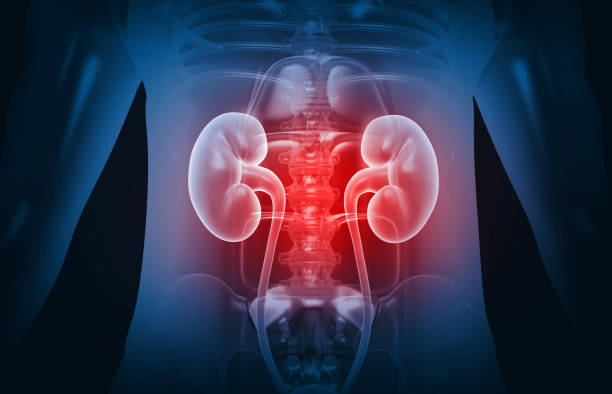
Your kidneys are two bean-shaped organs located in your lower back, just below the rib cage on each side of your spine. Although they are only about the size of a fist, they perform several essential functions that keep your body healthy.
Most people know that the kidneys filter waste from the blood and produce urine. But their responsibilities go far beyond that.
Your kidneys also help:
- Regulate blood pressure
- Balance electrolytes like sodium and potassium
- Produce hormones that stimulate red blood cell production
- Activate vitamin D for strong bones
- Maintain the body’s fluid balance
Every day, your kidneys filter roughly 200 liters of blood, removing toxins and excess fluids.
When kidney function begins to decline, waste products and fluid can accumulate in the body. This imbalance can lead to noticeable changes in various parts of the body—from your skin and nails to your urine and breath.
1. Puffiness Around the Eyes
One of the earliest visible signs of kidney problems is persistent puffiness around the eyes, especially in the morning.
Occasional eye puffiness is common and may result from poor sleep, allergies, or eating salty foods. However, kidney-related swelling tends to occur regularly and may not go away easily.
This happens because damaged kidneys may leak protein into the urine. One of the most important proteins in the blood is albumin, which helps keep fluid inside blood vessels.
When albumin levels drop, fluid can leak into surrounding tissues. The skin around the eyes is thin and sensitive, making it one of the first places where this fluid buildup becomes noticeable.
If you frequently wake up with swollen or puffy eyes without an obvious cause, it may be worth discussing with a healthcare professional.
2. Swelling in the Feet and Ankles
Another common sign of kidney problems is swelling in the ankles, feet, or lower legs. This condition is known as edema.
Healthy kidneys help remove excess sodium and fluids from the body. When kidney function declines, these substances may accumulate in the bloodstream.

This extra fluid often settles in the lower parts of the body due to gravity, causing swelling in the legs and feet.
You may notice:
- Shoes feeling tighter than usual
- Socks leaving deep marks on your skin
- Visible puffiness around the ankles
In some cases, pressing your finger into the swollen area may leave a temporary indentation known as pitting edema.
3. Changes in Urine
Your urine can reveal a great deal about your kidney health.
Because the kidneys are responsible for producing urine, any change in their function can affect its appearance and frequency.
Some warning signs include:
Foamy Urine
Persistent foam or bubbles in the toilet bowl may indicate protein leaking into the urine, which is a common sign of kidney damage.
Blood in the Urine
Urine that appears pink, red, or cola-colored may contain blood. This can happen when damaged kidney filters allow blood cells to pass into the urine.
However, blood in the urine can also be caused by infections or kidney stones, so it always requires medical evaluation.
Frequent Urination at Night
Waking up several times during the night to urinate may be an early sign that the kidneys are losing their ability to concentrate urine properly.
4. Dry and Itchy Skin
Persistent itching that does not improve with moisturizers may sometimes be related to kidney problems.
When the kidneys fail to filter toxins effectively, waste products can build up in the bloodstream. These toxins may irritate the skin and lead to intense itching.
Kidney disease can also disrupt the balance of minerals such as calcium and phosphorus. High phosphorus levels may contribute to skin irritation and dryness.
Additionally, kidney problems can interfere with the body’s ability to activate vitamin D, which plays an important role in maintaining healthy skin.
5. Pale or Washed-Out Skin
Kidney disease often leads to a condition called anemia, which can cause the skin to appear pale.
Healthy kidneys produce a hormone called erythropoietin (EPO). This hormone signals the bone marrow to produce red blood cells.
When the kidneys become damaged, they produce less EPO. As a result, the body may produce fewer red blood cells, leading to anemia.

Because red blood cells carry oxygen throughout the body, low levels can cause symptoms such as:
- Pale or dull skin tone
- Fatigue
- Weakness
- Shortness of breath
Even the inside of the lower eyelids may appear lighter than normal when anemia is present.
6. Changes in the Nails
Your nails can reveal surprising clues about your overall health, including kidney function.
One nail condition associated with kidney disease is called “half-and-half nails,” also known as Lindsay’s nails.
In this condition:
- The lower portion of the nail near the cuticle appears pale or white
- The upper portion near the tip appears brown or reddish
A clear line separates the two halves of the nail.
Other possible nail changes include brittle nails or horizontal white lines, which may indicate low protein levels in the blood.
7. Persistent Bad Breath or Metallic Taste
Kidney problems can sometimes cause an unusual taste in the mouth or persistent bad breath.
When the kidneys cannot properly remove waste products from the blood, a substance called urea may accumulate.
Bacteria in the mouth break down urea into ammonia, which can produce a strong odor on the breath.
Some people also experience a metallic taste in the mouth, making food taste different or unpleasant. This may lead to reduced appetite and unintended weight loss.
8. Skin Discoloration
Advanced kidney disease can sometimes cause noticeable changes in skin tone.
Some individuals develop a yellowish, grayish, or dull complexion due to the buildup of waste products that the kidneys normally eliminate.
In rare cases of severe kidney failure, a condition known as uremic frost can occur. This happens when high levels of urea are released through sweat and crystallize on the skin, leaving a white powder-like residue.
Although rare today due to modern treatments, this condition highlights how kidney disease can affect the entire body.
9. Muscle Cramps and Twitching
Frequent muscle cramps—especially at night—may also be linked to kidney problems.

The kidneys play a crucial role in maintaining the balance of electrolytes such as calcium, potassium, and magnesium. When these minerals become imbalanced, muscles may contract involuntarily.
This can lead to:
- Painful leg cramps
- Muscle twitching under the skin
- Weakness or fatigue
Severe electrolyte imbalances can even affect the heart, making proper kidney function essential for overall health.
When You Should See a Doctor
Experiencing one or two of these symptoms does not automatically mean you have kidney disease. Many of these signs can also be caused by other conditions.
However, persistent symptoms should never be ignored.
Doctors can evaluate kidney function using two simple tests:
Blood Test: Measures creatinine levels and calculates the glomerular filtration rate (GFR), which indicates how well the kidneys filter blood.
Urine Test: Checks for protein or albumin in the urine, which can signal early kidney damage.
Early detection can make a huge difference. With proper treatment and lifestyle changes, the progression of kidney disease can often be slowed or even prevented.
Major Risk Factors for Kidney Disease
Some people are more likely to develop kidney disease than others. Common risk factors include:
- Diabetes
- High blood pressure
- Family history of kidney disease
- Heart disease
- Obesity
- Smoking
- Age over 60
People with these risk factors should consider regular kidney health screenings.
Final Thoughts
Your body constantly communicates with you through small changes in how you look and feel. The key is learning how to listen.
Your kidneys work 24 hours a day filtering waste, balancing fluids, and keeping your body functioning properly. When something begins to go wrong, the body often sends warning signs.
Puffiness around the eyes, swelling in the legs, changes in urine, itchy skin, pale complexion, nail changes, bad breath, skin discoloration, and muscle cramps may all be signals worth paying attention to.
If you notice persistent symptoms, consider speaking with a healthcare professional. A simple test today could help detect problems early and protect your health for years to come.