
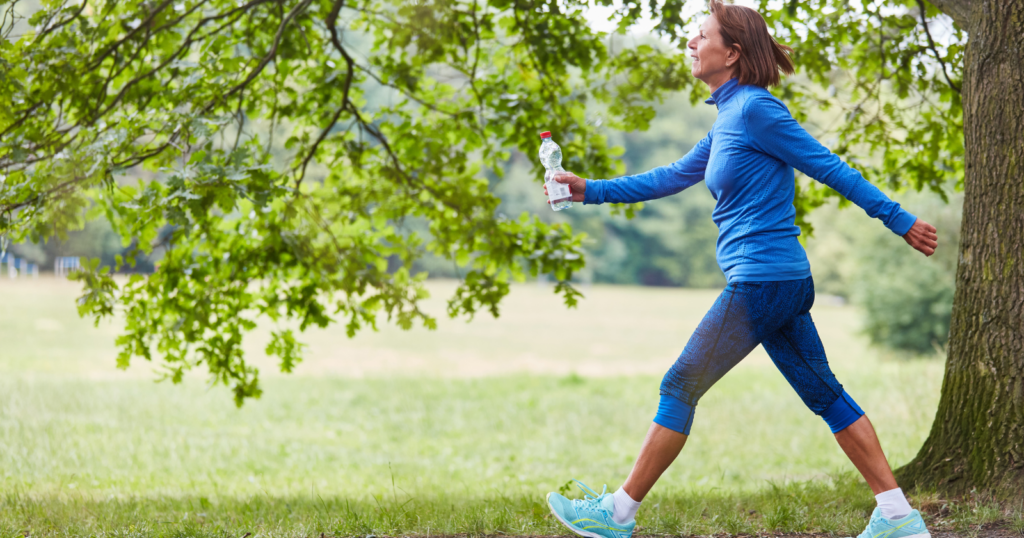
Walking shouldn’t feel like punishment. Yet somehow, it often turns into that thing we know we should do but secretly avoid. I’ve been there—standing by the door, shoes on, already bored. What changed everything for me wasn’t more discipline. It was perspective. Once I shifted how I approached walking, it stopped feeling like a task and started feeling like a reward. Let’s talk about how to make that shift stick.
Reimagine Your Idea of Walking
Most people treat walking like a lesser version of exercise. That mindset drains the joy before your foot even hits the ground. I used to think walking only “counted” if I tracked steps, calories, or speed. That thinking sucked the life out of it fast.
Instead, I started seeing walking as personal time, not workout time. That single change flipped everything. Walking became flexible, forgiving, and pressure-free. I didn’t need special gear, a perfect route, or a set duration. I just needed to move.
I also stopped tying walking to productivity. No deadlines. No goals. Just motion. Once I did that, walking felt lighter and more inviting. Walking doesn’t need a purpose to be valuable. Existing while moving already counts.
Here’s how to mentally reframe walking in a way that sticks:
- Think of it as a daily reset, not exercise
- See it as time you gift yourself, not time you “spend”
- Allow imperfect walks—slow, short, distracted all count
When I walk now, I remind myself that I’m not trying to achieve anything. I’m simply participating in being human. IMO, that mindset alone can turn walking from a chore into something you actually look forward to.
Challenge Yourself With a Fresh Personal Goal
Routine kills motivation faster than almost anything. Walking the same route with the same expectations turns dull quickly. I learned that walking needs play, not pressure.
Instead of chasing big fitness goals, I started setting small, personal challenges that felt fun. Nothing public. Nothing competitive. Just goals that nudged curiosity.
For example, I once challenged myself to walk every street in my neighborhood over a month. Another time, I aimed to walk at sunrise five times in one week. Those goals didn’t feel heavy. They felt intriguing.
The key here is self-chosen goals that spark interest, not guilt. You want goals that make you think, “That sounds fun,” not “I should probably do that.”
Some easy walking challenges that actually work:
- Create a themed walk, like “quiet streets only”
- Set a consistency goal, such as 10 minutes daily for a week
- Explore unfamiliar paths within a set distance
- Tie walking to curiosity, like spotting new shops or murals
I also avoid tracking everything. Numbers help some people, but they drain me. I focus on how the walk felt instead. FYI, emotional wins stick longer than metrics ever will.
When walking turns into a personal game you designed, motivation follows naturally.
Mix in Some Natural Therapy
Nature changes walking completely. Even a small dose makes a noticeable difference. I didn’t realize how much until I compared walking next to traffic versus walking near trees. The difference felt instant.

Nature slows your thoughts without forcing them to stop. You don’t need deep forests or scenic trails either. A park, a tree-lined street, or even open sky counts.
YOU MAY LIKE



When I walk in natural spaces, my breathing deepens automatically. My shoulders drop. My pace softens. That response isn’t random—your nervous system responds to natural patterns.
Here’s how I intentionally add natural therapy into walks:
- Choose routes with greenery, even if they’re longer
- Walk during golden hour for softer light and calmer vibes
- Notice sensory details, like leaves, wind, or birds
- Leave headphones off occasionally to stay present
I also treat nature walks as permission to slow down. No rushing. No optimizing. Slowness becomes the point, not a flaw.
If walking feels heavy right now, chances are you need less stimulation, not more motivation. Nature gives that reset quietly and reliably.
Spice It Up With Variety
Monotony kills joy. Walking needs variety the same way meals do. Eat the same thing daily, and even your favorite dish gets boring.
I rotate my walks intentionally. Different times. Different speeds. Different vibes. That keeps walking fresh without requiring effort.
Some days I stroll slowly and wander. Other days I power-walk with purpose. I also switch locations when possible. Even reversing a familiar route changes how it feels.
Easy ways to add variety without overthinking it:
- Alternate walking times, like mornings vs evenings
- Change your pace mid-walk to reset attention
- Walk with or without audio, depending on mood
- Switch surfaces, such as pavement, dirt, or grass
I also treat walks like playlists. Some walks feel reflective. Others feel energetic. Matching the walk to your mood keeps it aligned instead of forced.
When walking adapts to your life instead of competing with it, consistency becomes effortless.
Make It a Chance for Self-Reflection
Walking creates a rare mental space. You move just enough to loosen thoughts without overwhelming them. That’s why some of my clearest ideas show up mid-walk.
I use walking as thinking time, not problem-solving time. There’s a difference. I don’t force answers. I let thoughts wander and settle naturally.

Sometimes I reflect on questions like:
- What’s been draining me lately?
- What actually felt good this week?
- What do I need more of right now?
I don’t journal while walking. I just notice. Walking becomes a moving meditation, not a productivity hack.
If reflection feels heavy, keep it light. Think about music you love, places you want to visit, or memories that make you smile. Reflection doesn’t need to be serious to be meaningful.
Walking gives your mind room to breathe. That alone makes it valuable.
Connect With Those Around You
Walking doesn’t have to be solitary to feel restorative. Some of my most enjoyable walks happened with someone else—no pressure, no agenda.
Walking side-by-side removes the intensity of face-to-face conversations. Words flow easier. Silence feels less awkward. Connection feels natural.
I use walking to:
- Catch up with friends
- Spend time with family
- Strengthen casual relationships
Even brief interactions matter. A wave. A smile. A quick chat. Walking reminds you that you exist among others, not just inside your head.
If you struggle with motivation, invite someone along occasionally. Shared movement creates accountability without pressure.
Connection turns walking into shared experience, not solo effort.
Turn It Into a Fun Game
Gamifying walking works when you keep it light. The moment it feels forced, the magic disappears.
I play simple mental games:

- Counting interesting doors or windows
- Creating mini scavenger hunts
- Matching steps to music beats
You can also use apps if that excites you, but don’t rely on them. The game should support the walk, not control it.
One of my favorites involves curiosity. I choose one thing to notice intentionally—colors, sounds, or shapes. That focus sharpens awareness and makes time pass faster.
Games wake up your inner child. That playful energy turns walking into something you want to do.
Find Personal Fulfillment in Walking
At its core, walking connects you to yourself. It reminds you that movement belongs to you—not a gym, app, or schedule.
Walking gives you:
- Space to think
- Time to feel
- Freedom to move at your own pace
I stopped asking what walking could do for me physically and started asking what it gave me emotionally. The answer surprised me.
Walking gives me clarity, calm, and confidence. It grounds me. It reminds me that progress doesn’t need to be dramatic to matter.
When walking aligns with who you are, it stops feeling optional. It becomes part of how you take care of yourself.
Final Thoughts
Walking doesn’t need fixing. Your relationship with it does. Once you remove pressure and add intention, walking transforms quietly and completely.
So next time walking feels like a chore, pause. Shift the lens. Make it personal. Make it playful. Make it yours.
That’s when walking stops asking for effort—and starts giving something back.