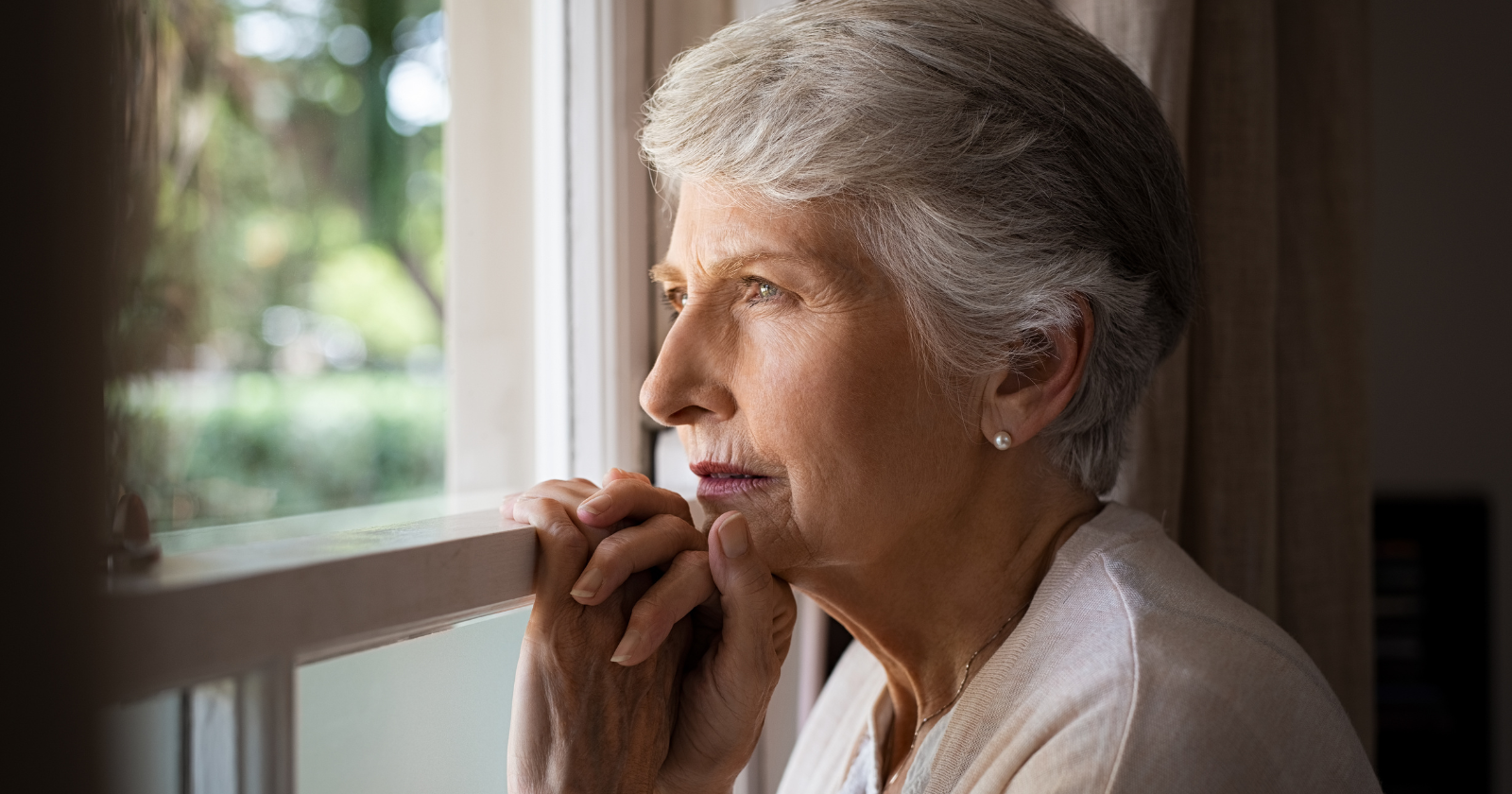
Loneliness hits differently when you live long enough to see people come and go. Most younger people think loneliness only happens when you physically sit alone. But people over 75 know a deeper truth. Loneliness often shows up even in crowded rooms, busy homes, and full contact lists.
I’ve watched older relatives experience this firsthand. They didn’t just lose people. They lost routines, roles, and sometimes parts of their identity. That experience taught them lessons most younger people ignore until life forces them to understand.
If you want to understand loneliness the way people over 75 do, these eight truths explain everything.
Loneliness has nothing to do with how many people are in the room
Many younger people assume loneliness disappears when others surround you. But older adults know loneliness has more to do with emotional connection than physical presence. You can sit at a family dinner and still feel completely invisible.
I remember visiting an older neighbor during holidays. His house filled with relatives, noise, and laughter. Yet he told me later that he felt like a guest in his own home. People talked around him, not with him. That subtle difference made all the impact.
Presence without connection creates emotional distance. People over 75 recognize this quickly because they experienced both meaningful and shallow interactions throughout their lives.
They notice specific signs younger people often ignore:
- Conversations that feel rushed or forced
- People checking phones instead of listening
- Lack of genuine curiosity about their thoughts
- Feeling tolerated instead of valued
These small moments add up. They slowly create emotional isolation even in social environments.
Older adults also understand that quality always beats quantity when it comes to connection. One meaningful conversation satisfies more than ten shallow ones.
Younger people often chase crowds, followers, and constant interaction. But older people prioritize depth. They know emotional intimacy protects you from loneliness far more than social activity ever will.
The people who promise to always be there often won’t be
When you’re young, promises feel permanent. Friends swear loyalty. Family members make long-term plans. You assume these relationships will last forever. But people over 75 know life changes people, and many promises don’t survive those changes.
They’ve watched friends move away, drift apart, or pass on. They’ve seen priorities shift. They’ve learned that intentions often fail, even when they start sincerely.
This lesson doesn’t make them bitter. It makes them realistic.
I once heard someone over 80 say something that stuck with me: “People mean it when they say it. They just don’t know who they’ll become later.”
That insight explains everything.
Older adults understand several painful but important truths:
- People grow in different directions
- Life circumstances force unexpected changes
- Shared history doesn’t guarantee future closeness
- Emotional availability shifts over time
Younger people often interpret distance as betrayal. Older people see it as part of life’s natural progression.
They also learn something empowering. They stop depending entirely on others for emotional stability. They build internal strength instead of relying only on external consistency.
This mindset protects them from devastating disappointment. They still love deeply. But they accept uncertainty without illusion.
Being alone and being lonely are completely different experiences
This lesson surprises many younger people. They fear being alone because they assume it automatically leads to loneliness. But people over 75 know being alone often brings peace, while loneliness brings emotional pain.
Alone time gives you space to think, reflect, and recharge. Loneliness creates emotional emptiness and disconnection.
These two experiences feel completely different.
Older adults often grow comfortable spending time alone. They read, walk, reflect, or simply sit quietly. They don’t panic when no one surrounds them.
They understand the difference clearly:

- Being alone feels peaceful
- Being lonely feels heavy
- Being alone feels intentional
- Being lonely feels unwanted
This distinction changes everything.
IMO, younger people avoid solitude too aggressively. They fill every quiet moment with noise, scrolling, or distraction. They never give themselves space to develop internal stability.
Older adults learn that comfort with solitude strengthens emotional independence. They don’t need constant external stimulation to feel complete.
This ability protects them from loneliness. When you enjoy your own company, you reduce your emotional dependence on others.
Ironically, people who embrace solitude often build stronger relationships. They choose connection intentionally instead of desperately seeking it.
Your relationship with yourself determines everything else
People over 75 understand one powerful truth: your internal relationship shapes your external relationships. If you don’t respect, trust, or accept yourself, loneliness follows you everywhere.
Younger people often look outward for validation. They seek approval, attention, and reassurance. They hope others will fill emotional gaps.
Older adults learn that approach rarely works long-term.
They realize something critical. You carry yourself into every room, every conversation, and every relationship. You can’t escape your internal dialogue.
If that dialogue constantly criticizes or doubts you, loneliness intensifies even when others surround you.
Older adults strengthen their internal relationship through experience. They face challenges, losses, and changes. These experiences force self-reflection.
They learn habits that protect their emotional well-being:
- Accepting imperfections without shame
- Forgiving themselves for past mistakes
- Developing emotional independence
- Valuing their own thoughts and presence
This internal stability creates emotional resilience.
When you feel comfortable with yourself, you don’t rely on others to define your worth. You still value connection, but you don’t depend on it for survival.
Self-connection becomes your emotional foundation. Everything else builds on top of it.
Technology connects and isolates simultaneously
Technology gives younger people constant access to others. Messages arrive instantly. Social media creates endless interaction. But people over 75 recognize technology creates both connection and isolation at the same time.
They’ve lived in both worlds. They remember life before digital communication. They understand what slower, deeper connection felt like.
Technology offers convenience, but it also creates emotional distance.
Older adults notice specific patterns younger people miss:
- Frequent messaging without meaningful conversation
- Digital interaction replacing physical presence
- Superficial updates replacing emotional sharing
- Constant connection without emotional satisfaction
FYI, quantity of communication doesn’t guarantee quality of connection.
Younger people often mistake activity for intimacy. They send dozens of messages but rarely share deeper thoughts.
Older adults prefer fewer but more meaningful interactions. They value voice, presence, and attention.

Technology helps maintain relationships across distance. But it also encourages emotional shortcuts.
Real connection requires attention, vulnerability, and presence. Technology supports that process, but it cannot replace it.
People over 75 understand this balance clearly. They use technology as a tool, not a substitute for human connection.
Purpose matters more than people sometimes
This lesson challenges common assumptions. Younger people believe relationships alone prevent loneliness. But people over 75 know purpose often protects emotional well-being more effectively than constant social interaction.
Purpose gives your life structure and meaning. It gives you a reason to wake up and engage with the world.
Older adults who maintain purpose experience less loneliness, even when they spend time alone.
Purpose can take many forms:
- Helping others through volunteering
- Caring for family members
- Pursuing hobbies and creative interests
- Maintaining daily routines and goals
Purpose creates internal motivation. It gives your life direction beyond social validation.
I’ve seen older adults thrive emotionally while living alone. They stayed busy, engaged, and mentally active. They didn’t wait for others to give their life meaning.
Younger people often depend heavily on social interaction for emotional fulfillment. They struggle more when relationships change or disappear.
Older adults build purpose independently. This independence protects them emotionally.
Purpose creates emotional stability that doesn’t depend on other people’s presence.
Relationships enrich your life. Purpose sustains it.
Loss is cumulative but so is resilience
People over 75 experience more loss than younger people. They lose friends, family members, roles, and routines. Each loss creates emotional impact.
But they also develop something powerful: resilience.
Resilience grows the same way loss grows. It builds gradually over time.
Older adults learn they can survive emotional pain. They learn they can adapt. They learn they can rebuild emotional stability.
Each experience strengthens their coping ability.
They develop emotional skills younger people haven’t fully formed yet:
- Accepting change without resistance
- Processing grief without losing hope
- Adapting to new realities
- Continuing forward despite emotional pain
Loss never becomes easy. But older adults stop fearing it the same way.
They trust their ability to recover.
This confidence reduces loneliness. They don’t panic when life changes. They know they can handle emotional discomfort.
Resilience becomes their emotional safety net.

Younger people often underestimate their own resilience. They haven’t tested it fully yet.
Older adults have proof.
Meaning-making is a choice, not a discovery
Younger people often wait for life to give them meaning. They search for purpose, clarity, or fulfillment. They hope something external will provide answers.
People over 75 know meaning comes from choices, not discoveries.
They create meaning through perspective.
They choose how they interpret experiences. They decide what matters. They define their own emotional narrative.
This mindset gives them emotional control.
Two people can experience the same situation but interpret it differently. One feels abandoned. The other feels independent.
The difference comes from meaning-making.
Older adults actively shape their emotional perspective:
- They focus on gratitude instead of loss
- They value memories instead of absence
- They appreciate time instead of fearing it
- They accept change instead of resisting it
This approach reduces loneliness significantly.
They don’t wait for perfect circumstances. They create emotional fulfillment intentionally.
Meaning becomes something they build, not something they find.
This lesson empowers them emotionally, even in isolation.
Loneliness teaches lessons most people avoid until later
Loneliness doesn’t just create pain. It creates clarity.
People over 75 understand loneliness differently because life forced them to face it honestly. They learned that connection starts internally, purpose stabilizes emotions, and meaning comes from perspective.
They don’t rely on crowds, technology, or promises to protect their emotional well-being. They rely on self-connection, resilience, and intentional living.
Younger people often dismiss these lessons because they haven’t needed them yet. But these truths eventually reach everyone.
If you learn them early, you protect yourself emotionally for life.
So here’s the real question: Are you building emotional strength now, or waiting for loneliness to teach you later?