Saturday mornings in the 1960s and 70s felt sacred. No alarms screamed for attention. No phones buzzed with notifications. You woke up knowing the day belonged to you.
Those mornings followed unspoken rituals that shaped entire childhoods, and honestly, nothing today comes close.
I grew up hearing these stories from parents, neighbors, and older relatives, and the patterns always matched. The routines stayed simple, social, and grounded in the real world.
These Saturday morning rituals from the 1960s and 70s didn’t rely on screens, subscriptions, or schedules. They relied on presence.
Let’s talk about the ones that disappeared for good.
1) Reading the Saturday Morning Comics in the Actual Newspaper
Saturday started with the sound of paper unfolding. You didn’t scroll for comics. You hunted for them. The newspaper landed on the porch, and kids raced to grab the funnies before anyone else could claim them.
That ritual mattered because it felt physical and intentional. You spread the pages across the floor or kitchen table and moved panel by panel. Peanuts, Garfield, Calvin and Hobbes, Blondie—they all lived on ink and newsprint.
You also learned patience without realizing it. You waited a full week for the next strip. That delay made every joke land harder. IMO, that anticipation made the humor stick longer.
Saturday comics also created quiet bonding moments.
- Parents read headlines nearby
- Kids shared strips and laughed together
- Everyone slowed down for a few minutes
No algorithm decided what you read. You took what the paper offered, and somehow, it always felt enough.
2) The Ritual of Saturday Morning Cartoons
Saturday morning cartoons ruled childhood like a law of nature. You woke up early on purpose because missing the opening theme felt tragic. No streaming. No replays. If you missed it, you missed it.
Kids planned mornings around shows like Scooby-Doo, Looney Tunes, The Jetsons, and Super Friends. You poured cereal into a big bowl and parked yourself inches from the TV. That glow felt magical.
Commercial breaks mattered too. They introduced toys, snacks, and jingles that stayed in your head all week. FYI, those ads worked because kids actually watched them.

The ritual taught structure without anyone trying.
- Wake up early
- Watch your lineup
- TV went off by late morning
Saturday cartoons created shared cultural memories. Everyone saw the same episodes at the same time, and that unity vanished with on-demand viewing.
3) Playing Outside Until the Street Lights Came On
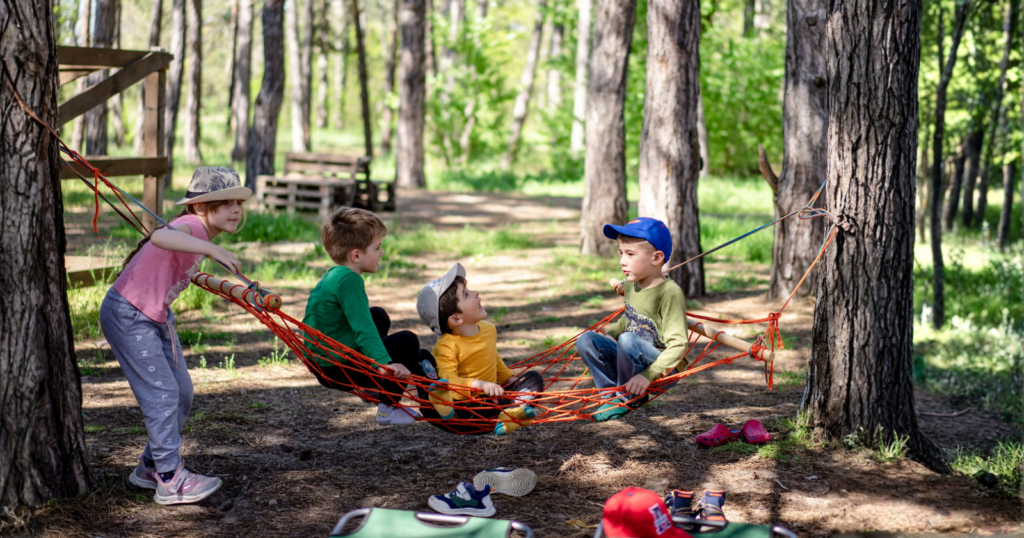
Saturday mornings bled into afternoons outdoors. Kids didn’t ask permission to play. They announced it. You grabbed your friends and disappeared into the neighborhood.
Bikes leaned against fences. Balls rolled across lawns. Games changed rules mid-play because no adult refereed anything. Kids solved problems face-to-face.
The street lights signaled the end of freedom. That glow meant dinner waited, and nobody argued. Everyone respected the rule.
Outside play built real skills:
- Negotiation
- Physical confidence
- Independence
You didn’t track steps or calories. You just moved. Modern childhood lost that wild, unsupervised energy, and nothing replaced it.
4) The Family Phone as the Only Connection
Every house had one phone, and it stayed in one spot. The cord stretched just far enough to allow privacy if you angled your body right. Everyone shared it.
Calling a friend required bravery. You spoke to parents first. You used manners. You spoke clearly because no one texted corrections later.
Saturday mornings included calls that sounded like this:
- “Hi, may I speak to Mike?”
- “Yes, this is his mother.”
That ritual taught confidence fast. You learned social skills without tutorials.

Missed calls meant missed connections. No voicemail saved you. That reality forced people to show up in person more often, which honestly strengthened friendships.
5) Getting Your Bike Fixed at the Local Shop
Bikes mattered. They represented freedom. When something broke, you didn’t toss it. You walked it to the local bike shop.
Those shops smelled like oil and rubber. The owner knew your name and your usual problems. Repairs took time, and you watched every step.
That ritual taught respect for craftsmanship.
- You learned how gears worked
- You waited patiently
- You appreciated fixes
Modern replacements happen instantly or not at all. Back then, waiting felt normal. Kids valued their bikes more because effort went into keeping them alive.
6) The Weekly Pilgrimage to the Library
Saturday mornings often included a quiet trip to the library. You walked through heavy doors and lowered your voice automatically. Nobody reminded you.
Libraries felt powerful. Rows of books promised escape, knowledge, and mystery. You chose stories by touch and instinct, not recommendations.
You carried stacks home and read them slowly because return dates mattered. That pressure created discipline without stress.
Libraries also encouraged curiosity.
- Kids explored random sections
- Librarians offered guidance
- Silence felt comforting
Today’s instant access removed that sense of discovery. Back then, finding the right book felt like winning a prize.
7) Helping with Real Household Tasks
Saturday mornings included chores, but they felt different. Kids contributed because families needed help, not because charts demanded it.
You washed cars, mowed lawns, fixed shelves, or helped cook. Adults explained why tasks mattered. Kids learned responsibility through participation.

Those chores built pride.
- You saw results immediately
- You earned trust
- You gained real skills
Nobody gamified the process. Helping simply belonged to being part of a household, and that lesson stuck.
8) The Neighborhood Coffee Klatch
Adults gathered too. Saturday mornings often included neighbors standing outside with coffee cups, sharing news and stories. Kids played nearby while conversations flowed.
That ritual created community.
- Neighbors watched out for each other
- Kids felt safe everywhere
- News traveled face-to-face
No group chats replaced those moments. Everyone stayed present.
Those conversations anchored neighborhoods. Today’s isolation makes that loss feel heavy.
Final Thoughts
These Saturday morning rituals from the 1960s and 70s shaped generations through simplicity, presence, and community. They didn’t rely on technology or trends. They relied on people showing up.
You can’t recreate them exactly, but you can borrow the spirit. Slow down. Be present. Talk to people. Let Saturday mornings feel special again.
Some things never need upgrades.