Ever feel like life is just… happening to you? One minute you’re on top of the world, the next, someone cuts you off in traffic, your favorite show gets canceled, and your plans fall apart.
If that sounds familiar, you’re not alone. I used to get mad at everything—tiny annoyances, big setbacks, you name it. Then I stumbled into Stoicism, and wow, it flipped my perspective.
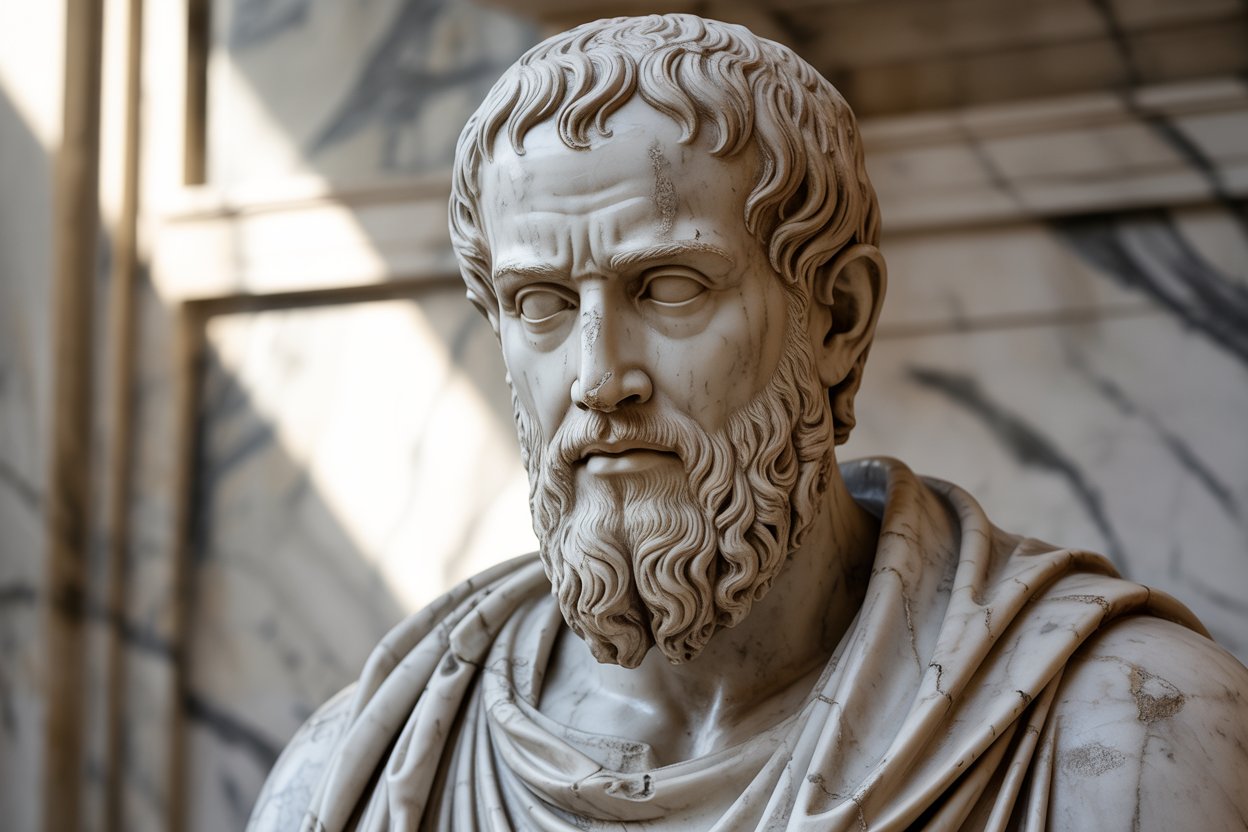
Stoicism isn’t some dusty old philosophy reserved for philosophers in togas. It’s a toolkit for navigating life like a pro, even when things get messy. Over the years, I’ve found that just a few key Stoic ideas can make life less chaotic, more intentional, and surprisingly freeing.
Here are five pieces of Stoic wisdom that could genuinely change your life if you let them.
1. You Can’t Control Events — Only Your Response
Let’s start with the big one: you don’t control life, only how you respond to it. Sounds simple, but I promise it’s way harder in practice. Picture this: your train is late, your boss emails a passive-aggressive note, and your coffee spills on your laptop. What do you do? Freak out? Cry in despair? Or… take a deep breath and handle the next step calmly?
Here’s the Stoic trick: ask yourself, “Can I control this?”
- If yes → take action.
- If no → let it go.
This principle doesn’t mean ignoring problems or being a doormat. It’s about choosing your battles and not wasting energy on stuff outside your control. Personally, I use this whenever something “ruins” my day. I pause, breathe, and decide my next move. Surprisingly, it works. My blood pressure is lower, and I spend less time being angry at the universe for things it literally doesn’t care about :).
Ever wondered why this approach feels revolutionary? Because most of us spend way too much time arguing with reality, instead of shaping our response. That’s where the freedom comes in—your response is yours. Always.

2. Your Emotions Come From Your Interpretations, Not the World
Here’s one that blew my mind: events don’t make you upset—your interpretation does. Think about it. Someone cancels on you. Are you hurt because of the cancellation itself? Or because you interpreted it as disrespect or rejection?
Stoics like Epictetus were obsessed with this idea. They believed that you can’t control what happens, but you can control how you perceive it.
- Example: Traffic jam.
- Interpretation 1: “Ugh, I’m stuck! My day is ruined!” → frustration, stress.
- Interpretation 2: “Cool, extra time to jam to my playlist.” → calm, maybe even a little joy.
Your emotional state is literally the result of your thoughts, not external events. I’ve started journaling a little every morning, noting potential stressors and how I might interpret them. FYI, it works wonders. I’ve caught myself thinking: “Oh, that’s annoying,” instead of spiraling into panic—and it saves me from a LOT of unnecessary drama.
So next time your emotions spike, ask: “Am I reacting to reality, or just my story about it?” Trust me, that one question is a game-changer.
3. Discipline Is the Foundation of Freedom
Now, this one might sound counterintuitive: how can discipline make you freer? Doesn’t discipline feel like restriction? Stick with me here. Stoics believed that freedom isn’t doing whatever you want—it’s mastering yourself.
Think about it: if you let every craving, impulse, or distraction run wild, are you free? Nope, you’re a slave to your whims. But if you train your mind and habits, you gain real freedom.

- Here’s what I mean:
- Waking up early consistently → more time for priorities, less panic.
- Exercising regularly → energy and confidence instead of guilt.
- Budgeting → control over finances instead of constant stress.
Discipline doesn’t have to be extreme. I’m not saying you should become a monk or skip dessert forever (don’t tempt me ;)). It’s about creating rules that serve your long-term goals, so life feels easier, not harder. IMO, self-discipline is like building a trampoline under your daily life—it supports you and bounces you forward rather than letting you fall into chaos.
4. Memento Mori: Reflect on Your Mortality
Here’s a Stoic idea that’s equal parts terrifying and liberating: memento mori, which literally means remember that you will die. Yep, I said it. Mortality isn’t exactly dinner-table conversation, but it’s powerful.
Why? Because thinking about death changes how you live right now. When I really internalized this, I noticed subtle but profound shifts:
- I stopped sweating the small stuff—like that coworker’s passive-aggressive email.
- I prioritized experiences over meaningless “busyness.”
- I forgave myself faster because life is too short to linger in guilt.
I like to reflect on this every now and then. It’s not morbid; it’s like a mental wake-up call. When you realize life isn’t infinite, your daily choices get weight. Ever tried it? Just a minute of serious reflection—think, “I won’t be here forever”—and suddenly, your priorities get crystal clear.
5. The Obstacle Is the Way
Finally, the crown jewel of Stoicism: the obstacle itself is the path forward. Life throws curveballs constantly—stress at work, relationship drama, personal setbacks. Stoics say: stop whining and look for the lesson and opportunity in the problem.
I’ve personally tested this philosophy more times than I can count. Every failure or annoying setback has a hidden “growth gift,” if I’m willing to unpack it. Here’s what that looks like in practice:
- Missed deadline → I learn better time management (and maybe a touch of humility).
- Criticism → I identify blind spots I didn’t see before.
- Rejection → I redirect energy toward something better.
The obstacle isn’t a wall—it’s a training ground for resilience and skill. Sounds cliché? Maybe. But it works. And honestly, life’s more interesting when you stop avoiding difficulty and start seeing it as a playground for growth.

Conclusion
So, there you have it—five Stoic nuggets that actually hit different when you let them sink in:
- You can’t control events, only your response.
- Your emotions come from your interpretations, not the world.
- Discipline is the foundation of freedom.
- Memento mori: reflect on your mortality.
- The obstacle is the way.
Adopting even one of these ideas can make life feel calmer, more purposeful, and way less like a random mess of chaos. Personally, embracing Stoicism has helped me stop fighting reality and start shaping my life on my terms.
So, here’s my challenge to you: try one of these today. Notice how it changes your thoughts, your day, maybe even your week. And remember, Stoicism isn’t about being perfect—it’s about being intentional. Small tweaks, big impact.
Trust me, give it a shot. Your future self (and your blood pressure) will thank you)