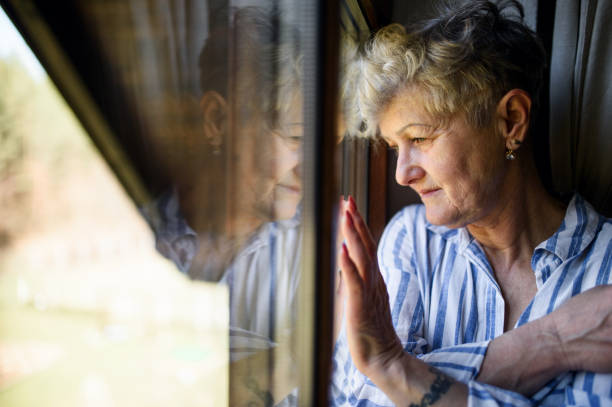
You don’t notice the shift when it starts. In your 60s, everything still feels wide open. You still drive. You still choose your routines. You still tell yourself, “I like my space,” and it feels empowering.
But fast-forward 15 or 20 years, and some of those same choices can quietly turn into barriers. Things that once protected your independence can slowly limit your connection.
I’ve watched this happen with older relatives and neighbors, and honestly, it surprised me. Nobody planned to end up isolated. They simply built habits around independence, and those habits stayed long after circumstances changed.
Here are 10 specific things that feel like independence in your 60s but often feel like isolation in your 80s—and why that middle decade matters more than most people realize.
1. Driving everywhere instead of learning the bus routes
Driving feels like pure freedom in your 60s. You leave whenever you want. You avoid waiting. You stay in full control of your day.
Most people tell themselves, “I don’t need public transportation. Driving works fine.” And honestly, it does—until it doesn’t.
Vision changes. Reaction time slows. Confidence drops. Suddenly, driving at night feels stressful. Then highway driving feels exhausting. Eventually, many people stop driving entirely.
That’s when the real problem shows up.
If you never learned alternative transportation, you lose more than mobility. You lose:
- Spontaneous outings
- Simple errands without help
- Easy access to social activities
- A sense of personal freedom
I watched my neighbor go through this. He drove everywhere until 78. Then he stopped abruptly. He never learned the bus routes, never tried ride apps, and never built comfort with alternatives. Within a year, he rarely left his house.
The key issue isn’t driving. The issue is depending on only one option.
People who stay socially active in their 80s usually build transportation flexibility earlier. They treat buses, rides, and walking as normal parts of life—not emergency backups.
Independence grows when you create options, not when you rely on just one system.
2. Living in that beautiful house with all those stairs
In your 60s, a multi-level house feels like a reward. You worked hard for it. You love the space. You love the privacy.
Stairs don’t feel like a problem. They feel like exercise.
But over time, those same stairs quietly turn into obstacles.
Knees stiffen. Balance changes. Energy drops. Suddenly, climbing stairs multiple times per day feels draining.
Many people start adjusting their lives without realizing it. They begin to:
- Avoid certain rooms
- Limit movement inside their own home
- Stay on one floor most of the day
- Go out less often to avoid climbing back up later
The house that once gave freedom slowly reduces movement.
I saw this with a relative who loved his two-story home. By his early 80s, he spent almost all his time downstairs. The upstairs became unused space. Eventually, even leaving the house felt like too much effort.
The emotional part hits harder than the physical part.
Your home should support your life, not quietly shrink it.
People who maintain connection often move earlier or adapt their homes while they still feel strong. They don’t wait for a crisis to force change.
IMO, the smartest move always involves thinking ahead, not reacting late.
3. Keeping your social circle small and “drama-free”
This one feels especially satisfying in your 60s.
You trim your social circle. You avoid difficult people. You focus only on peaceful relationships.
You tell yourself, “I don’t need a lot of people.”
And honestly, that mindset makes sense. Drama drains energy. Peace feels better.
But here’s the hidden risk.
As the years pass, life naturally reduces your circle. People move away. Health issues limit mobility. Some friends pass on.

If you already reduced your circle to just a few people, even small losses feel huge.
Suddenly, you realize how fragile a small network can be.
People who stay socially connected in their 80s often maintain layers of connection, such as:
- Close friends
- Casual friends
- Acquaintances
- Community members
- Familiar faces from routines
Not every relationship needs deep emotional investment. Even light social contact protects mental health.
A larger social network creates resilience.
You don’t need drama. But you do need diversity in your connections.
4. Refusing to join groups because you’re “not a joiner”
Many independent people say this proudly.
They avoid clubs. They skip community groups. They prefer doing things alone.
It feels authentic. It feels honest.
But groups serve a powerful purpose beyond the activity itself.
Groups create structured, repeat social contact. They remove the pressure of initiating plans constantly.
When people avoid groups entirely, they rely on individual friendships to maintain connection. That system works fine—until those friendships weaken or disappear.
Groups provide stability.
They offer:
- Regular interaction
- Familiar faces
- Shared experiences
- Built-in social opportunities
I’ve noticed something interesting. People who join even one small group often stay socially active longer.
It doesn’t need to be complicated. It can be:
- Walking groups
- Faith communities
- Volunteer organizations
- Hobby clubs
Groups create consistency. Consistency protects connection.
You don’t need to join everything. But joining something matters more than most people realize.
5. Handling everything yourself to avoid being a burden
This mindset feels honorable. You don’t want to inconvenience anyone. You take pride in self-sufficiency.
You tell yourself, “I’ll handle it.”
And in your 60s, you absolutely can.
But refusing help creates distance over time.
Relationships grow stronger through mutual support. When you never accept help, you unintentionally limit emotional closeness.
People feel needed when they help. They feel connected when they contribute.
By always handling everything yourself, you remove opportunities for others to engage with you.
Ironically, extreme independence can reduce connection.
People who stay socially connected longer usually allow small moments of support. They accept help occasionally. They allow others to participate in their lives.
Accepting help strengthens relationships. It doesn’t weaken independence.
FYI, this shift feels uncomfortable at first. But it creates stronger bonds over time.

6. Skipping family events that seem unimportant
In your 60s, skipping events feels harmless.
You feel tired. You don’t feel like traveling. You assume there will always be another opportunity.
You tell yourself, “It’s not a big deal.”
But family connection depends on repeated presence.
Small gatherings build familiarity. Familiarity builds closeness.
When you skip too many events, you slowly weaken those bonds.
Over time, invitations decrease. Not out of rejection—but out of habit.
People assume you prefer staying home.
People who maintain strong family connections often attend even small events. They understand that presence builds continuity.
Even short visits matter.
Connection rarely disappears suddenly. It fades gradually through missed moments.
7. Avoiding technology because you “don’t need it”
This one creates huge consequences later.
Technology feels optional in your 60s. You can still call people directly. You can still meet face-to-face.
You tell yourself, “I don’t need all that tech stuff.”
But communication shifts quickly.
Families use messaging apps. Friends organize events online. Communities share updates digitally.
Avoiding technology creates invisible separation.
You miss:
- Invitations
- Updates
- Photos
- Casual conversations
Technology doesn’t replace real connection. It supports it.
People who stay connected long-term usually learn basic tools like:
- Messaging apps
- Video calls
- Simple online communication
These tools keep them included.
Technology preserves connection when physical mobility declines.
You don’t need everything. But you need enough to stay present in people’s lives.
8. Maintaining pride about not needing senior services
Many people resist senior services because they associate them with weakness.
They say, “I’m not there yet.”
They avoid programs, transportation services, and community resources.
But these services exist to preserve independence, not remove it.
People who use them often maintain active lives longer.

Senior services provide:
- Transportation
- Social activities
- Community engagement
- Practical support
Avoiding them delays connection.
Accepting them expands opportunity.
Using available support strengthens independence instead of reducing it.
9. Prioritizing privacy over connection
Privacy feels peaceful. Silence feels comfortable.
You control your environment. You avoid interruptions.
But extreme privacy reduces spontaneous interaction.
Connection often grows through casual moments:
- Unexpected visits
- Brief conversations
- Shared experiences
When privacy becomes isolation, opportunities disappear.
People who maintain connection allow small openings into their lives.
They balance solitude and interaction.
Connection requires accessibility, not constant availability.
10. Moving somewhere new for the weather without building community first
This decision feels exciting at first.
Better weather promises better daily life. Sunshine feels energizing.
But relocation resets your social network.
You lose familiarity. You lose proximity to established relationships.
Building new community takes effort.
People who move without prioritizing connection often struggle later.
Successful relocation involves building social ties immediately through:
- Community groups
- Local activities
- Regular routines
Location matters less than connection.
Community determines long-term emotional well-being.
Independence works best when it protects connection, not replaces it
Most people never plan to feel isolated. They simply build habits around independence, one decision at a time.
In your 60s, those habits feel empowering. They give control. They create comfort.
But independence without connection creates vulnerability later.
The people who stay emotionally strong into their 80s usually do one thing differently. They protect both independence and connection at the same time.
They build options. They maintain relationships. They stay open to support.
Because at the end of the day, true independence includes the ability to stay connected—not just the ability to stand alone.