Notice how people in their 60s and 70s carry this calm, grounded vibe that younger folks keep chasing but rarely catch?
I’ve watched older family members keep their simple routines while the rest of us jump between apps, notifications, and the next “life-hack,” and I honestly envy their peace.
Ever wondered why they seem genuinely happier? IMO, it’s because they hold onto old-school habits that still work—habits younger generations traded for convenience but ended up missing deeply.
Let’s walk through the nine habits they refuse to let go—and why they might just be the secret to a happier, more grounded life.
1. Talking Face to Face Instead of Through Screens
I love how people in their 60s and 70s still show up in person when something matters. They knock on doors. They sit across from you with a cup of tea. They look you in the eyes. Younger generations, meanwhile, often pick the fastest digital option, even for emotional conversations.
Face-to-face chats create real emotional presence. You actually read someone’s expression and tone instead of guessing through emojis. And honestly, who hasn’t misread a text message and started a whole emotional spiral over nothing?
Older adults keep this habit because:
- Real conversations build deeper trust.
- Shared physical space strengthens relationships.
- Face-to-face interaction reduces loneliness better than any app.
Ever felt instantly better after talking to someone in person? That’s exactly what they’re protecting.
2. Keeping Daily Routines That Don’t Live in an App
Younger people often let apps tell them when to drink water, meditate, sleep, stretch, breathe, or even think. People in their 60s and 70s keep routines in their muscle memory, not their phones.
Their mornings usually follow the same peaceful pattern: wake up naturally, open the curtains, tidy the kitchen, take a walk, call a friend. Nothing complicated. No “optimizing.” No 17-step productivity system.
Why does this make them happier?
- Consistency feels grounding.
- Simple routines reduce decision fatigue.
- They focus on doing things, not tracking things.
I’ve tried those fancy productivity apps, and honestly… half the time I forget I even set the reminders. Meanwhile, my mom follows her routine effortlessly because she built it long before smartphones existed. Ever think those “boring” routines might actually be the thing that keeps them steady?
3. Handling Money the “Slow” Way
Older adults love their paper bills, handwritten budgets, and physical bank visits. I used to laugh at this—until I realized how much calmer I felt when I tried it myself. When you physically hold your money, you respect it more.

Younger generations tap, swipe, and subscribe until their accounts cry for help. But older adults slow down the process:
- Cash makes spending feel real.
- Paper records make budgets clearer.
- Bank visits create accountability.
When I watched my grandmother sort her envelopes—one for groceries, one for church, one for emergencies—I realized how mindful it made her. No surprise charges. No accidental renewals. No “Where did all my money go?” moments.
Ever think the “slow” way might be the smarter way?
4. Cooking From Scratch and Eating at a Real Table
I can’t count how many meals I’ve eaten in front of my phone or laptop. Meanwhile, older generations still chop vegetables, simmer soups, and call everyone to sit down together.
Cooking from scratch gives them:
- Control over ingredients.
- A sense of purpose.
- A daily ritual that feels satisfying.
And eating together? That’s emotional nourishment you can’t order on an app.
Whenever I join older relatives for dinner, I see why they keep this habit. The conversations flow naturally. The room feels warm. People slow down and actually enjoy the moment. Ever feel how different food tastes when you’re not scrolling while eating?
5. Writing Things Down by Hand
People in their 60s and 70s still keep notebooks, calendars, recipe cards, and grocery lists written in pen. They write letters. They take notes. They use handwriting as a way to remember life.
Younger people rely on notes apps they never revisit, but older adults understand something we forget:
Writing by hand strengthens memory and emotional connection.
When you handwrite:
- You process information more deeply.
- You feel more connected to your thoughts.
- You create physical reminders you actually notice.
I still keep a handwritten to-do list because it feels satisfying to cross things off. Ever notice how typing feels like nothing, but writing something down feels like commitment?
6. Staying Loyal to Hobbies and Real-World Communities
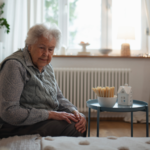
This is one of my favorite old-school habits. People in their 60s and 70s join clubs, attend gatherings, and commit to hobbies the way younger generations commit to charging cables.
They garden. They sew. They fish. They show up at community centers. They volunteer. They greet the same familiar faces every week.
These real-world communities give them:
- A sense of belonging.
- A reason to get out of bed.
- A support system during hard times.
Compare that with online communities younger people drift in and out of every few months. Ever wonder why older folks often seem less lonely? They build relationships the old-fashioned way: consistently.
7. Moving Their Bodies in Ordinary, Unglamorous Ways
Older adults stay active without obsessing over fitness trends. They walk. They clean. They garden. They stretch. They do chores that naturally move their bodies.
Younger generations chase intense workouts, fitness influencers, and gym aesthetics. They burn out fast. People in their 60s and 70s, though, stay active through daily life.
Their approach works because:
- Low-intensity movement adds up.
- Consistency beats intensity.
- Ordinary movement feels doable.
Whenever I see older adults walking together in the mornings, I think, “Maybe that’s the secret.” No pressure. No performance. Just movement built into life.
Ever wonder why they stay mobile longer than we expect? This is why.
8. Letting Time Pass Without Filling It With Noise
If you sit with an older person, you’ll notice something wild: they don’t freak out during quiet moments. They let silence exist. They let time breathe.
Younger people—myself included—tend to fill every second with noise: podcasts, playlists, YouTube, TikTok, notifications. Silence feels awkward. But older adults embrace it.
Quiet time helps them:

- Process emotions.
- Stay mentally grounded.
- Reduce stress naturally.
When I leave my phone in another room and sit outside for a few minutes, I feel my brain reset. Ever realize how rare silence has become—and how good it feels when you finally get some?
9. Holding Onto Old Manners: Saying Hello, Thank You, and I’m Sorry
People in their 60s and 70s value manners like they’re gold. They greet strangers. They hold doors. They apologize sincerely. They say thank you with intention.
To them, manners aren’t outdated—they’re the glue that holds society together.
Good manners create:
- Respectful interactions.
- Smoother conversations.
- Immediate human connection.
Younger generations often communicate in rushed, clipped ways because speed feels more important than warmth. But older adults slow down and make every small interaction feel human. FYI, that’s one habit I think we all desperately need to reclaim.
Ever notice how genuinely good it feels when someone looks you in the eye and says hello?
Final Thoughts
After watching the older people in my life stick to these habits, I’ve realized they hold onto them because they work. They keep them calmer, more connected, more grounded, and honestly—happier than a lot of tech-obsessed younger generations.
They talk in person.
They keep simple routines.
They cook real food.
They write things down.
They stay engaged with life instead of chasing constant stimulation.
Maybe the secret isn’t finding new ways to be happy—maybe it’s remembering the old ones.
If even one of these habits made you nod or think, “Yeah… I need more of that,” try adding it back into your daily life. You might surprise yourself with how good it feels.