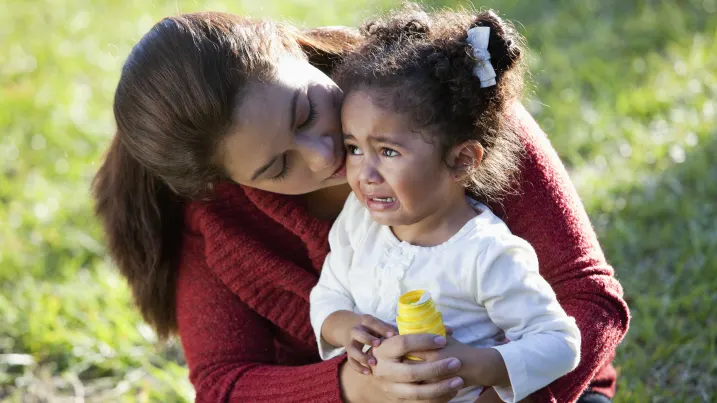
Ever told a kid “don’t cry” and suddenly realized you sounded exactly like that adult you swore you’d never become?
I used to drop “don’t cry” without a second thought, partly because I panicked and partly because I didn’t know what else to say. But once I learned how much emotional harm that tiny phrase could stack up over time, I switched things up—fast.
If you’re trying to raise confident, emotionally intelligent kids who don’t shut down every time they feel something real, these five phrases will become your new parenting BFFs.
And trust me, once you start using them, you’ll wonder how you ever survived the emotional chaos without them. FYI, they work ridiculously well. 🙂
Let’s get into the good stuff.
1. ‘It’s okay to cry, I’m here with you.’
Nothing melts a kid’s emotional panic faster than knowing they’re not alone. I started using this phrase after realizing that “don’t cry” basically tells a child, Hey, stop feeling things, it’s inconvenient for me.
Ever wondered why kids cry harder after hearing that? Because you just told them to shut off a natural response—good luck with that.
When you say “It’s okay to cry, I’m here with you,” you give them two things kids desperately crave: permission and presence.
Why this phrase works
- Kids panic when they feel big emotions and no one anchors them.
- You validate their experience without needing to fix anything instantly.
- You build trust—because you’re not running away from their tears like you’re late for an appointment.
I use this line even with older kids, because honestly, who doesn’t need this message sometimes? If someone had whispered this to me during my college breakdowns, I’d probably have cried more, but hey, at least I’d feel supported.
When to use it
Anytime your kid starts tearing up—even if the meltdown is over something as dramatic as the wrong color cup. Don’t judge. Their brain still files that as “life crisis.”
And yes, I know sitting with a crying kid can feel like running a marathon barefoot on Legos, but your future emotionally stable adult will thank you.
2. ‘I see your tears.’
Okay, this might sound like a line straight out of a poetic breakup movie, but it actually works wonders on kids. Why? Because children don’t just want you near them—they want you to notice them.

Before I learned this, I used to just sit there nodding like a malfunctioning bobblehead while a kid cried. But once I said “I see your tears”, the shift was immediate. They looked at me like, “Oh, so you actually get what’s happening here?”
Why this phrase hits different
- It shows attunement, which is a fancy psychology word meaning “I’m paying attention.”
- Kids stop escalating when they feel seen.
- You teach them to identify and express emotion rather than bury it.
Ever noticed how kids cry louder when they think you’re ignoring them? Yep. This fixes that.
How to use it naturally
You don’t need to stare at them dramatically and whisper it like a movie villain.
Keep it simple:
- “I see your tears. Do you want a hug?”
- “I see your tears. I’m right here.”
- “I see your tears. Take your time.”
This phrase works especially well when kids struggle to verbalize their emotions. Sometimes naming what you see helps them figure out what they feel.
3. ‘Your feelings make sense.’
This one is my personal favorite because I grew up hearing the classic:
“Stop crying, you’re overreacting.”
Because apparently having emotions was a sport I was doing wrong.
So when I started telling kids “Your feelings make sense,” I watched them transform—from confused and defensive to calm and open.
Why this phrase matters
Kids feel things intensely. Their world is small, so every disappointment fills it up like a giant neon sign.
By saying “Your feelings make sense,” you:
- Validate their emotional experience.
- Build emotional literacy.
- Teach them that feelings aren’t moral failures—they’re just information.
Ever wondered why adults struggle to understand their own emotions? Because most of us grew up hearing the opposite of this phrase.
How to expand this phrase
Sometimes I pair it with a little explanation:

- “Your feelings make sense. You wanted more time at the park.”
- “Your feelings make sense. You worked hard on that drawing.”
- “Your feelings make sense. That would upset anyone.”
Kids learn context from this. They start connecting emotions to events instead of feeling confused and overwhelmed.
4. ‘It’s natural to feel sad.’
Let’s be honest—some adults can’t even sit with sadness without trying to distract themselves with food, work, or scrolling TikTok for three hours. So imagine how hard it is for kids who’ve never been told sadness is normal.
When you say “It’s natural to feel sad,” you normalize what their body is already doing. You help them understand sadness isn’t dangerous, embarrassing, or something they need to hide under a blanket fort.
Why this phrase is crucial
- Kids often think something is wrong with them when they feel sad.
- You help them connect sadness with humanity, not weakness.
- You’re teaching emotional regulation without needing them to “cheer up” instantly.
Ever noticed how kids stop crying faster when you don’t rush them out of sadness? Yeah, emotions are weird like that.
Use this in tricky moments
This phrase works great when:
- They lose a game.
- A friend doesn’t share.
- A pet dies.
- You finish the snacks and they act like it’s the apocalypse.
Sadness is universal. Kids need to hear that you’re not afraid of it.
5. ‘Crying is one healthy way our bodies let feelings out.’
Ah yes, my favorite science-meets-empathy sentence. Kids love explanations—especially ones that make them feel normal instead of dramatic.
When you say “Crying is one healthy way our bodies let feelings out,” you give them a reason to stop feeling ashamed of their tears.
Why this phrase teaches emotional intelligence
- It gives a practical, non-shaming explanation.
- Kids learn that tears are a function, not a flaw.
- You connect emotion with biology, which helps them process feelings instead of fearing them.
IMO, emotional education should be its own school subject, right between math and “how to not lose your mind as an adult.”
Ways to phrase this naturally
- “Crying helps your body release big feelings.”
- “Crying is one healthy way our bodies let feelings out, and you’ll feel better soon.”
- “Crying is like your body’s reset button.”
Kids LOVE metaphors like this. It helps them understand feelings as events, not identities.

Why These Phrases Build Stronger Kids (and Saner Parents)
Let’s be real—managing a kid’s emotions feels like juggling fire while riding a unicycle. Some days you nail it. Other days you wonder if you should just lie on the floor and cry with them. Totally normal.
When you use phrases that validate instead of shut down emotions, you create:
- Confidence (because they know their feelings matter).
- Emotional intelligence (because they learn to understand and express emotions).
- Resilience (because they don’t run from feelings; they face them).
- Stronger connection (because you’re not minimizing their reality).
And honestly? It makes parenting easier. Kids who feel understood don’t escalate as much. They don’t spiral into screaming fits because you accidentally gave them the “wrong” banana. Yes, that has happened to me.
Quick Comparison: Old Phrases vs. New Phrases
Here’s a handy rundown you can screen-shot and save:
Old phrases (please retire these)
- “Don’t cry.”
- “Stop being dramatic.”
- “You’re fine.”
- “Big kids don’t cry.”
- “Calm down.”
New emotionally intelligent phrases
- “It’s okay to cry, I’m here with you.”
- “I see your tears.”
- “Your feelings make sense.”
- “It’s natural to feel sad.”
- “Crying is one healthy way our bodies let feelings out.”
See the difference? One set shuts kids down; the other set builds them up.
Final Thoughts
Raising emotionally intelligent kids isn’t about eliminating crying—it’s about responding to it in a way that builds strength instead of shame. Your kid won’t turn into a fearless, emotionally aware adult overnight (sorry, no magic wand for that), but these phrases create the foundation.
So next time the tears roll, don’t rush to stop them. Sit down, breathe, and say one of these powerful lines. You’re not just comforting a child—you’re shaping a future adult who speaks the language of feelings fluently.
And honestly? That’s a pretty amazing legacy to leave behind.
If you ever want a follow-up article on handling tantrums, managing emotional outbursts, or teaching kids self-regulation techniques, just say the word!