A large living room rug can make or break your seating area. I’ve rearranged sofas, swapped coffee tables, and even repainted walls, but nothing transforms a space faster than the right rug. Have you ever walked into a living room and instantly felt like everything just clicked? Nine times out of ten, the rug did the heavy lifting.
I learned this the hard way after buying a rug that looked amazing online but totally disappeared once I placed it under my sectional. Too small, wrong texture, zero impact. Since then, I’ve obsessed over large living room rug ideas that actually elevate seating areas, not just fill floor space. IMO, a rug should ground your furniture, guide the eye, and make the whole room feel intentional.
14 Gorgeous Large Living Room Rug Designs
So if you’re staring at your living room and thinking, “Something feels off… but what?”—this article is for you. Let’s talk through rug ideas that don’t just look good but work beautifully in real homes.
1. Use a Softly Textured Rug to Anchor Large Sectionals

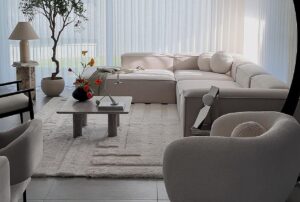
A massive, light beige textured rug with a subtle flagstone-style pattern works magic under a big U-shaped sectional. I love this approach because it grounds oversized seating without stealing attention. The soft texture adds depth, but the neutral tone keeps the space calm and breathable.
When you deal with a large sectional, scale matters—a lot. This kind of rug solves that problem by extending well beyond the sofa edges, which instantly makes the seating area feel cohesive. Have you noticed how smaller rugs make furniture look awkwardly crowded?
Why this works so well:
- The subtle pattern adds interest without visual clutter
- Light beige reflects light and keeps the room open
- Texture creates warmth without heavy color contrast
FYI, this type of rug shines in open-plan living rooms where you want definition without harsh boundaries.
2. Go Bold With Graphic Patterns for Visual Energy

That cream and olive green rug with concentric arches and a labyrinth-style pattern? Total showstopper. I recommend this when a living room feels flat or too safe. Bold patterns inject personality and movement, especially in neutral spaces.
I’ve used graphic rugs like this to turn a basic seating area into a conversation starter. The circular lines naturally draw the eye inward, which makes your sofa arrangement feel intentional instead of random. Ever wonder why some rooms feel dynamic even with simple furniture?
This style works best when:
- Your sofa and walls stay mostly neutral
- You want the rug to act as functional art
- The seating layout feels a bit too boxy
Just keep accessories minimal so the rug gets its moment.
3. Create Calm With a Monochromatic Sand-Tone Rug

A solid sand-colored, low-pile rug with subtle horizontal texture creates instant serenity. I’m a huge fan of this look when life already feels loud and chaotic. Monochromatic rugs calm the eye and unify large seating areas without distraction.
This rug works especially well in spaces where natural light does the talking. The gentle texture adds dimension, so the room never feels flat or boring. Have you noticed how calm rooms often rely on texture instead of color?
Why this rug elevates seating areas:
- Low pile keeps things sleek and modern
- Subtle texture adds quiet interest
- One-tone palettes make rooms feel larger
This is a safe choice—but in the best possible way.
4. Add Movement With Distressed Abstract Designs

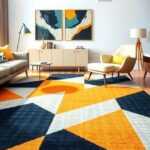
An ivory rug with distressed blue and grey streaks feels relaxed yet refined. I love how this style adds motion without overwhelming the seating area. The abstract pattern breaks up solid furniture and softens clean-lined sofas.
I once used a rug like this in a bright living room, and it instantly connected the sofa, curtains, and accent pillows. Have you ever struggled to tie colors together without matching everything exactly?
This type of rug helps because:
- Distressed patterns hide wear beautifully
- Abstract streaks feel casual and modern
- Soft blues and greys add depth without heaviness
It’s perfect if you want character without commitment to a bold pattern.
5. Choose Plaid Patterns for Warm, Grounded Spaces

Neutral plaid rugs with tan and brown lines feel timeless and grounded. Pair one with a leather sofa and a rustic coffee table, and the whole seating area suddenly feels intentional. Plaid brings structure without stiffness, which I really appreciate.
This style works especially well if your living room leans rustic, farmhouse, or transitional. The intersecting lines subtly define the seating zone without screaming for attention. Doesn’t it feel nice when a room feels cozy but still polished?
Plaid rugs shine when you want:
- A balance between casual and classic
- Something forgiving and easy to style
- A rug that ages well with time
This one’s a long-term win.
6. Ground Minimalist Rooms With Dark, Statement Rugs

A deep navy rug with gold geometric lines can completely transform a minimalist living room. I’ve seen white rooms feel cold until a rug like this steps in and anchors the seating area with confidence.
Dark rugs create contrast, which helps lighter furniture stand out. The gold lines add just enough luxury without feeling flashy. Have you noticed how minimalist spaces still need one bold element to feel finished?
Why this approach works:
- Dark tones visually ground floating furniture
- Metallic lines add subtle sophistication
- Patterns guide the eye through the seating layout
Just make sure the rug is large enough—small dark rugs can feel heavy instead of elegant.
7. Make It Cozy With a Plush Shaggy Rug

A high-pile grey shag rug instantly makes a living room feel inviting. I love how these rugs soften modern spaces and encourage people to relax. The texture alone makes the seating area feel warmer and more human.
This works beautifully in sunlit rooms with wood floors. The contrast between smooth and plush textures adds depth without extra decor. Who doesn’t love sinking their feet into a soft rug after a long day?
Best uses for shag rugs:
- Cozy, casual seating areas
- Family rooms and lounging spaces
- Homes that value comfort over formality
Just commit to regular vacuuming—it’s worth it.
8. Use a Neutral Herringbone Rug to Connect Mixed Seating

When you mix seating styles—like a patterned sofa and a solid sectional—you need something that visually calms the space. A large neutral herringbone rug does exactly that. I love how the subtle pattern adds interest without competing with bold furniture.
This type of rug works because it fills the entire seating zone, letting both sofas sit comfortably on it. That placement tells the eye, “Yes, this belongs together.” Have you noticed how rooms feel more relaxed when nothing looks like it’s floating?
Why this rug works so well:
- The herringbone pattern adds depth without visual noise
- Neutral tones balance patterned and solid furniture
- The large size unifies the seating area instantly
9. Go for a Flat-Weave Jute Rug for Natural Texture

Sometimes a living room needs texture more than color. A flat-weave jute rug brings that earthy, grounded feel without overpowering modern furniture. I’ve used jute rugs in spaces that felt too polished, and the difference surprised me.
This rug shines under wooden or outdoor-style sofas because it reinforces that natural vibe. It also works beautifully in homes where you want things to feel relaxed but still intentional. FYI, flat-weave rugs also handle foot traffic like a champ.
What makes this a smart choice:
- Adds organic texture without heaviness
- Keeps the space breathable and casual
- Ideal for modern, wood-forward seating setups
10. Create Soft Contrast with a Plush Geometric Rug

If your living room leans minimalist, texture becomes your best friend. A high-pile plush rug with carved geometric lines adds softness without clutter. I love how it makes a space feel cozy while staying modern.
This rug invites you to kick off your shoes and actually enjoy the room. It also creates contrast against clean-lined furniture and bright walls. Have you ever noticed how softness makes a room feel more welcoming instantly?
Why this rug elevates minimal spaces:
- High pile adds comfort and warmth
- Carved lines introduce subtle visual interest
- Keeps the look clean yet inviting
11. Add Subtle Pattern with a Textured Cream Rug

Not every rug needs bold contrast to stand out. A cream textured rug with a soft geometric pattern works beautifully in modern spaces where simplicity matters. I’ve used similar rugs when I wanted elegance without drama.
This kind of rug complements white or neutral sectionals instead of competing with them. The texture does the talking quietly, which feels refined. Doesn’t it feel good when a room looks calm but still thoughtful?
Best features to love here:
- Subtle pattern keeps things interesting
- Cream tones enhance light and openness
- Large size anchors minimalist seating
12. Choose a Faded Floral Rug for Light, Airy Rooms

Floral rugs don’t have to feel old-school. A faded vine-style floral rug adds softness and charm without overwhelming a modern living room. I especially love this look in bright spaces with neutral sofas.
The faded pattern keeps things relaxed and timeless. It also works well when you want a touch of personality without committing to bold color. Have you ever wanted your room to feel gentle but not boring?
Why this style feels so effortless:
- Soft florals add character subtly
- Light tones keep the room open
- Oversized fit grounds the seating area
13. Anchor a Blue Sofa with a Persian-Style Rug

A statement sofa deserves an equally strong foundation. A large Persian-style rug with a central medallion anchors a blue leather sofa beautifully. I’ve always loved how traditional rugs bring instant depth to modern furniture.
The key here lies in contrast. The ornate details balance the sleek leather, while the large scale keeps everything grounded. Doesn’t it feel satisfying when bold choices actually work together?
What makes this combo powerful:
- Traditional patterns add richness
- Blue accents tie into the sofa color
- Large size prevents visual imbalance
14. Elevate Symmetry with a Vintage-Style Statement Rug

If your living room features symmetry—matching chairs, a fireplace, or balanced layouts—a grand vintage-style rug completes the picture. I see this look and instantly think “designed with intention.”
This rug anchors the seating area while reinforcing balance and luxury. The muted blue and cream tones keep it elegant rather than flashy. IMO, this style works best when you want a room to feel timeless and polished.
Why this rug steals the show:
- Enhances symmetrical layouts
- Adds historic charm and depth
- Grounds furniture with confidence
Balancing Pattern, Texture, and Color Without Overthinking
I used to overanalyze rug choices until I simplified the process. I now focus on one main feature—pattern, texture, or color—and let everything else stay calm.
Ask yourself a simple question: What does my room need most right now? Warmth, contrast, or softness? Answering that makes rug shopping way less stressful.
How to Choose the Right Size for a Large Seating Area
Let’s talk size, because even the prettiest rug fails if it’s too small. A large living room rug should sit under all front legs of your seating furniture, minimum. I always size up when I’m unsure.
Here’s a quick guide:
- Sectionals need rugs that extend at least 12–18 inches beyond the sofa
- Coffee tables should sit fully on the rug
- Open layouts benefit from extra-wide rugs to define zones
When in doubt, bigger always looks more intentional.
Styling Tips That Make Large Rugs Look Expensive
Want your rug to look high-end without spending a fortune? Focus on styling. I’ve learned that layering textures and limiting color chaos makes a huge difference.
Try this:
- Match rug tones with throw pillows or curtains
- Keep furniture legs visible for a lighter look
- Let the rug lead, not compete, with decor choices
Small tweaks like these elevate the entire seating area fast.
Final Thoughts
At the end of the day, the right large living room rug ties your seating area together like nothing else. Whether you love bold patterns, calm neutrals, or plush textures, the key lies in choosing a rug that supports how you actually live.
Trust your instincts, think about comfort and scale, and don’t play it too safe. A rug isn’t just something you walk on—it’s the foundation of your living room story. So tell one that feels like you.