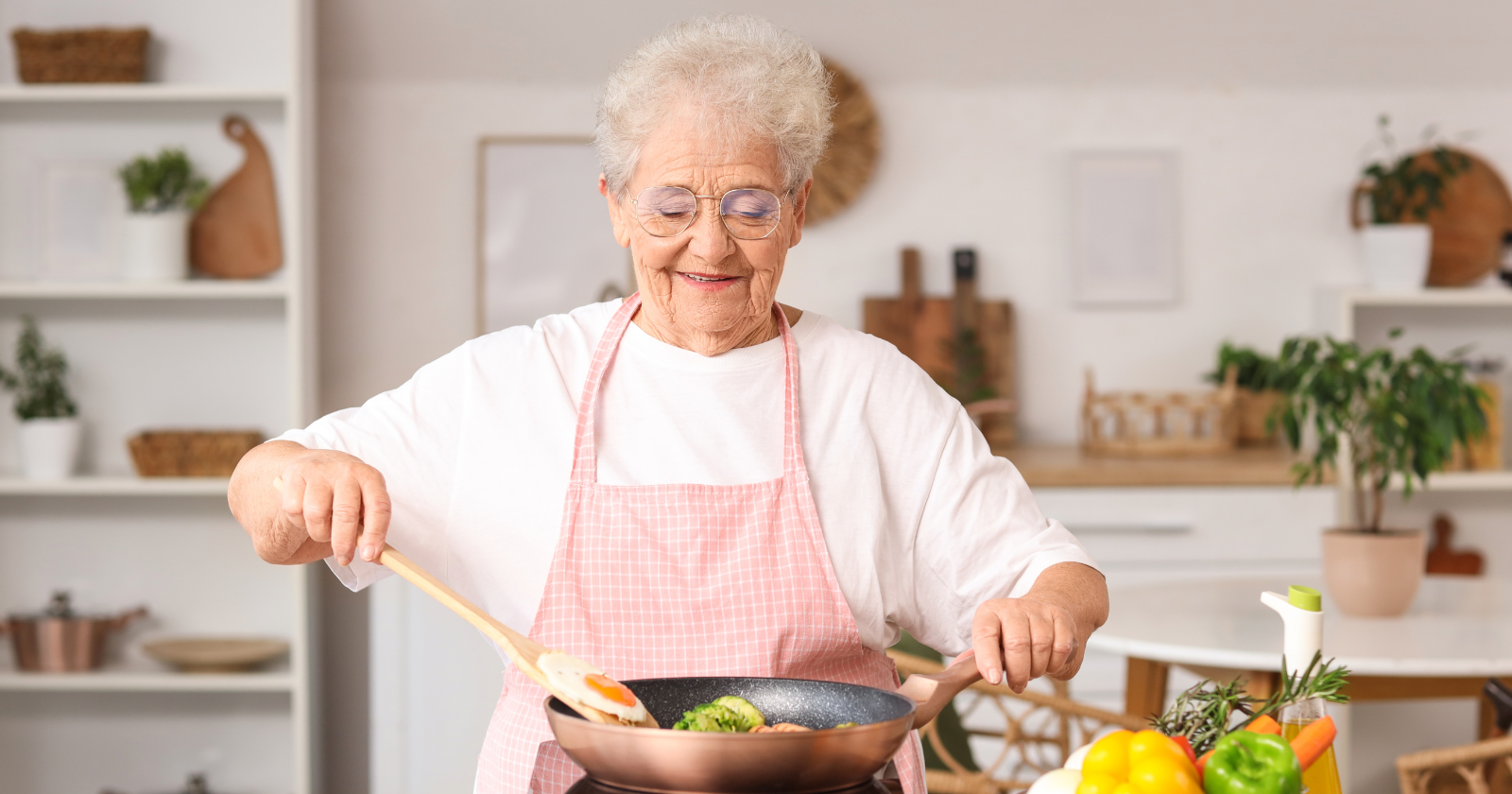
You know that moment when someone casually says they’re making breakfast, and you expect a quick bowl of cereal… but instead they start pulling out skillets, potatoes, oranges, and a dozen eggs? Yeah, that’s the classic boomer breakfast mindset.
For many boomers, breakfast wasn’t something you grabbed on the way out the door. Breakfast meant cooking—real cooking. It involved pans on the stove, fresh ingredients, and enough food to keep you full until dinner.
Younger generations often look at these meals and think, “Wait… you made all this before 9 a.m.?” Honestly, I get it. Some of these breakfasts feel like a full Sunday brunch project today.
But here’s the thing: these dishes still taste amazing, and many people secretly miss them. Let’s talk about eight classic breakfast staples boomers considered completely normal, even though they might feel like a big production today.
Bacon Cooked in a Cast Iron Skillet
Boomers didn’t toss bacon in the microwave or an air fryer. They cooked bacon the traditional way—slowly sizzling in a heavy cast iron skillet.
Cast iron changes the entire bacon experience. The pan heats evenly, which helps the bacon cook crispy without burning. The smell fills the kitchen, and suddenly everyone in the house drifts toward the stove like breakfast zombies.
I remember watching someone cook bacon this way, and it felt almost ceremonial. They would carefully flip each strip with tongs and keep a close eye on the heat. That patience always paid off.
Cooking bacon in cast iron also creates amazing flavor thanks to the rendered fat. That fat becomes liquid gold in the pan.
Boomers rarely wasted it. They often saved the grease for cooking other breakfast foods like:
- Eggs
- Hash browns
- Fried bread
- Pancakes
FYI, once you taste eggs cooked in bacon grease, plain eggs feel a little disappointing.
This style of cooking takes more time than modern shortcuts, but the results speak for themselves. Crispy edges, rich flavor, and perfectly cooked strips make cast iron bacon feel like the foundation of a real breakfast.
Eggs Made to Individual Preference
Boomers treated eggs like a custom breakfast order, even at home.
Nobody simply scrambled a big pan and called it a day. Instead, the cook asked everyone how they wanted their eggs. That meant juggling several cooking styles at once.
Common egg styles included:
- Sunny-side up
- Over easy
- Over medium
- Over hard
- Soft scrambled
- Hard scrambled
That sounds simple, but it actually requires serious timing. Each style demands a slightly different cooking technique.
The person cooking breakfast had to manage the heat, flip eggs carefully, and avoid breaking the yolk unless someone asked for it.
IMO, this part of the meal shows how much attention boomers gave to breakfast. They didn’t rush it.
Eggs also played a huge role in building the full plate. A typical breakfast plate often included:
- Eggs
- Bacon or sausage
- Toast
- Potatoes
When cooked correctly, eggs add richness, protein, and comfort to the meal. And honestly, nothing beats a perfectly runny yolk soaking into toast.
These days, people often grab a protein bar and head out the door. Boomers, on the other hand, saw eggs as a breakfast centerpiece worth doing right.
From-Scratch Pancakes With Real Maple Syrup
Boomers didn’t rely on pancake mix nearly as much as people do today. Instead, many families made pancakes completely from scratch.
That meant mixing ingredients like:

- Flour
- Eggs
- Milk
- Baking powder
- Sugar
- Butter
The batter came together in a mixing bowl, usually with a whisk or fork. No fancy tools required.
Cooking pancakes also required patience. The cook poured batter onto a hot griddle and watched for tiny bubbles forming on the surface. That moment told them it was time to flip.
Done correctly, the result was light, fluffy pancakes with golden edges.
And then came the real star of the show: real maple syrup.
Boomers loved the genuine stuff, not the artificially flavored syrup many people use today. Real maple syrup adds a deep, rich sweetness that complements pancakes perfectly.
Some families also added extras like:
- Butter melting on top
- Blueberries
- Bananas
- Chopped nuts
Making pancakes from scratch takes time, which explains why younger generations often save it for weekends. But boomers treated it like a totally normal breakfast option.
Fresh-Squeezed Orange Juice
Before store-bought cartons dominated the fridge, many households made fresh orange juice by hand.
That meant grabbing several oranges and squeezing them one by one using a manual juicer.
Sure, it required effort. But the flavor difference feels huge.
Fresh orange juice tastes:
- Brighter
- Sweeter
- More refreshing
You also control the pulp level, which sparks endless breakfast debates. Some people love pulp, while others avoid it completely.
I’ve watched someone squeeze a full pitcher of juice early in the morning, and it honestly feels impressive. It takes several oranges to fill a glass.
Boomers believed fresh juice offered real nutrition and natural energy to start the day.
The routine often looked like this:
- Wash the oranges
- Slice them in half
- Press them on the juicer
- Pour the juice into a pitcher
It’s simple but time-consuming.
Younger generations often grab bottled juice instead because it’s quick. Still, nothing beats the taste of juice squeezed minutes before drinking it.
Coffee Percolated on the Stove
Modern kitchens rely heavily on drip machines and pod systems. Boomers often preferred stovetop coffee percolators.
A percolator works differently from modern machines. Water sits at the bottom of the pot and heats until it rises through a tube and flows over coffee grounds.
The process repeats several times, which creates strong, bold coffee.
You can actually hear the coffee brewing. The pot makes a gentle bubbling sound that signals the coffee circulating through the grounds.
That sound often meant one thing in the morning: breakfast is almost ready.

Stovetop coffee takes longer than pressing a button, but many people swear it produces better flavor.
Boomers also liked the ritual involved:
- Filling the pot with water
- Adding coffee grounds to the basket
- Watching the percolation begin
The smell spreads through the house quickly.
Some families even debated the perfect brewing time. Leave it too long and the coffee gets bitter. Pull it early and the flavor stays smooth.
This old-school method turns coffee into part of the breakfast experience, not just a quick caffeine fix.
Toast Made in the Oven Broiler
Before pop-up toasters became common, many households made toast using the oven broiler.
This method sounds strange today, but it worked surprisingly well.
The process looked like this:
- Place slices of bread on a baking sheet
- Slide the sheet under the broiler
- Watch carefully while the bread browns
The key word here is watch carefully. Bread can go from golden to burnt very quickly under a broiler.
Boomers often flipped the slices halfway through to ensure even toasting on both sides.
The broiler produced toast that tasted slightly different from toaster toast. The heat created crisp edges and a slightly chewy center.
Once the bread came out, people topped it immediately with:
- Butter
- Jam
- Peanut butter
- Honey
The butter melted instantly, soaking into the bread.
This method required attention and timing, which explains why many people switched to toasters later. Still, broiler toast delivers a rustic flavor and texture that many people still love.
Homemade Hash Browns From Actual Potatoes
Frozen hash browns didn’t dominate breakfast tables decades ago. Boomers often made hash browns from fresh potatoes.
That meant starting with whole potatoes and preparing them by hand.
The process usually involved several steps:
- Peel the potatoes
- Grate them with a box grater
- Rinse away excess starch
- Dry the shreds thoroughly
Drying the potatoes matters a lot. Too much moisture prevents them from getting crispy.
Once ready, the cook placed the potatoes in a hot skillet with oil or bacon grease. Then came the waiting game.
Hash browns need time to develop that golden crust on the bottom.
Flipping them too early ruins the texture, so patience becomes essential.

When done right, homemade hash browns offer:
- Crunchy edges
- Soft centers
- Rich flavor
Honestly, fresh hash browns taste dramatically better than frozen ones.
Younger generations often skip this dish because it takes effort. Boomers, however, considered it a normal part of a full breakfast plate.
Sliced Grapefruit With a Serrated Spoon
Not every breakfast item involved grease and frying. Boomers also loved simple, fresh fruit, especially grapefruit.
Serving grapefruit often required a special tool: a serrated grapefruit spoon.
This spoon features tiny teeth along the edge. The design helps separate the fruit segments easily.
Preparing grapefruit usually looked like this:
- Slice the fruit in half
- Sprinkle a little sugar on top
- Use the serrated spoon to scoop each segment
The combination of tart citrus and sweetness made grapefruit feel refreshing.
Many people ate it as the first part of breakfast before the heavier foods arrived.
Grapefruit also carried a reputation as a healthy, energizing start to the day.
I always find the grapefruit spoon fascinating because it shows how seriously people took breakfast rituals. Someone actually designed a specific utensil just for this fruit.
Today, many younger people skip grapefruit entirely or eat fruit on the go.
Boomers, though, treated grapefruit as a calm, sit-down moment before the main breakfast feast.
Final Thoughts
When you look at this list, it’s easy to understand why younger generations might call it a full Sunday breakfast project.
Each dish requires time, attention, and real cooking. Boomers didn’t rely heavily on shortcuts, frozen foods, or microwave solutions.
Instead, they built breakfast around fresh ingredients and traditional cooking methods.
These classic breakfast habits included:
- Cast iron bacon
- Custom-cooked eggs
- From-scratch pancakes
- Fresh juice
- Percolated coffee
- Broiler toast
- Homemade hash browns
- Fresh grapefruit
Sure, modern life moves faster now. But sometimes slowing down and cooking breakfast the old-school way feels incredibly satisfying.
Who knows? The next time you have a free Sunday morning, you might try one of these boomer-style breakfast traditions yourself. Your kitchen will smell amazing, and your plate will look like a real breakfast again.