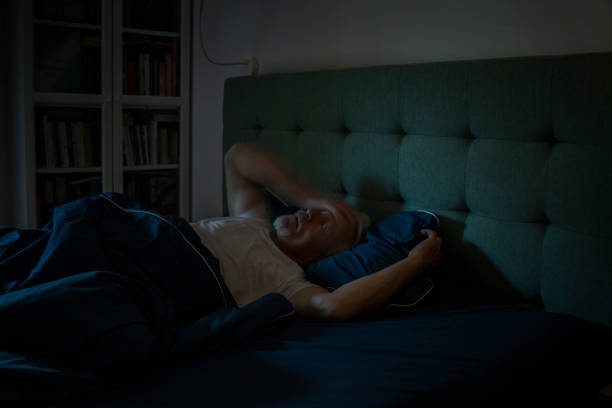
Imagine waking up tomorrow morning feeling truly rested. Imagine opening your eyes and realizing you slept through the entire night without waking up to rush to the bathroom or struggling to fall back asleep. Instead of feeling tired and groggy, you feel refreshed, energized, and ready to enjoy your day.
For many people over the age of 60, a full night of uninterrupted sleep can feel like a distant dream. Nights are often filled with tossing, turning, and multiple trips to the bathroom. But here’s the encouraging truth: it doesn’t have to be that way.
Your body is incredibly resilient and capable of improvement at any age. With the right evening routine, you can help your body relax, improve circulation, and signal to your nervous system that it is time for deep, restorative sleep.
In this guide, you’ll learn a gentle bedtime routine consisting of five simple movements you can do on your bed or in a sturdy chair. These exercises help reduce nighttime bathroom trips, release tension, and prepare your body for better sleep. At the end, you’ll also discover three powerful lifestyle habits—including the famous 3-2-1 sleep rule—that can dramatically improve your nights.
Let’s begin.
Why Many Older Adults Wake Up at Night
Before jumping into the exercises, it helps to understand why nighttime waking happens.
One major reason is fluid buildup in the legs during the day. Gravity naturally pulls fluids downward, especially if you spend long periods sitting or standing. By evening, this fluid collects in your lower legs and ankles.
When you lie down to sleep, that fluid travels back into circulation and eventually reaches your kidneys. Your kidneys then convert it into urine, which is why you suddenly feel the urge to use the bathroom in the middle of the night.
The good news is that simple movements done before bed can help move that fluid earlier in the evening—before you fall asleep.
Exercise 5: The Ankle Pump (Circulation Booster)
The ankle pump is one of the easiest and most effective movements for improving circulation in the legs.
Your calf muscles act like a “second heart.” Every time they contract, they help push blood and fluid back toward the upper body.
How to do it
Sit comfortably with your legs extended or lie down on your back.
- Point your toes away from your body, like pressing a gas pedal.
- Hold briefly and feel the stretch across the top of your foot.
- Pull your toes back toward your shin.
- Feel the stretch in your calf muscles.
Continue moving slowly:
Point → Flex → Point → Flex
Try doing this rhythmically for about one minute. Breathe naturally while you move.
Why it works
Each flex of the calf muscle helps pump fluid out of the lower legs. This allows your body to process the fluid earlier in the evening rather than during sleep.
Many people also notice warmth spreading through the legs during this movement. That’s a good sign that circulation is improving.
If you feel any cramping, simply pause, shake your leg gently, and continue with a smaller range of motion.
Exercise 4: The Single Knee Hug
The next exercise helps release tension in the lower back and hips—areas that often become tight with age.
Tension in the lower back can compress nerves connected to the pelvic region. When that happens, the body stays in a mild stress state, which interferes with deep sleep.
How to do it
- Lie comfortably on your back.
- Keep one leg straight on the bed.
- Slowly bring the other knee toward your chest.
- Hold your shin or the back of your thigh.
- Gently pull the knee closer to your chest.
Hold for a few seconds while breathing slowly.

Then release and switch legs.
Continue alternating sides slowly.
Benefits
This simple movement:
- Relieves pressure in the lower spine
- Loosens the hips
- Signals the nervous system to relax
Move slowly and imagine your body moving through water. There is no rush. The goal is gentle relaxation, not intense stretching.
If you have hip replacements or hip pain, simply move within a comfortable range.
Exercise 3: The Gentle Hamstring Glide
Hamstrings—the large muscles in the back of your thighs—often become tight after years of sitting.
When hamstrings tighten, they pull on the pelvis. This can place pressure on the bladder and surrounding structures.
Releasing these muscles can improve comfort and reduce nighttime bathroom urges.
How to do it
- Lie on your back.
- Bend your left knee with your foot flat on the bed.
- Lift your right leg upward.
- Hold the back of your thigh.
Now gently extend your heel toward the ceiling.
Hold briefly, then relax the knee again.
Repeat this gliding motion several times before switching legs.
Key tip
Don’t force the stretch. A slight bend in the knee is perfectly fine.
Think of it like oiling a rusty hinge. Each repetition allows the muscles to loosen gradually.
If your leg trembles slightly, that’s normal—it simply means the muscles are waking up.
Exercise 2: The Reclined Butterfly
Stress doesn’t only live in the shoulders or neck. Many people carry tension in the pelvic floor without even realizing it.
When these muscles remain tight, they can create the sensation that you need to urinate—even when your bladder isn’t full.
The reclined butterfly helps release that hidden tension.
How to do it
- Lie on your back.
- Bend your knees and bring the soles of your feet together.
- Allow your knees to fall open to the sides.
If the stretch feels intense, place pillows under your knees for support.
Then place your hands on your belly and focus on slow breathing.
What to focus on
As you breathe:
- Inhale slowly through your nose.
- Feel your belly rise.
- Exhale slowly and imagine tension leaving your hips.
Stay in this position for several breaths.

This posture encourages the body to shift from fight-or-flight mode into rest-and-digest mode, which is the state needed for deep sleep.
Exercise 1: Diaphragmatic Breathing With Leg Elevation
The final step combines circulation improvement with deep relaxation.
Elevating the legs allows gravity to move fluid out of the feet and ankles. When combined with slow breathing, it powerfully signals the body that bedtime is approaching.
How to do it
You can either:
- Rest your calves on two or three pillows, or
- Place your legs up against a wall.
Your feet should be slightly higher than your heart.
Now place:
- One hand on your chest
- One hand on your stomach
Breathing pattern
- Inhale through your nose for 4 seconds
- Hold for 2 seconds
- Exhale slowly through your mouth for 6 seconds
Your stomach should rise and fall while your chest stays relatively still.
Continue this breathing for 2–3 minutes.
Why it works
This breathing stimulates the vagus nerve, the body’s main relaxation pathway. It lowers stress hormones, slows the heart rate, and prepares the body for sleep.
The Powerful 3-2-1 Rule for Better Sleep
The exercises are only part of the solution. Your evening habits also play a major role in whether you sleep through the night.
One of the simplest and most effective systems is called the 3-2-1 sleep rule.
3 Hours Before Bed: Stop Eating
Digestion requires energy. Eating late forces your body to stay active when it should be winding down.
Late meals also increase body temperature and metabolism, both of which can disrupt sleep.
Try closing the kitchen three hours before bedtime.
2 Hours Before Bed: Stop Drinking Fluids
This step can significantly reduce nighttime bathroom trips.
Stopping fluids two hours before sleep gives your kidneys time to process liquids before you lie down.
If you need to take medication, a small sip of water is fine—but avoid full glasses of fluids.
If two hours feels difficult at first, start with one hour and gradually increase the gap.
1 Hour Before Bed: Do Your Exercises
Perform the routine you just learned about one hour before bedtime.
This timing allows your body to move fluid from the legs and process it before you fall asleep.

After the exercises, make one final trip to the bathroom before turning off the lights.
Create a Sleep-Friendly Environment
Your surroundings can either help or hurt your sleep.
During the last hour before bed, try creating a calm environment.
Dim the lights in your home and switch from bright overhead lighting to softer lamps with warm bulbs.
This signals to your brain that nighttime is approaching and encourages the production of melatonin, the hormone responsible for sleep.
Soft instrumental music, nature sounds, or gentle rain sounds can also help quiet racing thoughts.
Keep a Simple Sleep Diary
Another powerful habit is tracking your sleep patterns.
Use a small notebook and record things like:
- What time you went to bed
- What you ate for dinner
- Whether you exercised
- How well you slept
Over time, patterns will appear.
You may discover certain foods, drinks, or habits that worsen your sleep. You may also find routines that help you sleep deeply.
This awareness allows you to take control of your health instead of guessing what works.
Small Steps Lead to Big Improvements
You don’t have to implement everything perfectly on the first night.
Start small.
Maybe tonight you try the ankle pumps. Tomorrow you may add the breathing exercise. Next week you might experiment with the 3-2-1 rule.
Consistency matters more than perfection.
The fact that you’re looking for ways to improve your sleep already shows something important—you care about your health and your quality of life.
With patience and a gentle routine like this one, better sleep is absolutely possible.
And when better sleep arrives, so does more energy, better mood, and more joyful days ahead.