
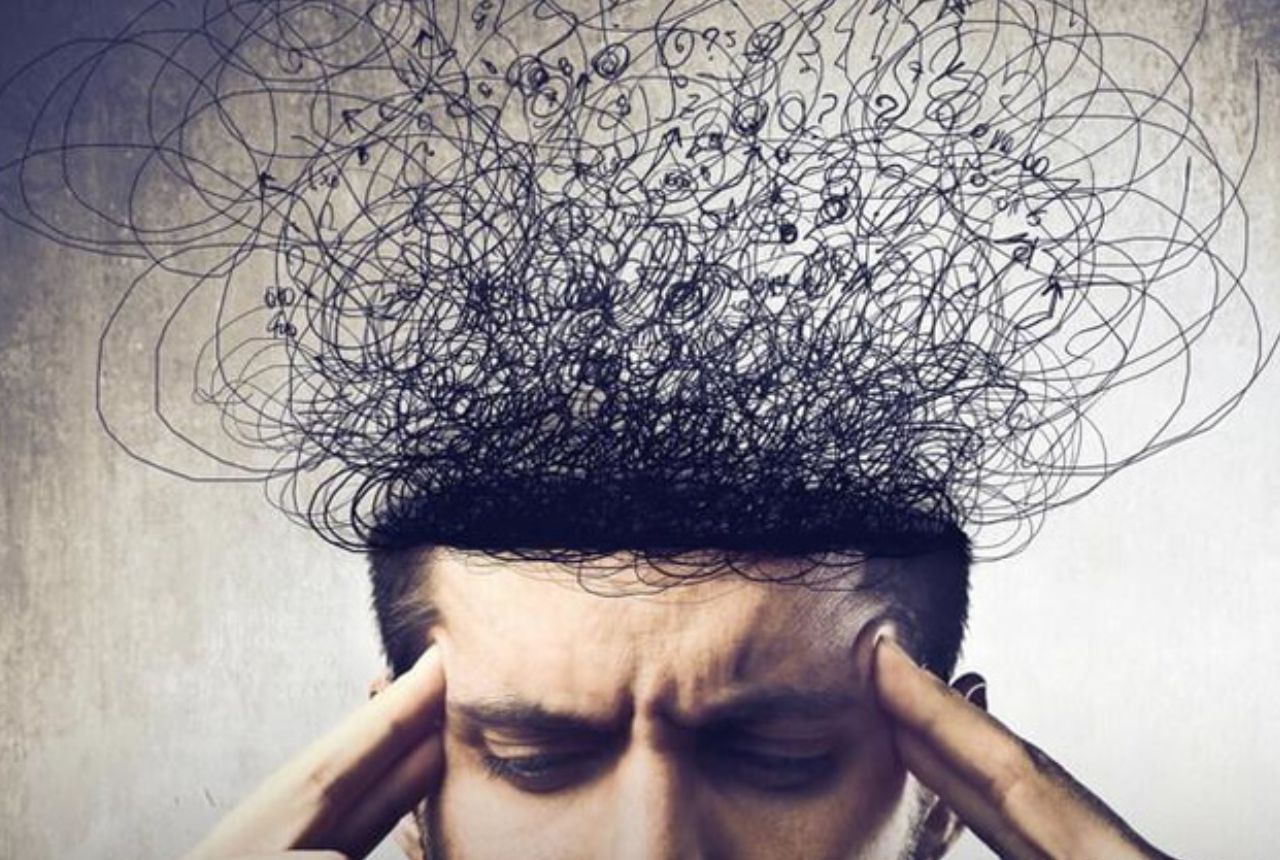
Some habits get brushed off as quirks.
Overthinking an old conversation. Checking the door one more time. Picking at your skin while zoning out. Needing constant reassurance from people you love.
Most of us have done something like this at some point.
But sometimes, what looks like a harmless personality trait or relatable habit can be something deeper. Sometimes it can be a sign your mind is under strain and trying to cope in ways you may not fully recognize.
That does not mean every habit is a disorder. It does mean some repeated patterns may deserve attention, especially when they begin causing distress, interfering with daily life, or leaving you feeling trapped.
Many behaviors people joke about online can be connected to anxiety, obsessive patterns, trauma responses, depression, ADHD, or stress overload.
Recognizing them is not about self-diagnosing.
It is about self-awareness.
Here are 10 behaviors that can look surprisingly normal on the surface, but may sometimes be signals your brain is asking for support.
1. Compulsive Skin Picking
You may be sitting on the couch watching TV and suddenly realize you have spent twenty minutes picking at a tiny bump on your arm.
Maybe you tell yourself it is just nervous fidgeting.
But repetitive skin picking can sometimes point to excoriation disorder, a condition related to body-focused repetitive behaviors.
People often describe a strange cycle:
- Tension or anxiety builds
- The urge to pick becomes overwhelming
- Picking brings temporary relief
- Shame or regret follows afterward
For some, it can lead to bleeding, scarring, and emotional distress.
It is often linked with:
- Anxiety
- OCD tendencies
- Trauma
- Perfectionism
- Stress regulation struggles
Sometimes the behavior is less about the skin and more about trying to gain control when life feels overwhelming.
What looks like “just a bad habit” may actually be your nervous system looking for relief.
2. Rumination
It is 2 a.m. You are replaying something awkward you said three years ago. Or mentally rehearsing conversations that have not even happened.
Again, And again, And again. That can be rumination.
Rumination is not productive reflection, it is repetitive mental looping. Instead of solving problems, it keeps you stuck in them.
It often sounds like:
- Why did I say that?
- What if I messed everything up?
- What if this goes wrong tomorrow?
- I should have done something different.
The mind convinces you one more replay will finally fix the problem, but it rarely does. It often just increases distress.
Persistent rumination is commonly linked to:
- Anxiety
- Depression
- Chronic stress
- Perfectionism
Healthy reflection leads somewhere, rumination often circles the same pain endlessly.
If your mind feels like it keeps dragging you into the past or forcing you into imagined futures, that may be more than overthinking.
3. Emotional Numbness
Sometimes struggling does not look dramatic. Sometimes it looks like feeling almost nothing at all.
Someone shares exciting news and you barely react, a loved one is hurting and you feel strangely disconnected.
Things you used to care about leave you cold. This may be emotional blunting or emotional numbness.
People often mistake it for being calm, stoic, or “unbothered.” But internally it can feel terrifying.
Like living behind glass, like watching life instead of participating in it.
It can sometimes show up alongside:
- Depression
- PTSD
- Burnout
- Chronic stress
- Certain medications
People experiencing emotional blunting often do not feel relaxed.
They feel cut off. And that is very different.
4. Catastrophic Thinking: Turning Sparks Into Wildfires
Your friend has not texted back, instead of assuming they are busy, your mind jumps to:

They are upset with me, I ruined the friendship, everyone leaves eventually, I am going to end up alone.
That is not ordinary concern, that is catastrophic thinking. It takes a small uncertainty and turns it into disaster.
Examples can look like:
- A headache means something is seriously wrong
- One mistake at work means getting fired
- A disagreement means a relationship is doomed
Your mind treats possibilities as certainties, and usually the worst possible certainties.
This pattern is common in anxiety disorders because the brain’s threat detection system starts sounding alarms where no immediate danger exists.
YOU MAY LIKE


It is exhausting living as if every spark is a fire.
5. Rejection Sensitivity
A friend replies with a short text, Your chest tightens.
Did I do something wrong? Are they mad? Do they secretly dislike me?
Even mild criticism can feel devastating.
This may reflect rejection sensitivity, sometimes discussed alongside ADHD and emotional regulation struggles.
People experiencing this often feel rejection intensely, even when rejection is imagined or minor.
It may lead to:
- People pleasing
- Fear of criticism
- Over-apologizing
- Avoiding risks
- Extreme perfectionism
Even neutral situations can feel emotionally painful.
A distracted expression, A delayed reply, A brief comment. All can feel deeply personal.
That is not being overly dramatic, That can be a nervous system reacting intensely to perceived social threat.
6. Rituals That Feel Impossible to Ignore
Everyone double-checks things sometimes. But what if leaving the house means checking the lock seven times.
Exactly seven. Lose count and you must start over.
Or objects must be arranged a certain way or you feel overwhelming dread.
This may go beyond preference, It may point toward obsessive-compulsive patterns. With OCD, rituals are often not about liking order.
They are attempts to reduce unbearable anxiety.
Common examples may include:
- Repeated checking
- Compulsive washing
- Mental counting rituals
- Repeating phrases internally
- Symmetry or ordering compulsions
The ritual may bring relief, but usually only briefly.
Then the anxiety returns demanding the cycle continue.
That can consume enormous mental energy.
And from the outside, many people never realize how much distress sits beneath the behavior.
7. When Joy Feels Flat
Imagine eating your favorite meal and it tastes empty. Listening to music you once loved and feeling nothing. Being with friends and sensing no spark at all.
This can be anhedonia, difficulty experiencing pleasure.
It is one of the more overlooked signs of depression, and one of the loneliest. Because people often assume sadness is the only face of depression.
Sometimes depression looks more like absence.
Absence of excitement. Absence of interest. Absence of joy.
It can affect:
Social Pleasure
Being around people feels draining instead of fulfilling.
Physical Pleasure
Food, touch, music, hobbies feel muted.

Motivation
Things you once looked forward to feel pointless.
This is not laziness or ingratitude.
It can be a genuine signal something deeper needs care.
8. Constant Reassurance Seeking
“Are you upset with me?”
“Are you sure?”
“Really sure?”
Reassurance can feel comforting, But when you need it over and over and it never fully sticks, it may be part of an anxiety loop.
This often works like this:
Anxiety creates doubt.
You seek reassurance.
Relief comes briefly.
Then doubt returns.
So you ask again.
And again.
This can happen around:
- Relationships
- Health fears
- Guilt
- Moral worries
- Decisions
The goal often is certainty, but absolute certainty is impossible. That is why reassurance can become addictive.
It soothes without solving, and the more the brain depends on it, the stronger the cycle often grows.
9. Decision Paralysis
Most people have stared at Netflix too long, but decision paralysis goes beyond indecision.
It can make ordinary choices feel overwhelming. What should be simple becomes exhausting.
Examples:
- Spending ages choosing food
- Avoiding major life decisions for years
- Researching endlessly but never acting
- Freezing because every option feels dangerous
Often the mind becomes obsessed with avoiding the wrong choice. But because perfect certainty does not exist, no choice feels safe.
So you stall, or freeze, or avoid. And life gets smaller.
This can show up with:
- Anxiety
- ADHD
- Perfectionism
- OCD tendencies
- Burnout
Sometimes “I’m bad at making decisions” is really “my nervous system treats decisions like threats.”
That is very different.
10. Impulsivity That Creates Regret
Impulsiveness can sound fun.
Spontaneous.
Adventurous.
Sometimes it is, but sometimes it is something much harder.
Like:
- Spending money you do not have
- Making major decisions in seconds
- Acting in anger and regretting it immediately
- Binge behaviors you feel unable to stop
In those cases, the issue may be impulse control.
The pause between urge and action feels missing, and consequences arrive later. Often painfully.

This can show up in different ways, including in ADHD, mood disorders, trauma responses, or impulse control difficulties.
The pattern often looks like:
Act first.
Regret second.
Repeat.
And over time that can damage finances, health, relationships, and self-trust.
Calling it “just being spontaneous” may hide real distress.
When These Patterns Might Mean It Is Time to Pay Attention
Everyone experiences some of these occasionally. That alone does not mean something is wrong.
What matters is whether the pattern is:
- Frequent
- Distressing
- Hard to control
- Affecting work, relationships, or daily life
- Leaving you feeling trapped or exhausted
That is when it may be worth paying closer attention.
Patterns become important when they stop being occasional experiences and start becoming the lens through which life is lived.
Awareness Is Not a Label, It Is a Starting Point.
It can be unsettling to recognize yourself in some of these. But awareness is not a verdict, It is information.
Sometimes what we call quirks are coping patterns. Sometimes what we call personality is pain wearing everyday clothes.
And noticing that can be powerful. Because what is recognized can be understood.
And what is understood can be addressed.
Final Thoughts
Some of the behaviors people laugh off as normal may sometimes be signs the mind is under more pressure than it can comfortably carry.
Compulsive skin picking.
Rumination.
Emotional numbness.
Catastrophic thinking.
Rejection sensitivity.
Rituals.
Loss of joy.
Reassurance loops.
Decision paralysis.
Impulsivity.
These are not character flaws.
They may be signals.
And signals are worth listening to.
If any of these felt familiar, take it as an invitation to get curious about what your mind may be trying to communicate.
Sometimes the first step toward feeling better is simply recognizing that what you thought was “just how I am” might actually be something asking for care.