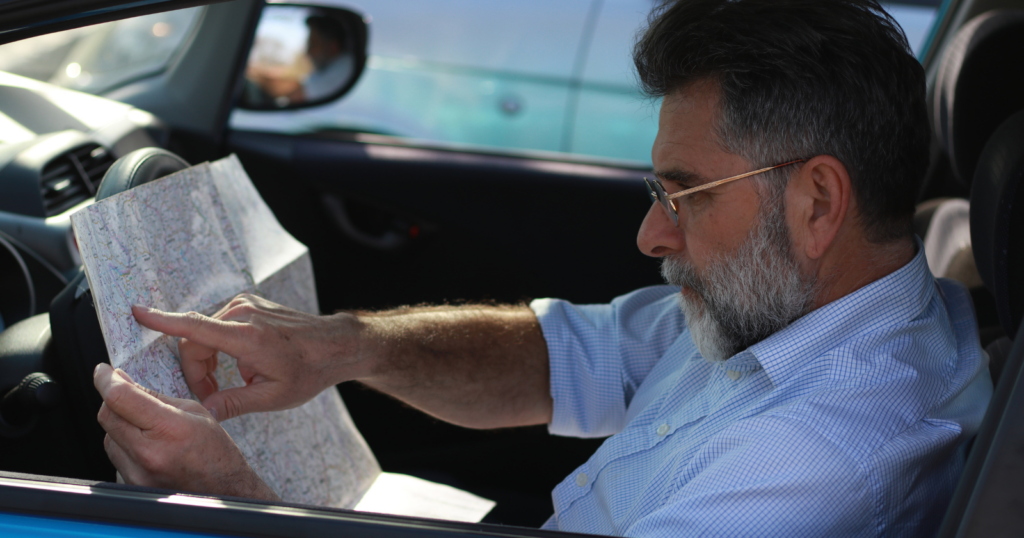
I smile every time I see someone unfold printed directions in their car. While everyone else taps a screen and waits for a robotic voice to talk back, this person already knows where they’re going. Psychology backs this up too.
People who print directions instead of using GPS often share specific personality traits, and yes, many of them sit comfortably over 50.
This isn’t about being “old school” for the sake of it. It’s about how people think, plan, and interact with the world. If you’ve ever preferred a paper map, printed route, or handwritten notes, you’ll probably recognize yourself here.
Let’s talk about the nine traits psychology links to people who still print directions, and why these traits quietly give them an edge.
1) They trust preparation more than convenience
People who print directions believe in preparing ahead instead of reacting later. They don’t wait until a problem shows up before thinking it through. They sit down, review the route, and mentally walk through the journey before they even start the engine.
I’ve noticed this trait shows up in other parts of their lives too. They plan appointments early, pack the night before trips, and keep backups just in case. They don’t reject convenience outright, but they refuse to rely on it blindly.
Printed directions give them:
- Control over the entire journey
- A clear sense of what comes next
- Fewer surprises on the road
IMO, this mindset reduces stress more than people realize. When tech fails, they don’t panic. They already expected that possibility. Psychology links this trait to higher self-efficacy, meaning they trust their own ability to handle situations.
Convenience feels nice, but preparation feels safer to them. That choice shapes how they navigate more than just roads.
2) They like to understand the whole picture
People who print directions don’t just want turn-by-turn commands. They want context. They want to know how roads connect, where landmarks sit, and how the route flows overall.
GPS breaks trips into tiny instructions. Printed directions show the journey as a complete system. That difference matters a lot to these individuals.
They usually:
- Review the route before leaving
- Notice major intersections and backup roads
- Visualize the destination in relation to their starting point
Psychology links this habit to systems thinking. These people prefer understanding how parts work together instead of following isolated steps. I’ve seen this trait show up in work, hobbies, and even conversations.
FYI, this approach often leads to better decision-making. When traffic pops up or plans change, they adjust quickly because they already understand alternatives. GPS users often freeze when the app recalculates. Printed-direction users already expected detours.
They don’t chase shortcuts. They chase understanding.
3) They are less comfortable outsourcing thinking
This trait sounds blunt, but it fits. People who print directions prefer thinking for themselves. They don’t feel comfortable handing over decision-making to an algorithm, even a helpful one.

They don’t hate technology. They just don’t want tech thinking for them.
Printed directions allow them to:
- Interpret information themselves
- Decide when to change routes
- Stay mentally engaged during travel
Psychology connects this habit to cognitive autonomy. These individuals feel confident processing information without constant prompts. They trust their judgment and enjoy using it.
I’ve noticed they often question suggestions instead of accepting them automatically. They ask “why” more than “what.” That habit keeps their minds sharp.
GPS tells you where to go. Printed directions invite you to think about why you’re going there. That difference explains a lot about how these people approach life.
4) They have a stronger sense of spatial awareness
Printed-direction users often know where they are at all times. They track distance, direction, and landmarks naturally. This isn’t accidental.
When someone reads printed directions, they actively map the environment in their head. They don’t just react. They observe.
This habit strengthens:
- Mental mapping skills
- Directional awareness
- Memory tied to physical space
Psychologists link this behavior to enhanced spatial cognition, which tends to decline less with age in people who keep using it. GPS weakens this skill because it removes the need to orient yourself.
I’ve ridden with people like this, and they always know which way we’re heading—even in unfamiliar places. They remember roads years later. They recognize patterns quickly.
They don’t need a blue dot to tell them where they stand. They already feel it.
5) They are more patient with inconvenience
Let’s be real—printing directions takes effort. You need a printer, paper, and time. People who choose this option tolerate inconvenience better than most.
They don’t rush everything. They accept small delays if the outcome feels more reliable. Psychology links this trait to higher frustration tolerance, which helps people manage stress long-term.
These individuals:
- Stay calm when plans slow down
- Don’t panic over minor obstacles
- Handle unexpected changes with composure
I’ve noticed they rarely complain about small hassles. They already planned for imperfection. When traffic hits, they shrug and adjust.

This patience often carries into relationships, work, and problem-solving. They don’t expect instant results. They value steady progress instead.
Convenience saves seconds. Patience saves sanity.
6) They value independence over efficiency
Printed directions scream independence. These people prioritize self-reliance over speed. They don’t mind arriving a few minutes later if it means staying in control.
Efficiency matters, but independence matters more.
They often:
- Choose methods they understand fully
- Avoid over-reliance on tools
- Trust themselves to figure things out
Psychology associates this with internal locus of control, which means they believe their actions shape outcomes more than external systems do.
I respect this trait deeply. When tech glitches, these people keep moving. When systems change, they adapt without waiting for updates.
They don’t need the fastest route. They need their route.
7) They are more present while traveling
Printed directions keep people mentally engaged. They notice scenery, signs, and surroundings. GPS users often tune out while waiting for instructions.
Presence changes the experience entirely.
Printed-direction users:
- Stay alert during the journey
- Recognize landmarks naturally
- Feel connected to the route
Psychologists link this to mindful attention, which improves memory and reduces mental fatigue. I’ve experienced this firsthand. Trips feel richer when I actively navigate instead of following a voice.
These people don’t just arrive somewhere. They experience getting there.
That presence often spills into daily life too. They listen carefully. They observe details others miss. They move with intention.
8) They are comfortable doing things their own way
Printed directions feel personal. These individuals don’t chase trends. They choose what works for them, even if everyone else chooses differently.

They don’t need validation. They trust experience over popularity.
This trait shows up as:
- Confidence in personal habits
- Resistance to peer pressure
- Comfort standing apart from the crowd
Psychology calls this self-congruence, which links strongly to long-term satisfaction. People feel happier when actions match values.
I admire this mindset. It reflects quiet confidence, not stubbornness. They adapt when necessary, but they don’t abandon proven habits just to fit in.
They don’t follow the crowd. They follow what makes sense.
9) They respect older systems that still work
Printed directions represent respect for tools that stood the test of time. These people don’t discard systems just because something newer exists.
They believe function matters more than novelty.
They often:
- Stick with reliable methods
- Appreciate simplicity
- Avoid unnecessary complexity
Psychology links this to pragmatic thinking, which values results over trends. I’ve seen this approach prevent plenty of headaches.
They don’t reject innovation. They simply ask one question first: Does this actually work better?
If the answer stays no, they keep the paper.
Final thoughts
People who print directions instead of using GPS don’t resist progress. They prioritize control, awareness, and independence. Psychology shows these traits appear more often in people over 50, but age doesn’t define them—mindset does.
If you see yourself here, own it. These traits reflect experience, confidence, and clarity. And honestly, next time your GPS drops signal, you’ll probably feel pretty smug.