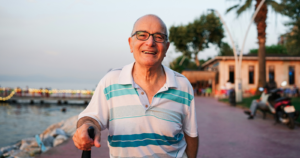
Getting older doesn’t automatically mean getting weaker, slower, or tired all the time.
I’ve met people in their 70s who run circles around folks decades younger, and honestly, it’s impressive every single time. Aging well isn’t about pretending you’re still 30.
It’s about keeping your strength, energy, curiosity, and confidence intact as the years roll on.
If you’re in your 70s and you can do the nine things below without feeling wiped out, you’re doing something very right. IMO, these aren’t small wins.
They’re big signals that your body and mind have aged exceptionally well. Let’s talk about each one like friends chatting over coffee.
Walking for an hour without needing frequent breaks
If you can walk for a full hour without constantly scouting for benches, your cardiovascular health deserves serious respect. Walking looks simple, but it quietly tests your heart, lungs, joints, balance, and stamina all at once. When those systems cooperate, walking feels smooth instead of exhausting.
I’ve noticed that people who walk regularly don’t just move better; they move with confidence. Their steps feel steady, not rushed or cautious. They don’t obsess over every crack in the pavement, and that says a lot about balance and muscle strength.
An hour-long walk also shows mental endurance. You stay present, alert, and comfortable the entire time. You don’t count minutes until you can stop. FYI, that mental ease matters just as much as physical ability.
Here’s what this ability usually signals:
- Strong heart and lung function
- Healthy joints with manageable stiffness
- Good balance and coordination
- Consistent energy levels
If you still enjoy walking without dreading it, you’ve built a solid foundation for aging well.
Playing actively with grandchildren
This one separates “still capable” from truly thriving. Kids don’t play gently, and grandchildren definitely don’t adjust their energy levels for adults. If you can keep up without feeling wrecked afterward, you’re winning.
Active play demands quick movements, bending, lifting, and reacting on the spot. You squat, reach, twist, and laugh all at once. Your body responds without hesitation, and your mind stays sharp enough to follow the chaos.
I’ve seen grandparents who run mini obstacle courses in the backyard, then get up like nothing happened. That kind of mobility doesn’t come from luck. It comes from maintaining strength and flexibility over time.
This ability usually reflects:
- Strong core and leg muscles
- Healthy joints with good range of motion
- Fast reaction time
- Mental sharpness and patience
If playtime energizes you instead of draining you, you’ve aged exceptionally well, no question.

Carrying groceries without struggling
Carrying groceries looks mundane, but it quietly tests functional strength, which matters more than gym numbers ever will. Lifting bags, balancing weight, and walking while holding them requires coordination and muscle control.
If you don’t need to split groceries into tiny loads or rest halfway, your grip strength alone deserves applause. Grip strength strongly connects to overall health and longevity, and it often declines faster than people realize.
You also need a strong back and stable posture. When those muscles support you properly, carrying groceries feels normal instead of risky.
Strong grocery-carrying skills usually mean:
- Healthy grip and forearm strength
- Stable core and lower back
- Good posture and balance
- Confidence in everyday movement
When daily tasks stay easy, independence stays intact, and that’s huge in your 70s.
Climbing two flights of stairs without getting winded
Stairs don’t lie. If you can climb two flights without stopping to catch your breath, your heart and lungs still work like a well-tuned engine. This kind of stamina doesn’t fake itself.
Stair climbing demands more oxygen than flat walking. Your legs push harder, your breathing deepens, and your heart responds quickly. When everything syncs smoothly, you feel challenged but not overwhelmed.
I’ve always noticed that people who handle stairs well don’t rush them, but they also don’t fear them. They trust their bodies to handle the effort.
This ability often points to:
- Strong cardiovascular endurance
- Powerful leg muscles
- Efficient breathing patterns
- Healthy weight distribution
If stairs don’t intimidate you, you’ve kept your physical resilience intact.
Standing through an entire concert or event
Standing for hours tests patience, posture, and endurance all at once. If you can stand through a concert, ceremony, or event without desperately searching for a seat, your body handles sustained stress well.
Your legs support you the entire time, but your core does the real work. Strong posture prevents fatigue from creeping in early. Weak posture, on the other hand, makes standing feel unbearable fast.
Mental endurance matters here too. You stay engaged, present, and comfortable instead of counting minutes until it’s over.

Standing stamina usually reflects:
- Strong leg and core muscles
- Healthy circulation
- Good posture habits
- Mental resilience
When long events feel enjoyable instead of exhausting, you’ve aged with strength and grace.
Gardening for a full afternoon
Gardening looks peaceful, but anyone who does it knows it’s serious work. You bend, kneel, lift, pull, and stay on your feet for hours. If you can garden all afternoon and still feel good afterward, your body handles sustained physical effort well.
Gardening demands flexibility just as much as strength. You move through different positions constantly, and stiff joints make that miserable fast. Smooth movement means your joints still cooperate.
I love how gardeners often forget time while working. That mental flow shows endurance without strain, which is a great sign.
This ability often signals:
- Flexible hips, knees, and shoulders
- Good lower-body strength
- Steady energy levels
- Joint resilience
If gardening refreshes you instead of draining you, your body still works beautifully.
Learning new technology without mental exhaustion
Physical health gets attention, but mental stamina matters just as much. If you can learn new apps, devices, or systems without feeling mentally fried, your brain has aged exceptionally well.
Technology demands focus, memory, and problem-solving. You process new information, make mistakes, adjust, and keep going. When your brain handles that smoothly, you stay curious instead of frustrated.
I’ve noticed that people who embrace learning stay mentally flexible. They don’t say, “I’m too old for this.” They say, “Let me figure this out.”
This mental strength usually reflects:
- Healthy cognitive processing
- Good attention span
- Emotional patience
- Curiosity-driven mindset
Staying mentally sharp keeps life interesting, not overwhelming.
Socializing for an entire evening
If you can socialize for hours without needing to escape early, your emotional and mental energy stays strong. Conversations, noise, and social cues demand focus and adaptability.
Social stamina involves listening, responding, and staying engaged. When fatigue hits early, people withdraw. When energy stays steady, connection feels natural.

I’ve always admired people who leave social events feeling energized instead of drained. That balance shows emotional resilience and comfort in social settings.
This ability often points to:
- Strong emotional regulation
- Mental endurance
- Good hearing and focus
- Comfort with social dynamics
Enjoying long evenings with people keeps life rich and meaningful.
Planning and executing multi-day trips
Multi-day trips test everything at once: planning, physical endurance, adaptability, and stress management. If you can plan a trip and enjoy it without feeling overwhelmed, you’ve aged exceptionally well.
Travel involves walking, decision-making, problem-solving, and staying flexible when plans change. You manage logistics without panic and enjoy the experience instead of just surviving it.
I’ve noticed seasoned travelers in their 70s move with calm confidence. They adapt, laugh things off, and keep going.
This ability usually reflects:
- Strong physical stamina
- Clear thinking under pressure
- Emotional flexibility
- Confidence in unfamiliar situations
When travel excites you more than it stresses you, you’ve preserved real independence.
Final thoughts
Aging well doesn’t mean avoiding effort. It means meeting effort without fear or exhaustion. If you’re in your 70s and these nine things don’t wear you out, you’ve built a life that supports strength, curiosity, and resilience.
Take a moment to appreciate that. Not everyone gets there, and it doesn’t happen by accident. If this list describes you, keep doing whatever you’re doing. And if it doesn’t yet, see it as motivation, not judgment.
Strong aging isn’t about age. It’s about how you show up to life, one step, laugh, and adventure at a time.