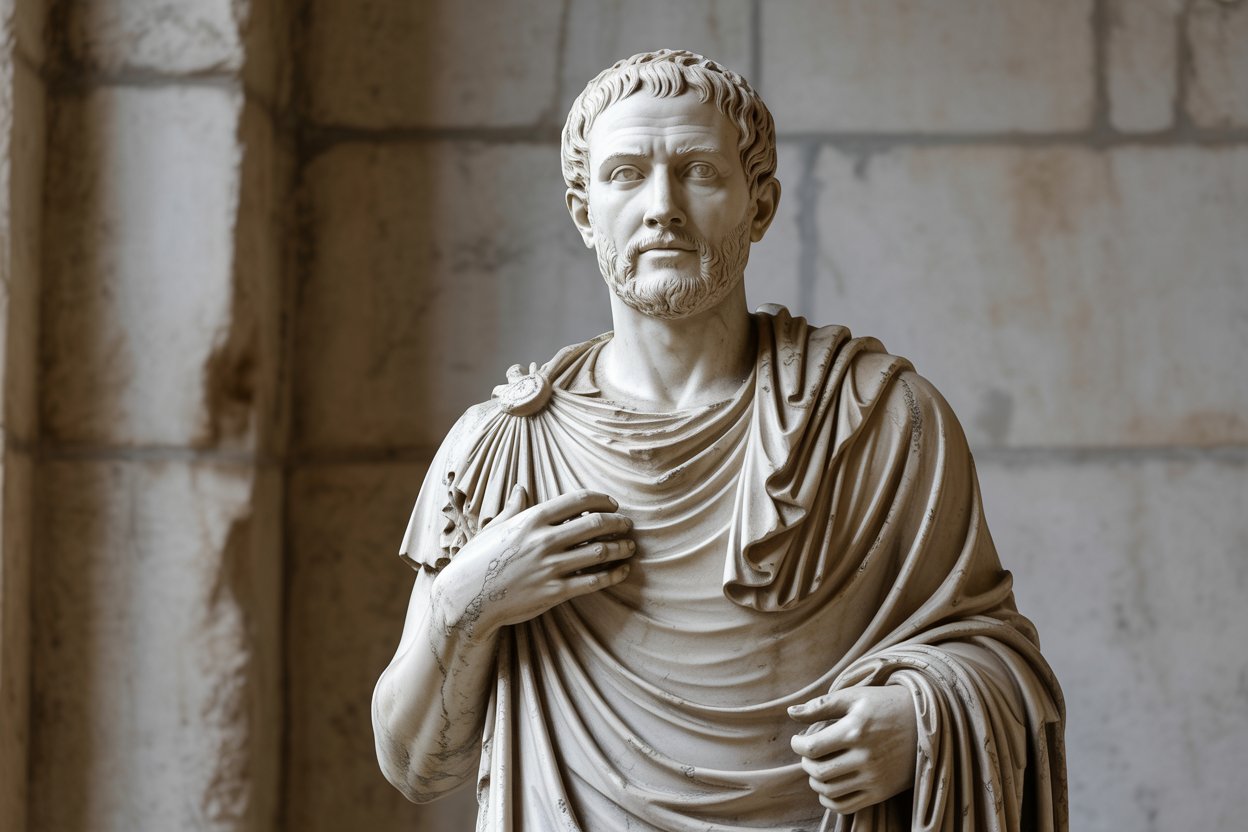
Have you ever feel like discipline is this impossible mountain you keep trying to climb, only to slide back down? Exactly how I use to feel…
I used to think self-discipline meant waking up at 5 a.m., doing 50 push-ups, and meditating like a monk every day. Spoiler: that didn’t last long.
Then I stumbled into Stoicism—and it changed the game for me. Stoic philosophy isn’t just some old-school, dusty book stuff; it’s surprisingly practical for anyone wanting to master self-discipline. IMO, the beauty of Stoicism is it doesn’t ask you to control everything in life—it teaches you to control what really matters. Let’s talk about how you can actually put that into practice.
1. Control What Is Actually Yours
Here’s the first mind-blower from Stoicism: you can’t control the world, only yourself. Sounds simple, but most of us spend a ridiculous amount of energy stressing over things we literally have zero influence on. Traffic, the weather, other people’s opinions—you name it. FYI, obsessing over them won’t help you build self-discipline.
In Stoic terms, everything external is “indifferent.” Your focus should be on your thoughts, choices, and actions, because that’s where your real power lies. For example, I used to get worked up when my boss sent last-minute requests. Then I realized I can’t control them, but I can control my reaction. That simple mindset shift helped me stay calm, efficient, and in control of myself.
Some ways I practice this daily:
- Morning reflection: I jot down what I can control vs. what I can’t. This tiny habit keeps me grounded.
- Mindful pause: When annoyed or stressed, I take a 3-second pause and ask, “Can I fix this, or is it out of my hands?”
- Focus on action: Instead of complaining, I channel energy into actionable steps—like finishing a task or learning a new skill.
The takeaway: stop wasting energy on the uncontrollable. Mastering this is the foundation of Stoic self-discipline.
2. Govern Desire, Not Circumstances
Next up: desires are sneaky little beasts. Stoicism teaches that your true challenge isn’t life’s events—it’s how badly you want things that might not even happen. Think about it: craving a promotion, obsessing over social media likes, or needing approval from others—these are all desires that can hijack your focus and discipline.

Stoics like Epictetus say: “Don’t demand that events happen as you wish, but wish them to happen as they do.” IMO, that’s basically a guide to emotional resilience and self-discipline. By aligning your desires with reality, you stop constantly fighting life.
Here’s how I keep my desires in check:
- Prioritize needs over wants: I separate what I truly need for growth vs. what’s just a fleeting craving.
- Delay gratification: I intentionally practice waiting—like skipping a snack now to feel proud later.
- Redefine success: Instead of obsessing over external outcomes, I focus on doing my best work consistently.
The bottom line: you control your wants, not the world. Nail this, and you’re basically building an unshakable foundation for Stoic self-discipline.
3. Use Reason as Your Command Center
Here’s a big one: let reason, not emotion, guide you. Stoicism isn’t about suppressing feelings—it’s about letting your rational mind steer your choices. IMO, this is a total game-changer for anyone struggling with self-discipline.
Whenever I feel lazy or tempted to procrastinate, I ask myself: “Does this choice align with my long-term goals or just my immediate comfort?” That’s using reason as a command center. It forces you to pause before acting, rather than reacting impulsively.
Some practical ways to strengthen this mental muscle:
- Daily journaling: I write down decisions I made emotionally vs. rationally. Seeing patterns helps me correct course.
- Pre-commit to actions: For example, I decide the night before what I’ll work on tomorrow. This reduces the chances of emotional derailment.
- Mindful breathing: Even 30 seconds of focusing on breath before reacting helps me respond thoughtfully instead of impulsively.
By training your brain to prioritize logic, you’re not just avoiding mistakes—you’re cultivating the kind of self-discipline that sticks.

4. Train Through Voluntary Discomfort
Stoics loved a little suffering—not for drama, but for growth. Here’s the deal: self-discipline grows when you step out of comfort. Skipping your morning coffee, taking a cold shower, fasting, or running that extra mile—these small challenges build resilience.
FYI, this is called “voluntary discomfort,” and it’s surprisingly effective. I used to avoid cold showers at all costs. Then I tried it for a week—tough at first—but afterward, I felt more in control of my impulses overall. Little sacrifices like this compound.
Some ways to practice discomfort for self-discipline:
- Cold exposure: Start with 10 seconds of a cold shower. Gradually increase.
- Digital detox: Skip social media for a few hours or a day. Notice how your attention sharpens.
- Physical challenge: Push your limits in workouts, hikes, or even walking instead of driving.
The key takeaway: growth happens when you voluntarily face discomfort. Every small “tough choice” reinforces your ability to resist temptation and strengthen Stoic self-discipline.
5. Anchor Discipline to Identity
Finally, here’s the secret sauce: make discipline part of who you are, not just something you do. Stoics believed in living according to virtue, meaning your actions naturally reflect your inner values. IMO, this approach beats relying on motivation or willpower alone.
For instance, instead of saying, “I have to wake up early,” say, “I am an early riser.” The shift is subtle but huge. It reframes self-discipline from a chore to a natural extension of your identity.

Here’s how I anchor discipline to identity:
- Affirm core values: Write statements like, “I am consistent, focused, and resilient.” Repeat daily.
- Start small: Pick one habit that aligns with your identity, like journaling or exercising. Make it non-negotiable.
- Celebrate alignment: When your actions match your identity, pause and acknowledge it. It reinforces the behavior.
Bottom line: discipline sticks when it’s part of who you are. This is the final step in truly mastering Stoic self-discipline.
Wrapping It Up
So there you have it—a practical roadmap for mastering the art of self-discipline according to Stoicism. To recap:
- Control what’s yours—your thoughts, choices, and actions.
- Govern desire—want what aligns with reality, not fleeting cravings.
- Use reason as your command center—let logic guide your decisions.
- Train through voluntary discomfort—face small challenges for big growth.
- Anchor discipline to identity—make it part of who you are.
IMO, Stoicism makes self-discipline feel less like a grind and more like a lifestyle. Try applying just one of these principles this week—you might be surprised how much control you can reclaim. And hey, if you end up taking a cold shower or journaling, I won’t judge.
Remember: discipline isn’t about perfection—it’s about consistent effort aligned with your values. That’s the essence of Stoic self-discipline, and trust me, it works