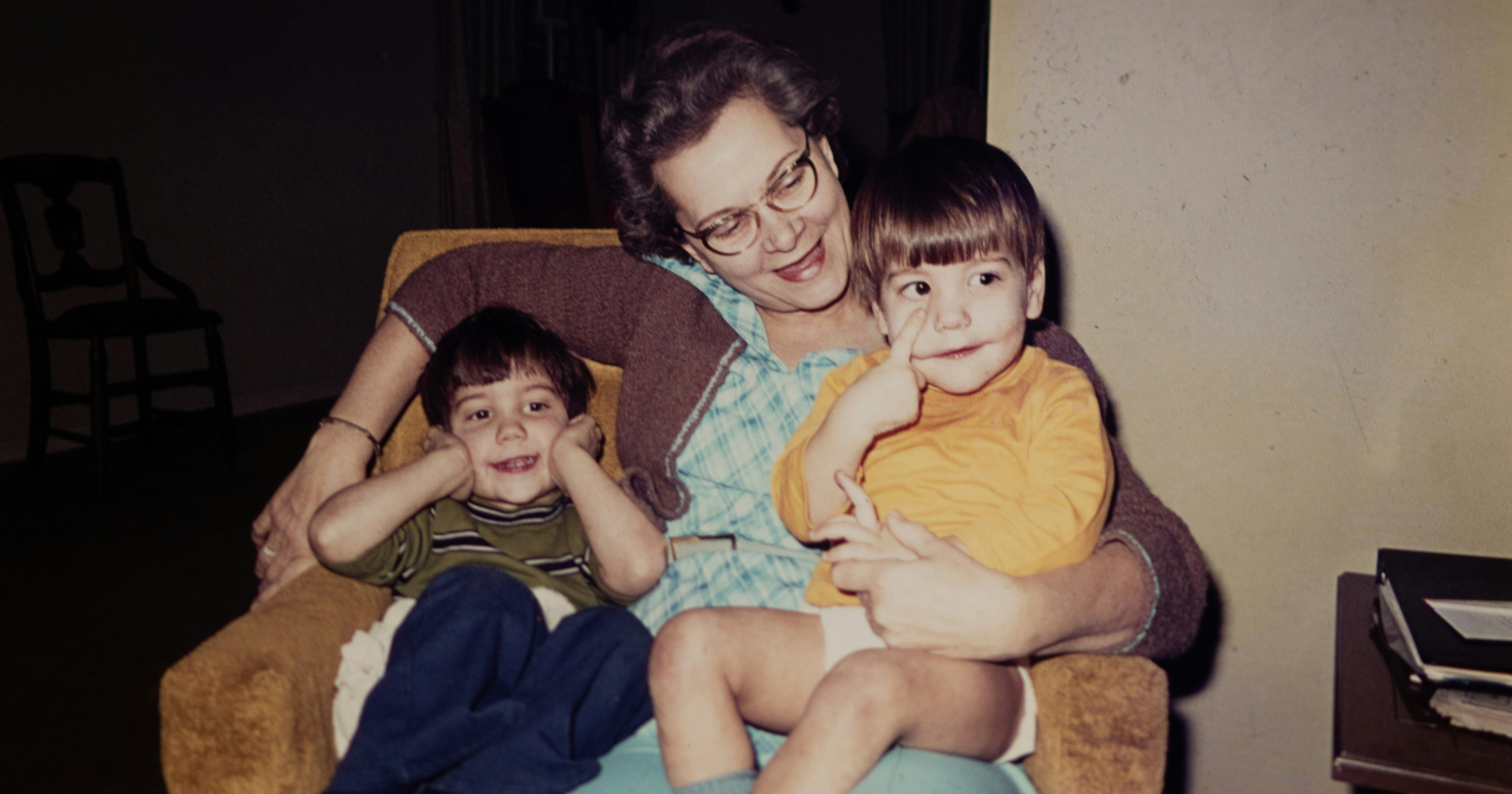
Picture this for a second. No smartphones. No tablets. No streaming. Just a bunch of kids, a bike with questionable brakes, and an entire afternoon to figure out what to do.
That was everyday life for kids growing up in the 1960s and 70s, and honestly, it built a kind of toughness that feels rare today. Those kids didn’t grow up with endless convenience. They learned survival skills the slow, practical way—through experience, mistakes, and a lot of creativity.
I’ve always found this generation fascinating. The lessons they picked up weren’t taught in fancy programs or self-help books. Life itself acted as the classroom.
And those lessons created a generation known for resilience, independence, and problem-solving skills.
Let’s talk about nine survival lessons the 1960s and 70s quietly taught kids, and why they helped shape one of the toughest generations in modern history.
1. How to Entertain Ourselves Without Screens
Kids in the 1960s and 70s mastered something that feels almost like a superpower today: entertaining themselves without screens.
They didn’t rely on apps or algorithms to cure boredom. Instead, boredom acted like a spark that forced creativity into action.
A random afternoon might turn into:
- Building a treehouse
- Inventing backyard games
- Riding bikes around the neighborhood
- Creating imaginary adventures with friends
Kids learned to use imagination as entertainment, and that skill built strong mental flexibility.
When I talk with older relatives about their childhood, they always mention how time seemed endless. They didn’t scroll through content. They created their own experiences.
That habit built several powerful life skills:
- Creativity
- Problem-solving
- Self-reliance
- Focus
Today, many people panic when boredom hits. Back then, boredom meant opportunity.
IMO, that simple difference explains a lot about why the generation raised in the 60s and 70s developed such strong mental resilience and independence.
2. The Art of Fixing Things Instead of Replacing Them
If something broke in the 1960s or 70s, people didn’t rush to replace it. They fixed it.
Kids grew up watching parents repair everyday items, and eventually they joined in. They learned how things worked by getting their hands dirty.
Common household repair lessons included:
- Fixing bicycles
- Repairing radios or appliances
- Patching clothes
- Hammering nails or repairing furniture
This hands-on experience built a deep sense of self-sufficiency.
Instead of thinking, “I need a new one,” kids learned to ask:
“How do I repair this?”
That mindset encouraged curiosity and practical thinking.
I’ve noticed something interesting when talking to people from that era. They don’t fear mechanical problems the way many people do today. They trust themselves to figure things out.
And honestly, that confidence comes from years of practical problem-solving during childhood.
FYI, that kind of mindset doesn’t just save money. It builds a lifelong belief that most problems have solutions if you’re willing to try.
3. Independence Started Early and Built Gradually
Parents in the 60s and 70s believed something simple but powerful: kids needed independence to grow strong.
That independence started early.
Children walked to school alone. They ran errands for neighbors. They explored their neighborhoods with friends.
No one tracked their location with GPS.

Instead, parents gave them clear rules and clear boundaries, then trusted them to handle responsibility.
A typical childhood included tasks like:
- Walking or biking to school
- Buying groceries from local stores
- Taking care of younger siblings
- Managing their own free time
Each small responsibility strengthened decision-making skills.
Kids didn’t grow up waiting for instructions every minute. They learned how to navigate real life on their own.
That gradual independence built confidence.
When you grow up solving small problems every day, you develop the belief that you can handle bigger challenges later in life.
And honestly, that belief shaped the strong mindset we often associate with the 1960s and 70s generation.
4. Community Was Our Safety Net
Neighborhoods worked differently during the 60s and 70s.
People knew each other. Parents watched out for all the kids on the block. If someone made a mistake, the entire neighborhood noticed.
This created a powerful sense of community.
Kids understood something important: they belonged to a network of people who cared about them.
That network looked like this:
- Neighbors who stepped in during emergencies
- Local shop owners who knew kids by name
- Friends’ parents who enforced the same rules
- Older kids who looked out for younger ones
This system created both freedom and accountability.
Kids could explore the neighborhood, but they also knew someone always kept an eye on things.
That kind of environment taught cooperation, respect, and trust.
When challenges appeared, people relied on each other instead of facing problems alone.
Those early experiences helped build the strong social resilience that defined the generation.
5. Playing Outside Until Dark Was Non-Negotiable
Kids in the 1960s and 70s spent enormous amounts of time outdoors.
Going outside wasn’t optional. It was simply what kids did after school.
From morning until sunset, they filled their days with activities like:
- Climbing trees
- Riding bikes for miles
- Playing pickup sports
- Exploring woods and empty fields
These adventures came with risks, but those risks taught important lessons.
Kids learned:
- How to assess danger
- How to solve problems quickly
- How to cooperate with others
Physical play also built endurance and confidence.
When you fall off a bike, you get back up. When a game goes wrong, you adjust the rules.
Those small moments of challenge trained kids to handle setbacks without panic.
And let’s be honest… the phrase “be home before dark” created a natural daily deadline.

That simple rule taught kids time awareness, responsibility, and independence.
6. Money Lessons Came Through Actual Experience
Kids growing up in the 60s and 70s didn’t learn about money through apps or financial videos.
They learned through real-world experience.
Parents often encouraged kids to earn their own spending money through simple jobs.
Common childhood hustles included:
- Delivering newspapers
- Mowing lawns
- Babysitting
- Helping neighbors with chores
These early jobs taught powerful lessons.
Kids learned how hard work translated into real income. They also discovered how quickly money disappeared when they spent it carelessly.
That experience built financial awareness and discipline.
When you spend an entire Saturday mowing lawns for a few dollars, you think carefully before buying candy or toys.
I always admire that system because it teaches responsibility naturally.
Kids didn’t hear lectures about budgeting. They experienced it firsthand.
7. Disappointment Was a Teacher, Not a Tragedy
Modern culture often tries to shield kids from disappointment.
The 1960s and 70s worked differently.
Kids lost games. They failed tests. They didn’t always get picked for teams.
And nobody rushed to soften the blow.
Instead, those moments acted as powerful teachers.
Children learned important truths like:
- Life doesn’t always feel fair
- Effort doesn’t guarantee success
- Failure creates opportunities to improve
Those lessons built emotional strength.
Instead of avoiding challenges, kids learned to push through setbacks.
I’ve noticed something interesting about people raised during that era. They rarely panic when things go wrong.
They simply adjust, regroup, and keep moving.
That mindset developed early because disappointment acted as training, not trauma.
8. We Learned to Wait Without Losing Our Minds
Waiting used to be a normal part of life.
Kids in the 60s and 70s waited for everything:
- Saturday morning cartoons
- Letters from friends
- New music releases
- Holiday gifts
Nothing happened instantly.

This constant waiting built something modern life rarely encourages: patience.
When you wait days or weeks for something exciting, anticipation grows. The reward feels bigger when it finally arrives.
Kids also learned how to occupy their minds during quiet moments.
They read books. They daydreamed. They played games with friends.
That ability to tolerate boredom strengthened emotional stability.
Today, instant gratification dominates daily life.
Back then, patience acted like a built-in training program for mental resilience.
9. Chores Weren’t Optional or Rewarded
In many households during the 1960s and 70s, chores came with a simple rule.
Everyone helped because everyone lived there.
Kids didn’t receive rewards for basic responsibilities.
Daily tasks included:
- Washing dishes
- Cleaning bedrooms
- Taking out trash
- Helping with yard work
These chores taught something essential.
Responsibility isn’t always exciting, but it still matters.
Children learned that family life depends on teamwork.
Completing chores also built discipline and work ethic.
When kids consistently handled responsibilities at home, they developed habits that carried into school, work, and adulthood.
That routine quietly prepared them for real life.
No rewards required.
Conclusion
The childhood experiences of the 1960s and 70s generation created something powerful: resilience.
Kids learned how to solve problems, manage disappointment, and entertain themselves without constant stimulation.
The lessons that shaped this tough generation included:
- Creativity without screens
- Fixing instead of replacing
- Early independence
- Strong community support
- Outdoor exploration
- Hands-on money lessons
- Learning from disappointment
- Patience through waiting
- Responsibility through chores
None of these lessons came from complicated systems. Life simply required them.
And honestly, those everyday experiences built a generation that could adapt, improvise, and push forward through challenges.
Maybe we can still borrow a few of those lessons today.