I once stood behind a man at the grocery store while he wrote a check. The line moved slowly, and I felt that familiar modern impatience creeping in. But then I noticed something else. He looked calm, focused, and completely present, while the rest of us kept checking our phones like nervous squirrels.
That moment stuck with me.
People over 60 don’t do things slowly because they can’t keep up. They do things slowly because they understand something the rest of us forgot: speed always takes something away. It takes attention. It takes meaning. Sometimes, it takes connection.
Let’s talk about eight everyday things people over 60 still do the slow way—and why their approach might actually make life better.
1) Writing checks at the grocery store
Most people tap a card or phone and leave in seconds. People over 60 often pull out a checkbook, write carefully, and hand it to the cashier. That process takes longer, but it forces them to stay mentally engaged with their money.
When someone writes a check, they see the amount, write the numbers, and record the expense. They stay fully aware of where their money goes. That awareness builds stronger financial discipline over time.
I noticed this with my uncle. He writes every expense in his check register. He never wonders where his money went at the end of the month. Meanwhile, I sometimes scroll through my banking app trying to figure out why my balance dropped.
Writing checks protects important habits like:
- Financial awareness
- Intentional spending
- Memory engagement
- Personal responsibility
Digital payments remove friction, but they also remove awareness. People over 60 understand that friction sometimes protects you.
They don’t avoid technology. They protect their relationship with their money.
2) Calling instead of texting for important conversations
Texting feels convenient. Calling feels personal.
People over 60 pick up the phone when something matters. They don’t rely on emojis or short replies. They want to hear tone, emotion, and sincerity.
A phone call communicates things text never can. You hear pauses. You hear warmth. You hear concern. Voice carries emotional weight that text strips away.
I learned this lesson the hard way. I once texted someone an apology, and they replied with “It’s fine.” That message felt cold. Later, I called them, and the conversation completely changed the situation. The voice created understanding.
Texting works well for quick updates. But older adults understand when conversations need more.
They call when they want to:
- Resolve conflict
- Show care
- Express sympathy
- Strengthen relationships
Platforms like WhatsApp and texting apps make communication faster. But faster doesn’t always mean better.
People over 60 choose depth over speed.
IMO, that choice keeps relationships stronger.
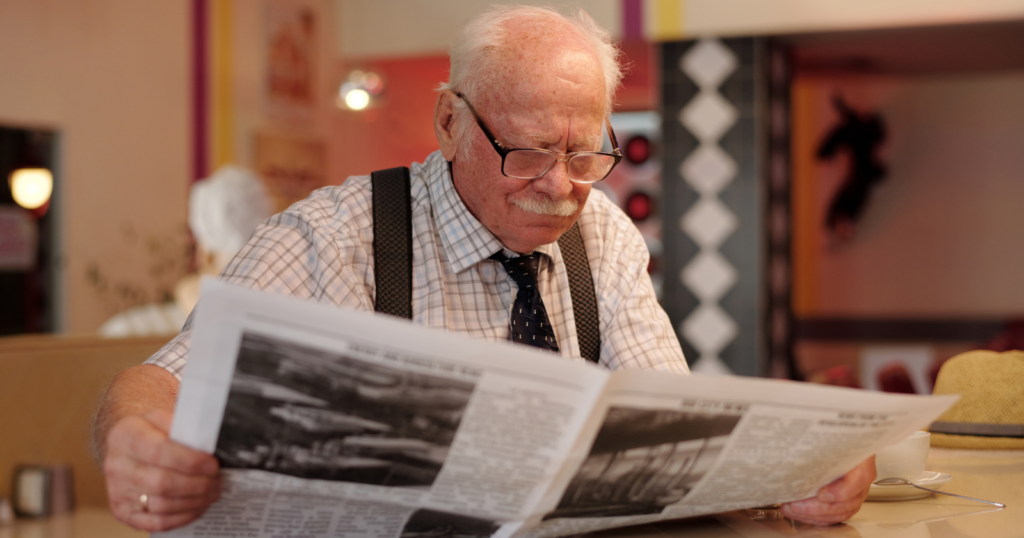
3) Reading physical newspapers with morning coffee
Many people scroll headlines on their phones for 30 seconds and move on. People over 60 sit down with a physical newspaper and actually read.

That habit creates focus.
When someone reads a physical paper like The New York Times, they avoid distractions. They don’t jump between notifications, messages, and videos. They stay in one place mentally.
Physical reading improves:
- Attention span
- Information retention
- Critical thinking
- Mental calm
I’ve tried both methods. When I scroll news on my phone, I forget most of it. When I read a printed article, I remember it for days.
People over 60 understand something powerful. Your brain values information more when you slow down to receive it.
They don’t consume information. They experience it.
That difference changes how deeply knowledge sticks.
4) Shopping in actual stores
Online shopping wins on convenience. Physical shopping wins on awareness.
People over 60 still visit stores because they want to see, touch, and evaluate items themselves. They trust their senses more than a product photo.
Online shopping removes important signals like:
- Physical quality
- True size and fit
- Material feel
- Immediate satisfaction
I once ordered a chair online that looked perfect in photos. When it arrived, it felt cheap and uncomfortable. That experience taught me why older adults trust physical stores.
Shopping in person also creates human interaction. A simple conversation with a cashier or store employee adds social connection to daily life.
Organizations like AARP often highlight how small social interactions improve emotional well-being in older adults.
People over 60 don’t just shop. They stay connected to the real world.
They understand that convenience sometimes isolates you.
5) Handwriting letters and thank you notes
Handwritten notes feel rare today. That rarity makes them powerful.
When someone writes a letter by hand, they invest time, effort, and thought. The recipient feels that effort immediately.
A text message says, “I remembered.”
A handwritten letter says, “You mattered enough for my time.”

I still remember the last handwritten note someone gave me. I kept it. I never kept a text message that long.
Handwriting strengthens:
- Emotional connection
- Memory retention
- Personal expression
- Authentic communication
Typing feels efficient. Writing feels human.
Older adults understand that handwriting slows thinking in a good way. It forces intention. It creates meaning.
FYI, the emotional impact of handwritten words lasts far longer than digital messages.
6) Keeping physical photo albums
Most people store thousands of photos on their phones. They rarely revisit them. People over 60 print photos and place them in albums.
That simple act transforms memories into physical experiences.
When you hold a photo album, you engage multiple senses. You turn pages. You pause. You relive moments.
Digital photos often disappear into endless storage. Physical albums keep memories visible and accessible.
Physical albums encourage:
- Storytelling
- Family bonding
- Emotional reflection
- Memory preservation
I’ve seen families gather around photo albums and share stories for hours. Phones rarely create that experience.
Social platforms like Facebook store memories, but they also bury them under constant new content.
People over 60 preserve memories intentionally, not accidentally.
They protect moments from digital disappearance.
7) Paying bills by mail
Online bill payment saves time. Mailing bills builds awareness and control.
When people over 60 write checks and mail payments, they stay involved in the process. They review amounts carefully. They confirm details.
That habit reduces careless mistakes.
Mailing bills reinforces:
- Financial awareness
- Responsibility
- Intentional action
- Routine discipline
Automatic payments feel convenient, but they also create distance. Many people forget subscriptions entirely until they notice unexpected charges.

Older adults avoid that trap. They stay involved.
They don’t outsource awareness. They maintain it.
That habit protects financial stability over time.
8) Using paper calendars and planners
Digital calendars send reminders automatically. Paper planners require active participation.
When people over 60 write appointments on paper, they engage their brains more deeply. Writing strengthens memory.
I tested this myself. When I write something down physically, I remember it better. When I type it into my phone, I often forget.
Paper planners improve:
- Memory retention
- Mental organization
- Daily focus
- Intentional scheduling
Digital calendars encourage reactive living. Paper planners encourage proactive living.
People over 60 actively shape their time instead of reacting to notifications.
They control their schedule instead of letting their schedule control them.
slow doesn’t mean outdated—it means intentional
People over 60 don’t live slowly because they lack ability. They live slowly because they understand value.
They write checks to stay aware.
They call to stay connected.
They read physical newspapers to stay focused.
They write letters to stay human.
They protect meaning in a world obsessed with speed.
Technology offers incredible convenience, and you should absolutely use it. But you should also learn from older generations. They remind us that faster doesn’t always mean better.
Sometimes, slowing down helps you notice what truly matters.
And honestly, that lesson might be the most valuable upgrade you’ll ever make.