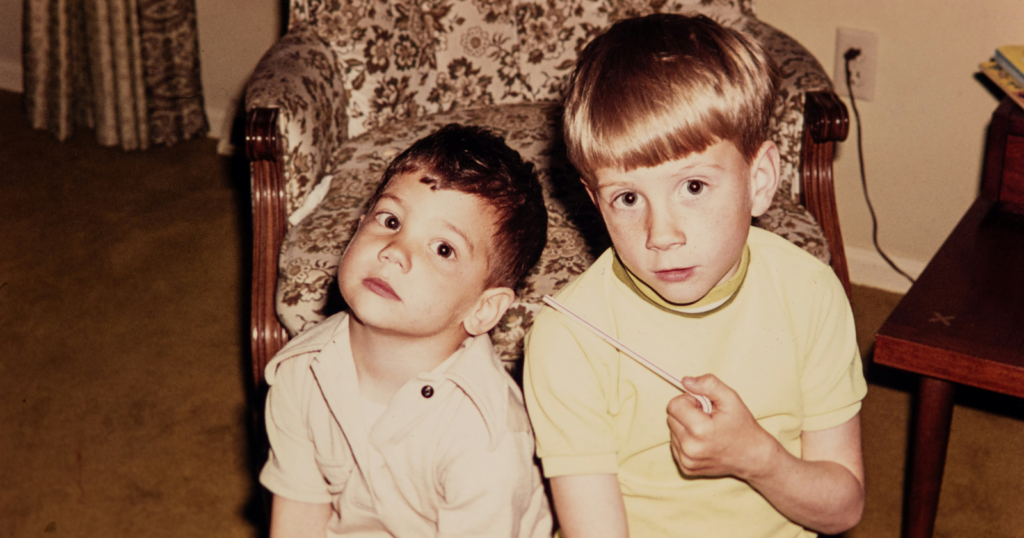
When people talk about why boomers seem so tough, stubborn, and unshakeable, they aren’t exaggerating.
The life experiences from the 60s and 70s forged them in ways most generations never experienced. I’ve heard these stories firsthand, and honestly, some of them still blow my mind.
This isn’t nostalgia for nostalgia’s sake. This is about how everyday life toughened an entire generation without safety nets, warning labels, or emotional cushioning. IMO, once you understand these experiences, a lot of boomer behavior suddenly makes sense.
1) Spending Entire Days Unsupervised Outdoors
Boomers didn’t grow up with playdates or hourly check-ins. They woke up, grabbed breakfast, and disappeared outside until dinner. Parents trusted kids to figure things out on their own, even when things went wrong.
That freedom forced kids to:
- Solve problems without adult help
- Handle conflicts face-to-face
- Assess risk on their own
Kids learned fast because consequences arrived immediately. That kind of independence built confidence that stuck for life.
2) Dealing With Physical Consequences Without Intervention
When boomers fell, scraped a knee, or broke something, adults didn’t rush in with panic. Kids learned to walk it off unless something truly serious happened. Pain taught lessons, not trauma responses.
That environment encouraged:
- High pain tolerance
- Personal accountability
- Mental resilience
I’ve heard countless “you’ll live” stories, and honestly, they worked. Those kids grew into adults who didn’t crumble under discomfort.
3) Having Three TV Channels and Being Bored Out of Our Minds
Boomers faced boredom like a brick wall. Television offered maybe three channels, and none of them catered to kids all day. When nothing good aired, boredom took over completely.
So what did they do?

- Invent games
- Read books
- Talk to actual people
Boredom trained creativity and patience. Today we fear boredom, but back then it built imagination and focus.
4) Working Genuinely Dangerous Jobs as Teenagers
Teenagers in the 60s and 70s didn’t “job shadow.” They worked real jobs with real risks. Farms, factories, construction sites, and workshops welcomed teens without hesitation.
Those jobs demanded:
- Physical toughness
- Respect for tools and machinery
- Responsibility for mistakes
No one hovered with safety speeches. Teens learned fast because mistakes carried consequences, and that reality hardened their work ethic early.
5) Experiencing Real Scarcity and Making Do With Less
Boomers grew up when scarcity felt normal. Families reused everything, repaired instead of replacing, and stretched meals creatively. Waste felt unacceptable, not trendy.
Scarcity taught them:
- Resourcefulness
- Financial discipline
- Gratitude for basics
I’ve watched boomers save screws, jars, and scraps, and now I understand why. Scarcity carved habits that never faded.
6) Living Without Immediate Access to Information or Help
When boomers needed answers, Google didn’t exist. Phones stayed attached to walls, and help didn’t arrive instantly. People relied on memory, neighbors, or trial and error.
That world rewarded:
- Critical thinking
- Self-reliance
- Decision-making confidence
FYI, once you learn to function without instant answers, panic loses its power. Boomers built that skill early.

7) Facing Real Social Rejection Without Digital Escape
Boomers couldn’t mute, block, or log out. If someone rejected you, that rejection followed you to school, work, or church. No digital escape softened the blow.
That reality taught:
- Emotional endurance
- Social adaptability
- Thick skin
They processed rejection internally instead of outsourcing comfort. That experience shaped adults who didn’t need constant reassurance.
8) Dealing With Authority Figures Who Had Absolute Power
Teachers, bosses, and parents ruled without debate. Authority didn’t negotiate, explain, or apologize often. Kids learned to respect rules quickly.
This environment developed:
- Discipline
- Boundary awareness
- Mental toughness
While modern systems encourage discussion, that older structure trained people to function under pressure without collapsing.
9) Growing Up Without Constant Emotional Validation
Boomers didn’t hear “your feelings are valid” every day. Adults expected kids to self-regulate emotions and move forward. Emotional processing happened quietly and internally.
That upbringing fostered:
- Emotional self-control
- Delayed gratification
- Inner resilience
This doesn’t mean boomers lacked feelings. It means they learned to manage emotions without external applause.
10) Living Through Genuine National Uncertainty and Crisis
Boomers grew up under Cold War threats, assassinations, protests, and economic shifts. News delivered hard realities without filters or disclaimers.

Living through that era built:
- Perspective
- Crisis tolerance
- Long-term thinking
They learned that fear didn’t stop life. People adapted, worked, and kept going despite uncertainty.
Why These Life Experiences Still Matter Today
When you stack these life experiences from the 60s and 70s, you see a clear pattern. Boomers didn’t toughen up because someone told them to. Life demanded toughness daily.
They learned:
- Self-reliance before comfort
- Responsibility before expression
- Resilience before reassurance
That mindset doesn’t always translate smoothly into today’s world, but it explains their durability.
Final Thoughts: Toughness Didn’t Happen by Accident
The toughest generation didn’t emerge randomly. The world shaped boomers through unsupervised freedom, scarcity, discomfort, and uncertainty. Every challenge forced growth instead of avoidance.
Next time a boomer shrugs off a problem that feels overwhelming, remember what trained them. Life didn’t cushion their fall, and they learned how to stand anyway. Honestly, there’s something powerful about that.
If nothing else, these stories remind us that resilience grows when life demands it—and sometimes boredom, discomfort, and struggle teach the best lessons.